Brain & Focus

  • Rhodiola

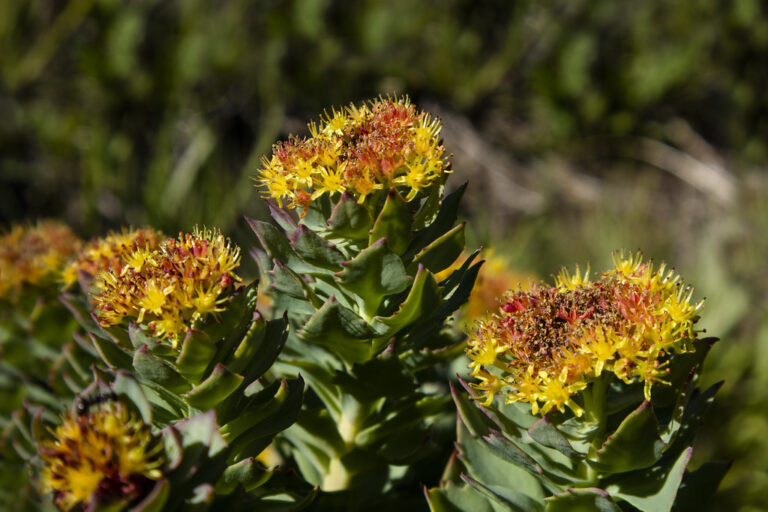
    Rhodiola is a hardy northern‑rooted herb traditionally used to support resilience to stress, reduce fatigue and support mental and physical stamina. Standardized root extracts (often checked for rosavins and salidroside) are used in supplements at commonly cited doses of 100–300 mg per day.

  • Red Vine

    Red Vine leaves and grape-derived parts are valued in herbal practice for circulation support and polyphenol-rich antioxidant effects. Traditionally used for venous tone and the sensation of heavy legs, preparations include infusions and standardized extracts. Individual responses vary; consult a health professional for guidance.
  • Ravintsara

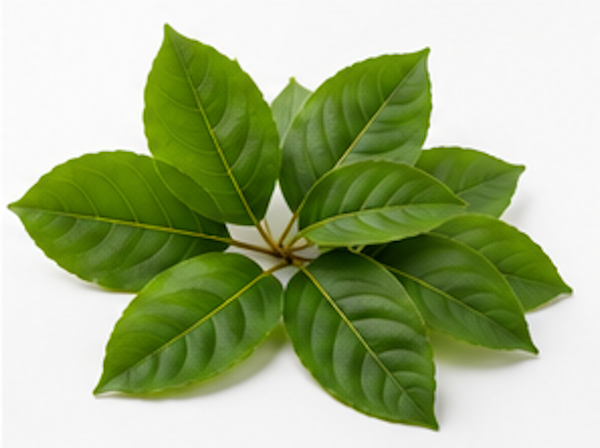
    Ravintsara essential oil is distilled from the leaves of a Madagascar laurel and is traditionally used for respiratory support and seasonal wellbeing. Its cineole‑rich aroma is prized in diffusion and topical blends for clearing airways and promoting relaxation, though individual effects vary.

  • Propolis

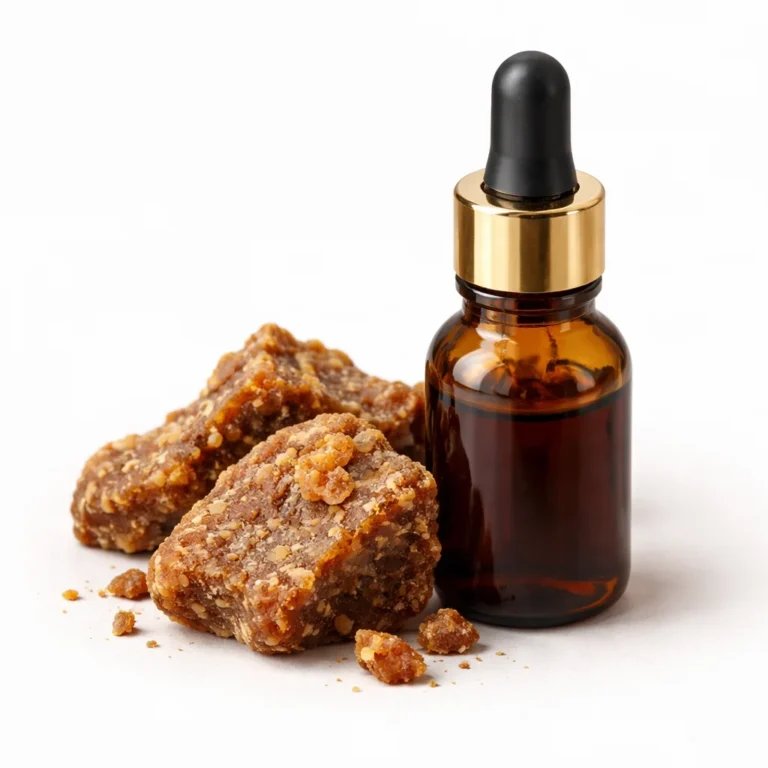
    Propolis is a resinous bee product valued for its antimicrobial and wound-supporting properties and is sold as tinctures, lozenges and supplements. It is rich in flavonoids and phenolic compounds and is commonly used for minor oral and skin concerns. Use may vary by individual.

  • Pau d’Arco

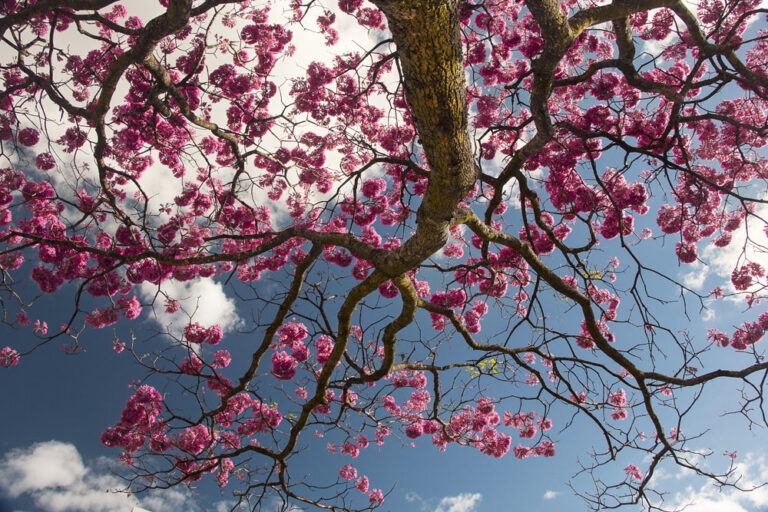
    A South American tree, Pau d’Arco’s inner bark has long been used in traditional medicine and is rich in naphthoquinones such as lapachol. It is most commonly used for its traditional antimicrobial and anti-inflammatory properties. Use and effects may vary; consult a professional before use.

  • Papaya

    Papaya is a tropical fruit high in fiber, vitamin C and provitamin A, used both as food and in traditional remedies. Fermented papaya preparations are noted for increased antioxidant content and interest for immune support. Individual responses vary and known allergies warrant caution.

  • Niaouli

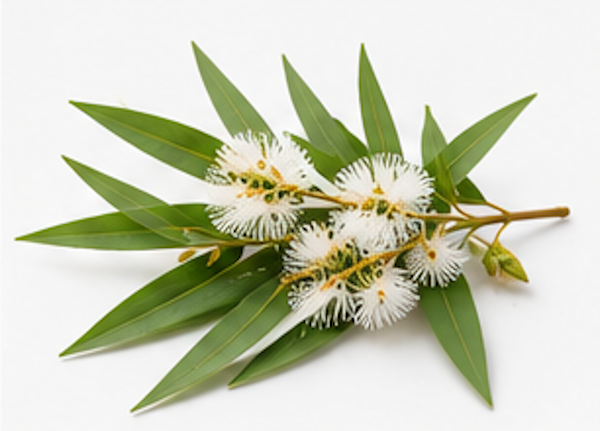
    Niaouli oil, distilled from the glossy five‑nerved leaves of Melaleuca quinquenervia, is valued in aromatherapy and topical preparations for its antiseptic and expectorant reputation. Traditional use includes skin support and respiratory applications, though individual responses and safety vary. Precautions apply for several at‑risk groups.

  • Muira Puama

    An Amazonian shrub used traditionally as a restorative tonic, muira puama’s bark and root are employed in tinctures and extracts for antifatigue and aphrodisiac uses, and is used globally in small doses in various formulations, often appearing in modern supplements. Limited clinical studies suggest possible benefits for sexual function, but individual responses vary.

  • Mugwort

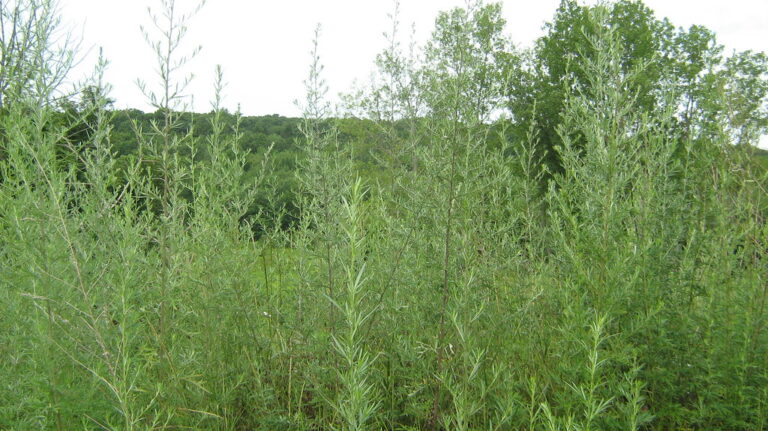
    Mugwort is a perennial Asteraceae herb traditionally used widely for migraine prevention and to ease painful menstruation, with dried flowers and fresh leaves used in preparations. Parthenolide is the main active constituent targeted in supplements. Responses and tolerability vary among individuals.

  • Maitake

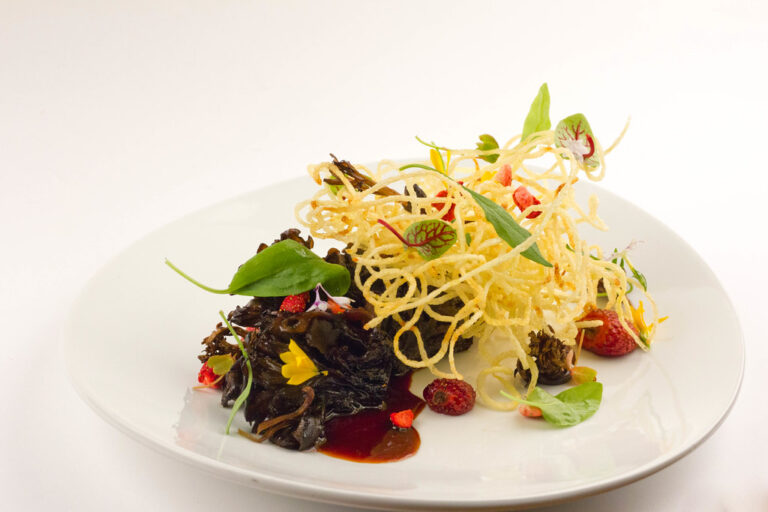
    Clustered polypore prized in Japanese and Chinese tradition, Maitake is used culinary and as a supplement rich in beta‑glucans with research interest for immune and metabolic support. Studies focus on its D/MD beta‑glucan fractions and reported effects on immune activity and glucose regulation.

  • Lutein

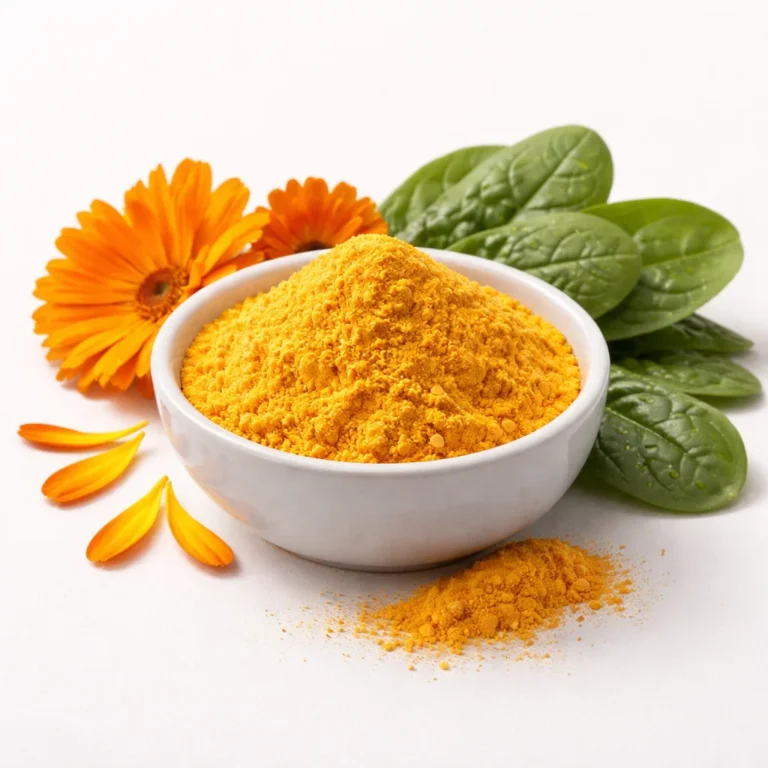
    Lutein is a yellow-orange carotenoid concentrated in the macula, obtained from dark leafy greens, corn and eggs. Supplemental lutein is associated with macular pigment support, blue-light filtering and antioxidant protection for the retina. Individual responses vary; consult a professional for personal advice.

  • L-Citrulline

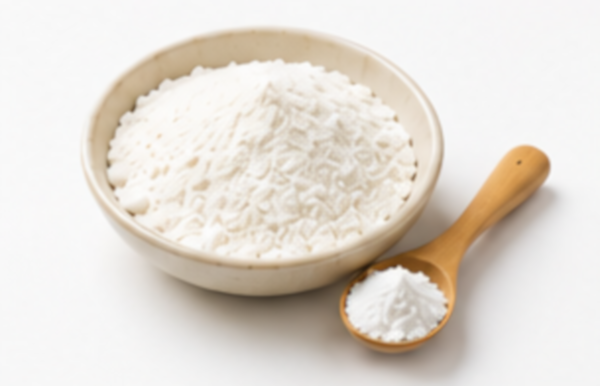
    L-Citrulline is a naturally occurring amino acid found in watermelon and produced in the small intestine that supports muscle metabolism, vascular function, and brain metabolic processes when used as a supplement. Typical supplemental doses range from 3 to 5 grams taken orally, often before exercise.