Essential Oil

  • Wintergreen

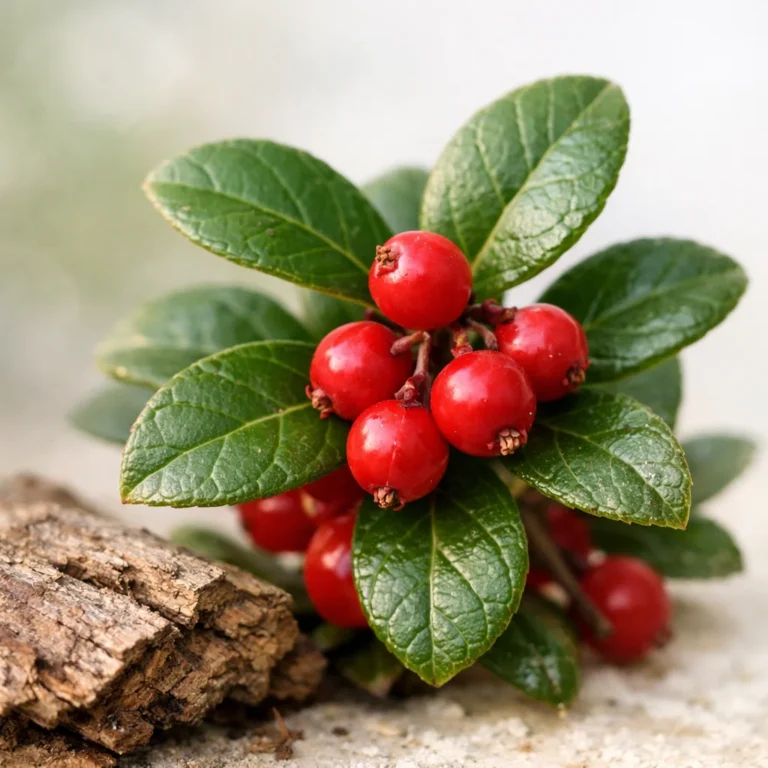
    Wintergreen’s aromatic leaves produce an essential oil rich in methyl salicylate, traditionally used in topical preparations for muscle and joint discomfort. Apply diluted for external use only and avoid use during pregnancy, breastfeeding and in young children; consult a healthcare professional if taking blood-thinning medications.
  • White Sandalwood

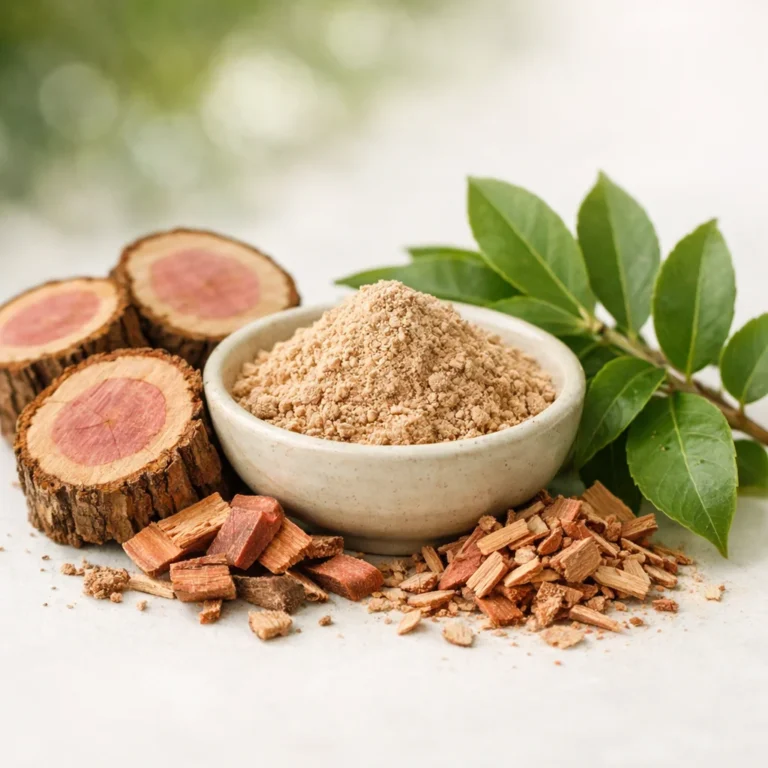
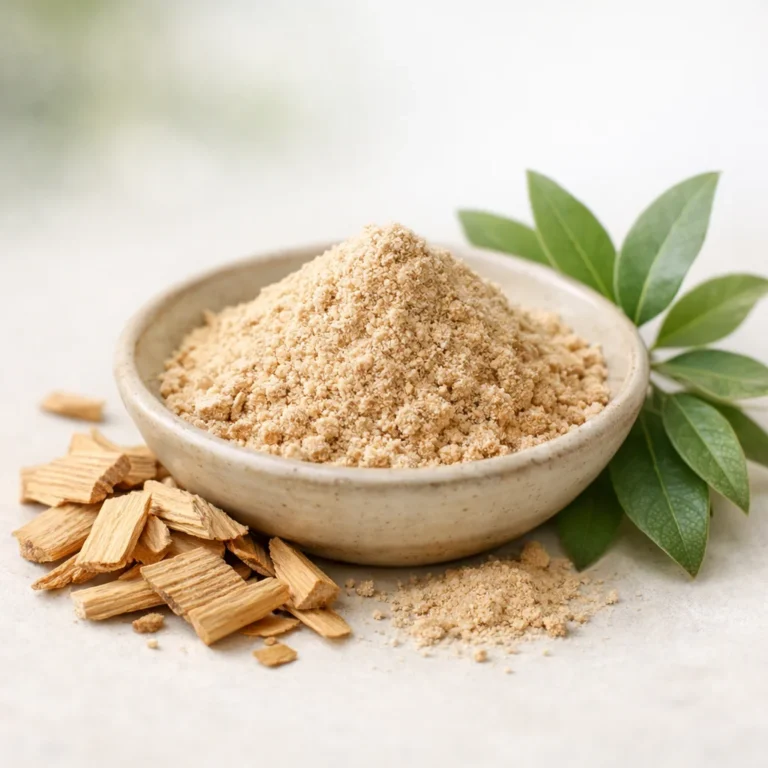
    White Sandalwood is an aromatic hemiparasitic tree valued for its pale heartwood, aromatic oil and resin used in perfumery, incense and topical preparations. Its oil is rich in alpha- and beta-santalol and is associated with traditional antiseptic and skin-supporting uses. Wild populations have been historically overharvested.

  • Sweet Orange

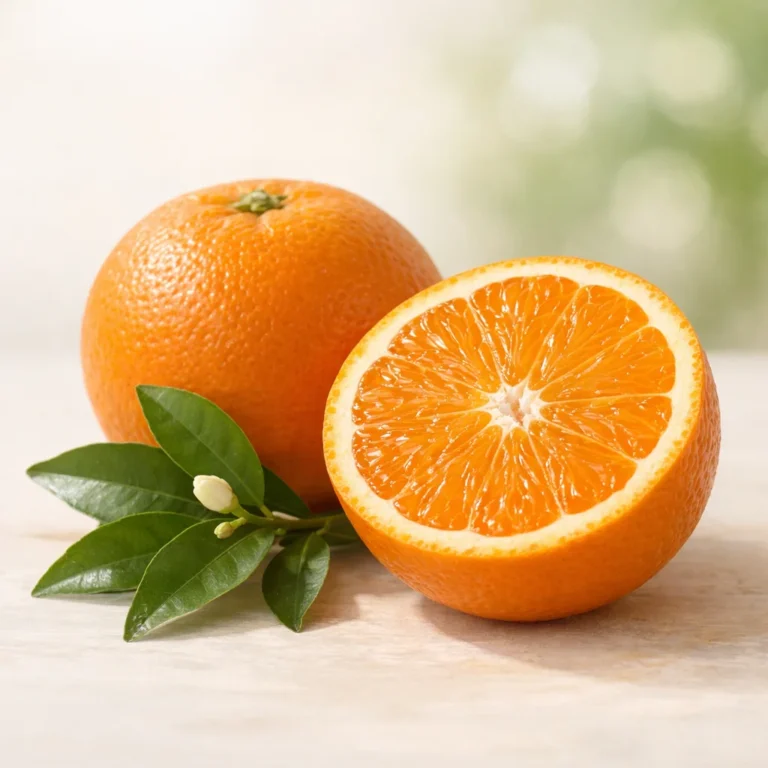
    Sweet Orange provides a sweet, vitamin C–rich fruit and a limonene‑rich peel oil used in aromatherapy and gentle topical or diluted oral preparations. The essential oil is prized for its citrus aroma and traditional use to promote relaxation and digestive comfort.

  • Spike Lavender

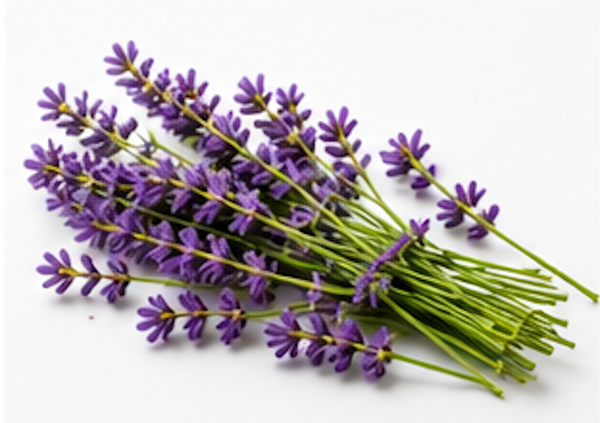
    Spike Lavender produces a camphoraceous essential oil from its flowering tops, traditionally used for minor skin injuries, burns and insect bites. Its oil is high in 1,8‑cineole, linalool and camphor and is used topically after dilution. Use varies by individual and safety precautions apply.

  • Rosewood

    Rosewood produces a fragrant essential oil distilled from heartwood and is widely used in perfumery, aromatherapy and topical skincare. Its floral-woody oil is valued for skin-soothing and calming aromatic qualities. Wild stocks have been overexploited, so sustainable sourcing and conservation are increasingly emphasized.

  • Ravintsara

    Ravintsara essential oil is distilled from the leaves of a Madagascar laurel and is traditionally used for respiratory support and seasonal wellbeing. Its cineole‑rich aroma is prized in diffusion and topical blends for clearing airways and promoting relaxation, though individual effects vary.

  • Niaouli

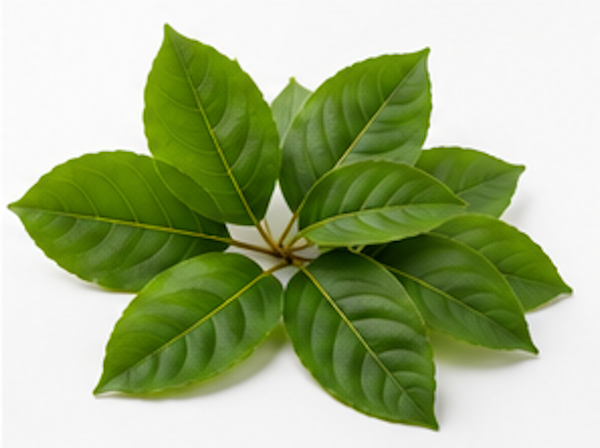
    Niaouli oil, distilled from the glossy five‑nerved leaves of Melaleuca quinquenervia, is valued in aromatherapy and topical preparations for its antiseptic and expectorant reputation. Traditional use includes skin support and respiratory applications, though individual responses and safety vary. Precautions apply for several at‑risk groups.

  • Lemon Eucalyptus

    Lemon Eucalyptus yields a lemon-scented essential oil from its leaves, widely prized for its insect-repellent properties and topical uses in aromatic and massage preparations. Research highlights its effectiveness as a natural mosquito repellent, while individual responses and safety considerations vary.

  • Eucalyptus Radiata

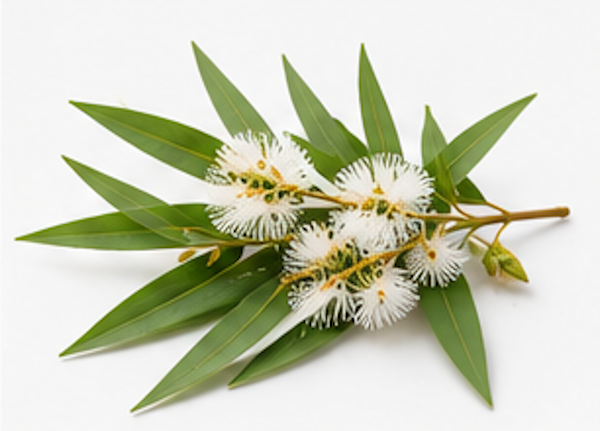
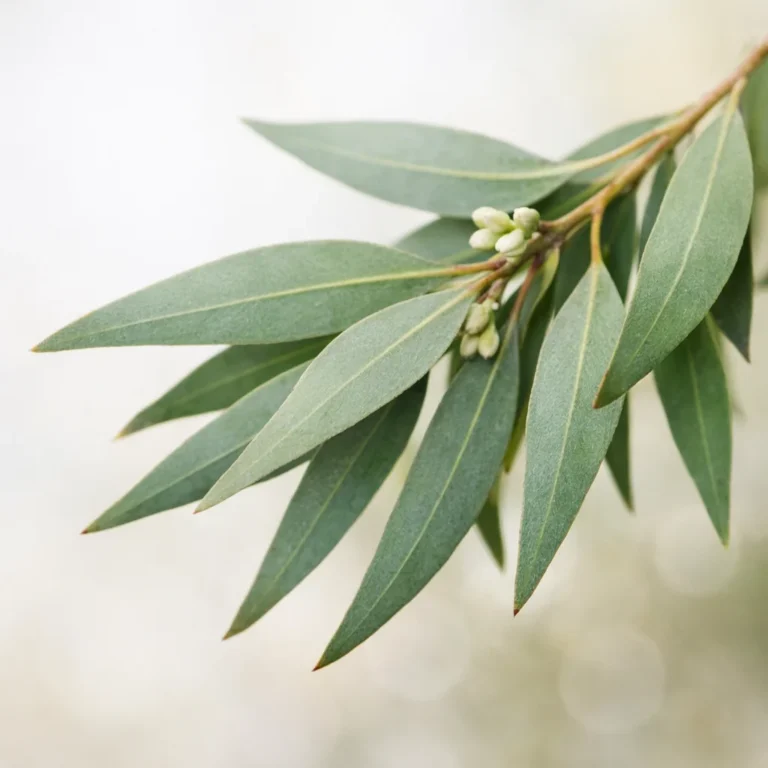
    Eucalyptus Radiata yields a clear, slightly sweet essential oil distilled from leaves and used in aromatic and topical preparations for respiratory and skin concerns. Its leaf-derived oil is prized for a high 1,8‑cineole profile and versatile aromatic uses. Uses and effects vary by individual; follow safety guidance.

  • Eucalyptus Globulus

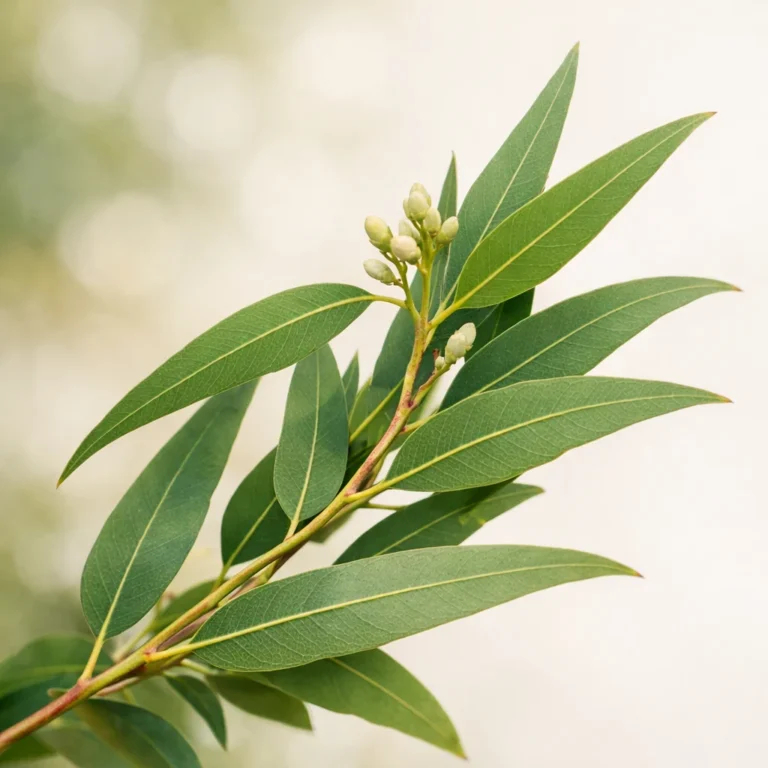
    Eucalyptus globulus yields a potent leaf oil and an herbal infusion traditionally used to ease respiratory discomfort and freshen indoor air. The essential oil is dominated by 1,8‑cineole and should be used diluted and with caution in pregnancy, lactation and young children.

  • Cypress

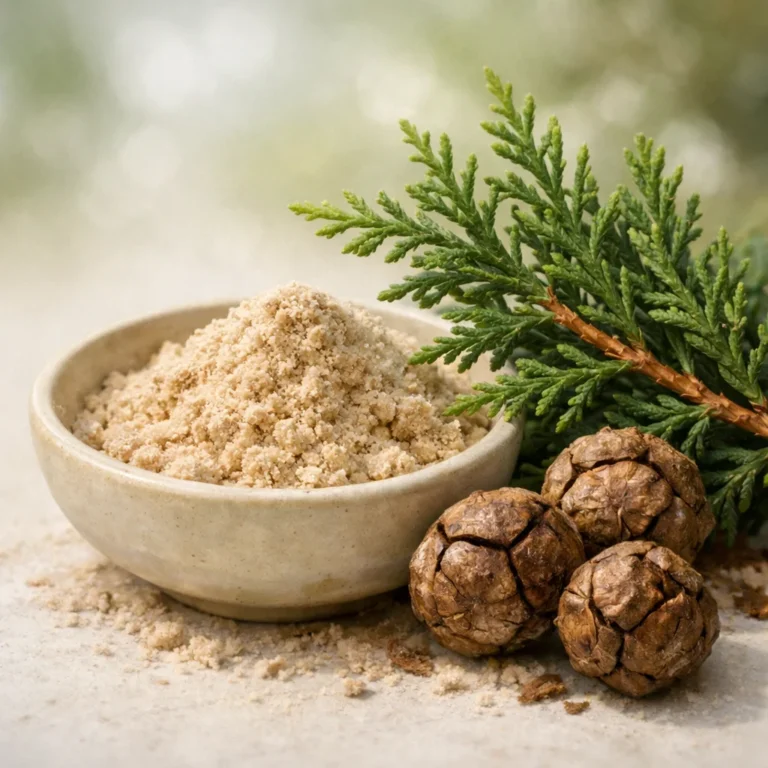
    Cypress is an evergreen Mediterranean tree whose green cones and essential oil are used in supplements and aromatherapy for circulatory and antimicrobial applications. Cones contain tannins, flavonoids and terpenes that are the focus of traditional use and research. Effects vary by individual.

  • Clary Sage

    Clary sage (Salvia sclarea) yields a fragrant essential oil from flowering tops used traditionally for relaxation, menstrual and menopausal support, and topical applications. Its oil is rich in linalyl acetate and is commonly used diluted for massage or inhalation. Individual responses vary.