Sleep & Relaxation

  • Passionflower

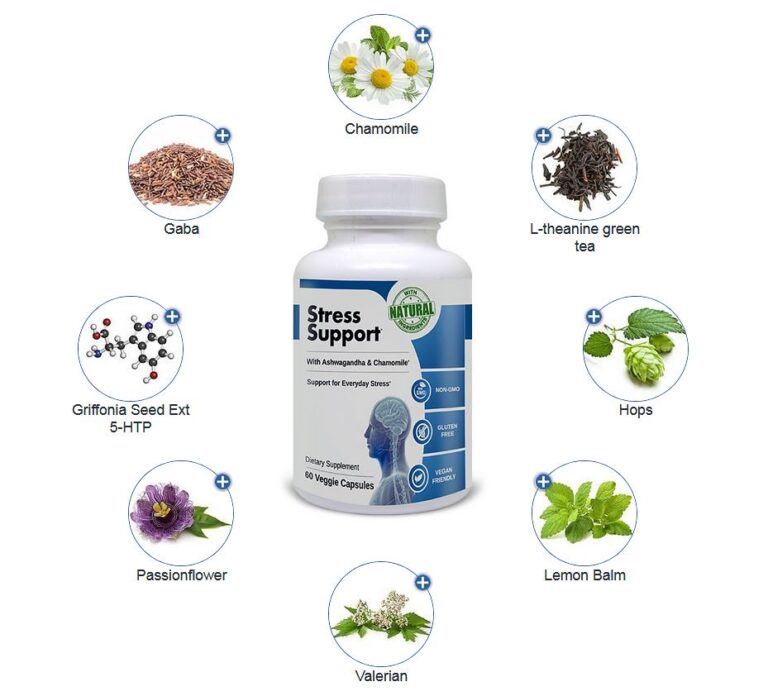
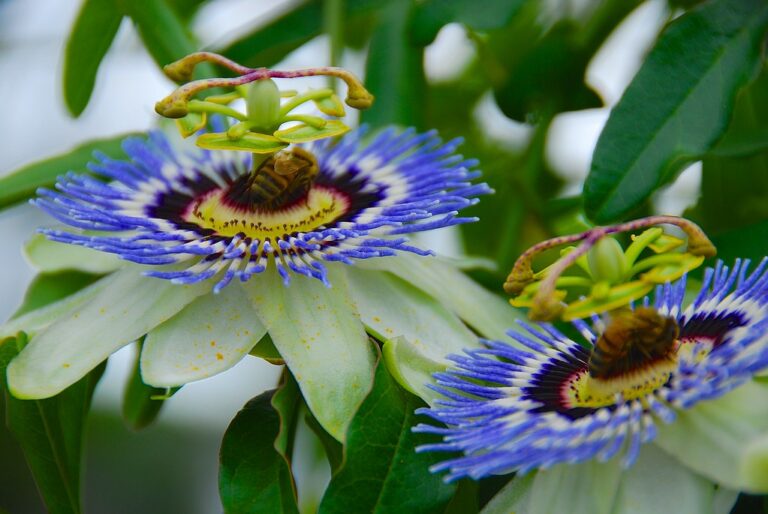
    Passionflower is a climbing vine whose leaves and flowers have long been used to calm nervous tension and support sleep. Traditional and preliminary clinical data suggest potential calming and sedative effects, though individual responses vary. It is commonly taken as an infusion, extract or capsule.
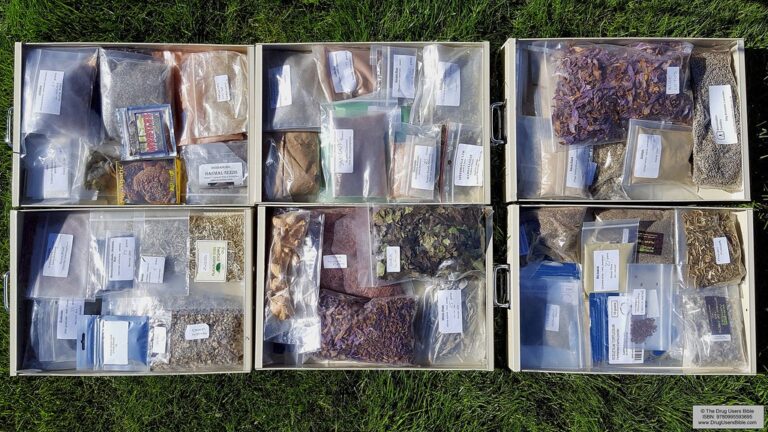
  • Passion Fruit

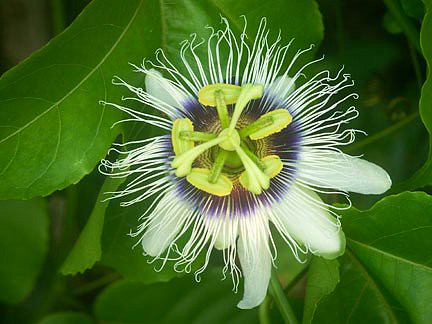
    Passion Fruit is a tropical vine valued for its aromatic pulp and traditionally used leaves. Extracts are noted for flavonoids, glycosides and harmane alkaloids that relate to relaxation and antioxidant activity. Traditional use and some research suggest it may support mild anxiety relief and sleep quality.

  • Mulungu

    Mulungu is a South American Erythrina tree used traditionally for calming the nervous system and supporting restful sleep. It is valued for sedative and anxiolytic effects attributed to erythrina alkaloids and flavonoids, though individual responses and safety data are limited.

  • Melatonin

    Melatonin supplements are synthetic versions of the hormone produced by the pineal gland and are used to influence sleep timing and circadian alignment. Careful timing and dosing can shift sleep phase, but responses vary between individuals. Side effects and drug interactions are reported; consult a clinician.

  • Lemon Verbena

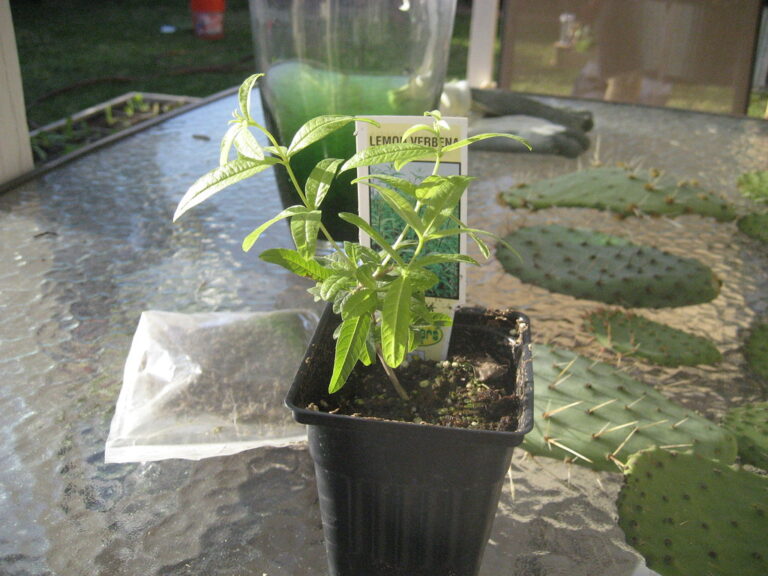
    Lemon Verbena’s pale-yellow essential oil, distilled from berries and leaves, is prized for its bright lemon aroma and aromatic uses in perfumery and aromatherapy. Its scent is traditionally used to promote relaxation and to help purify indoor air. Use effects vary by individual.

  • Lemon Balm

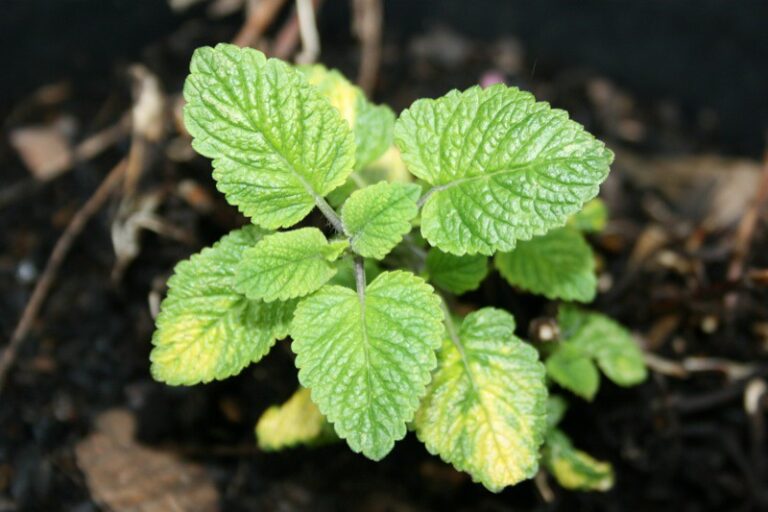
    Lemon balm is an aromatic perennial traditionally used for nervous tension and digestive discomfort, available as teas, extracts and topical products. Leaves are rich in rosmarinic acid and essential oils linked to calming and antioxidant effects. Individual responses vary; follow product instructions.

  • Hops

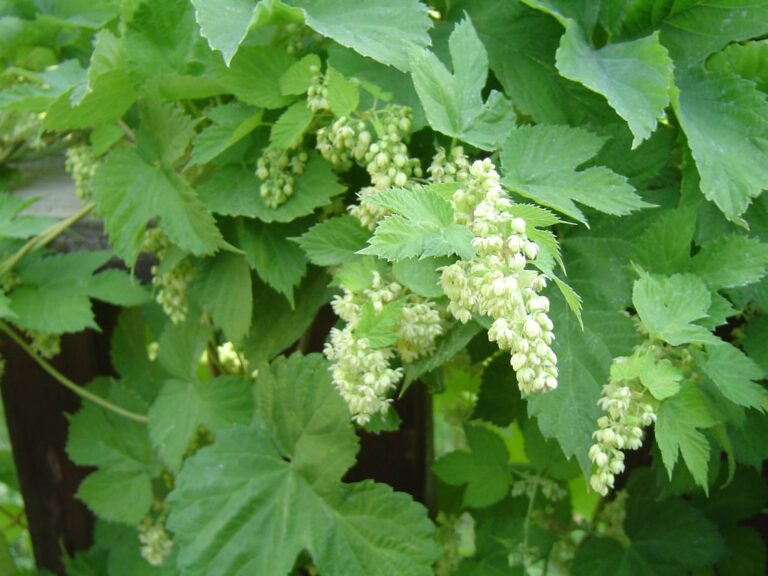
    Hops is a climbing perennial best known for brewing but also used in herbal practice for mild sedation, sleep support and digestive complaints. Its lupulin-rich female inflorescences are the part most commonly used in supplements. Effects vary by individual; consult a professional for safety.

  • Hawthorn

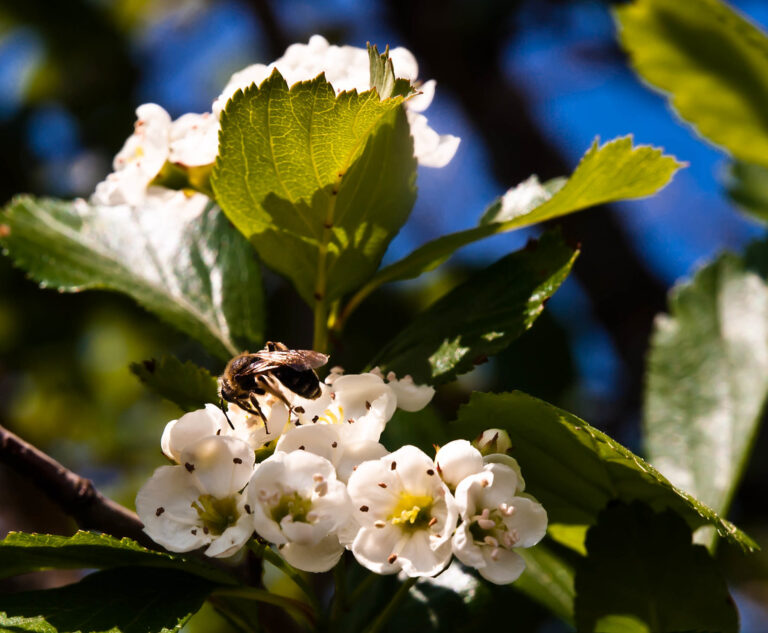
    Hawthorn is a spiny shrub whose aromatic flowers and flowering tops are used in herbal preparations for calming effects and traditional cardiovascular support. Its extracts are rich in flavonoids and proanthocyanidins and individual responses can vary, so follow label guidance and seek professional advice when needed.

  • Griffonia

    Griffonia simplicifolia seeds are a concentrated natural source of 5‑HTP used traditionally in West and Central Africa and now processed into standardized extracts and supplements for sleep and mood-related support. May help regulate sleep cycles and support mood in some people, but individual responses and risks vary.

  • GABA

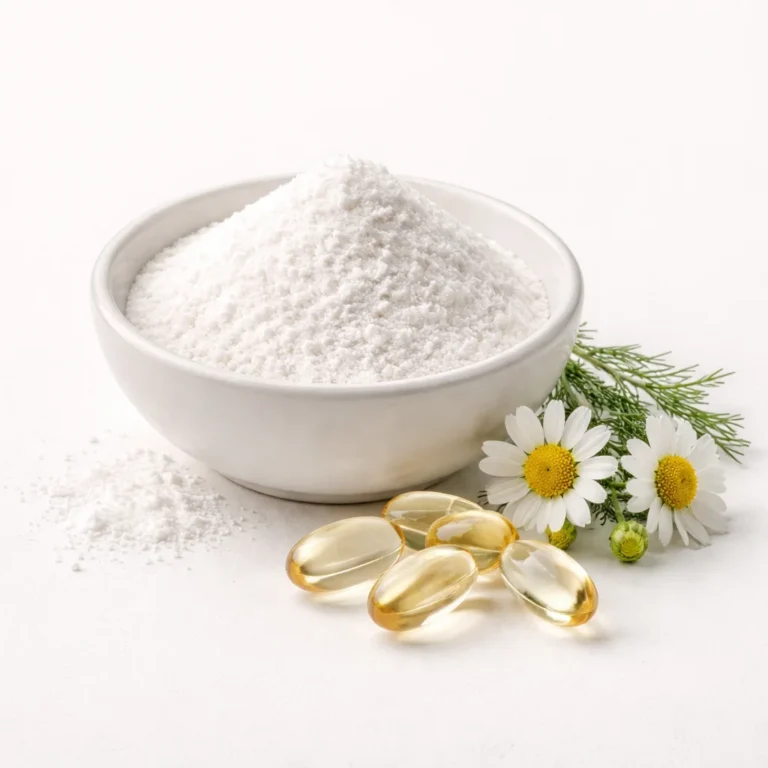
    GABA is an endogenous amino acid and the brain’s main inhibitory neurotransmitter, associated with relaxation, stress regulation and support for sleep onset. Supplemental GABA is used by some people to promote calm and help with falling asleep, though responses vary. Typical adult doses range from 250–750 mg daily.

  • Dolomite

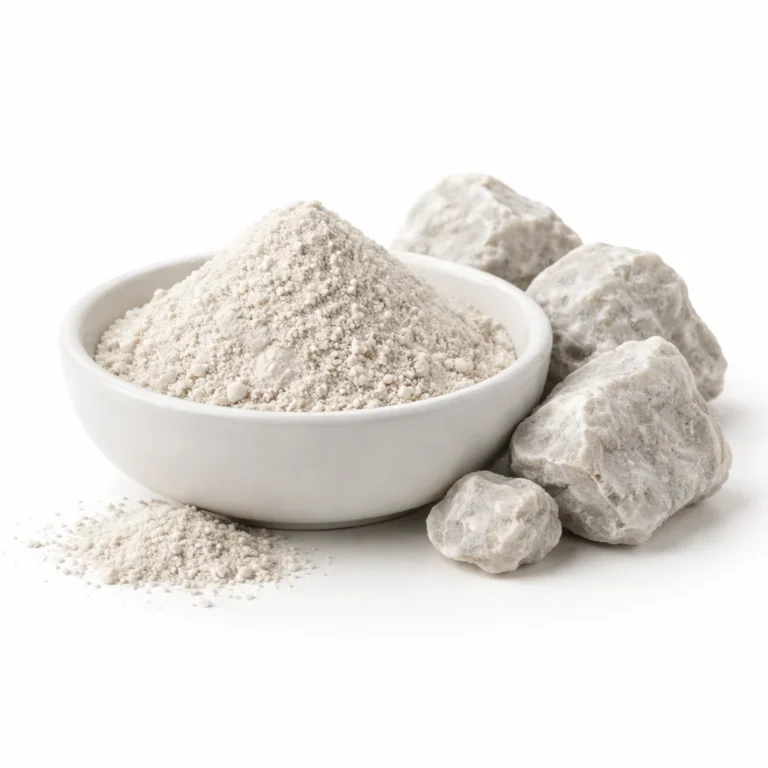
    Micronized dolomite powder supplies calcium and magnesium as dietary minerals and is promoted as a remineralizer for people with low mineral intake. Some users report reduced fatigue and improved sleep, but effects vary and tolerability depends on product purity and dose.

  • Clary Sage

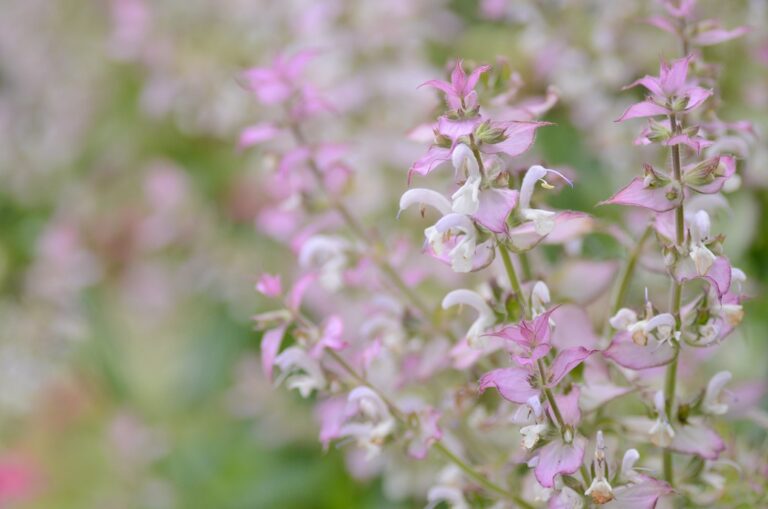
    Clary sage (Salvia sclarea) yields a fragrant essential oil from flowering tops used traditionally for relaxation, menstrual and menopausal support, and topical applications. Its oil is rich in linalyl acetate and is commonly used diluted for massage or inhalation. Individual responses vary.