Digestion & Gut Health

  • Psyllium

    Psyllium is a mucilaginous seed used to regulate bowel consistency and support regularity, valued for its water‑absorbing soluble fibre. Individual responses vary and adequate fluid intake is essential. It can ease both constipation and loose stools by forming a gentle gel in the gut.
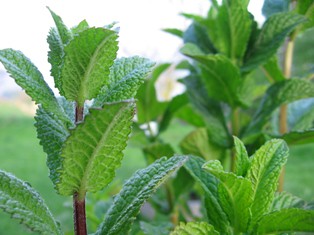
  • Peppermint

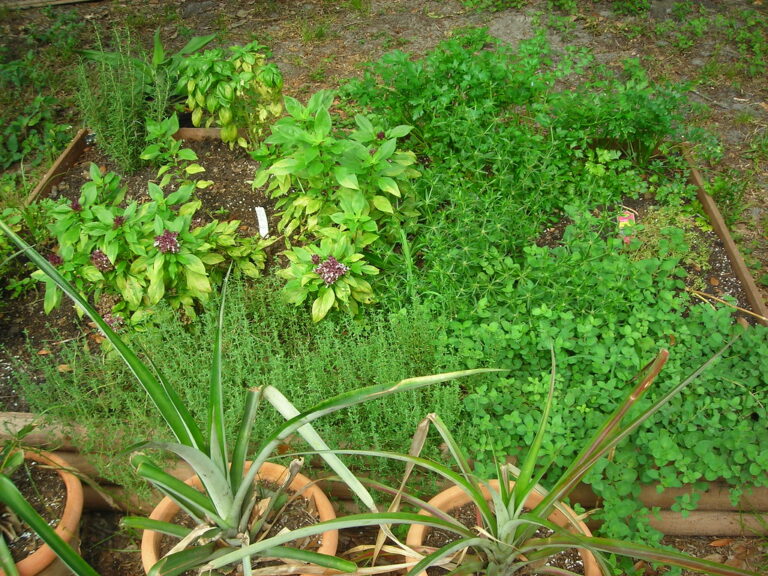
    Peppermint offers a menthol-rich aroma from its aerial parts and is commonly used in aromatherapy and herbal preparations for digestive comfort and topical cooling. Use varies by individual and concentrated essential oil requires careful dosing and precautions. Consult a professional for personal advice.

  • Prickly Pear

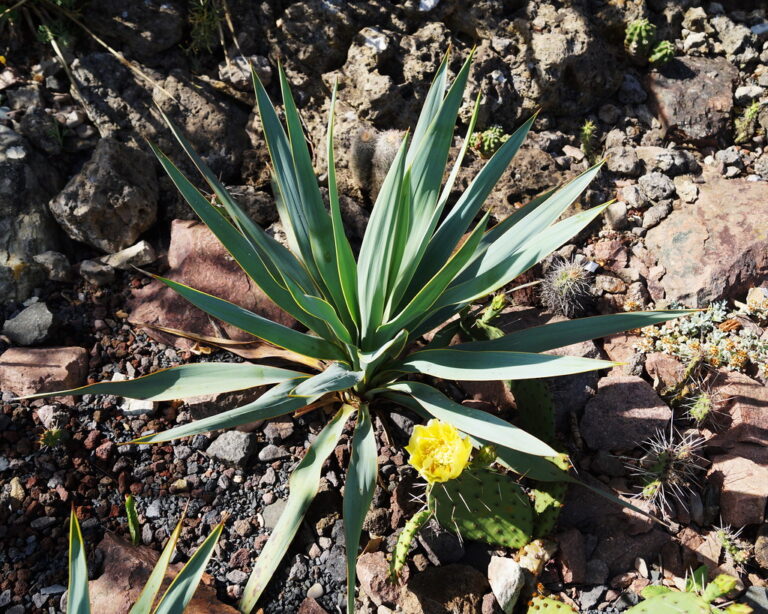
    Prickly Pear is a cactus used as food and in supplements for pads and fruits valued for soluble fibers and antioxidant pigments. The pads are commonly used in powdered or extract forms to help reduce fat and sugar absorption and to increase meal satiety. Effects vary by individual.

  • Pineapple

    Pineapple is a tropical fruit valued for its enzyme-rich stem and immature fruit, traditionally used in digestion and post‑traumatic swelling care. Bromelain-based preparations are researched for digestive support and reducing edema, though individual responses vary. Allergic reactions and gastrointestinal upset have been reported.

  • Papaya

    Papaya is a tropical fruit high in fiber, vitamin C and provitamin A, used both as food and in traditional remedies. Fermented papaya preparations are noted for increased antioxidant content and interest for immune support. Individual responses vary and known allergies warrant caution.

  • Nettle

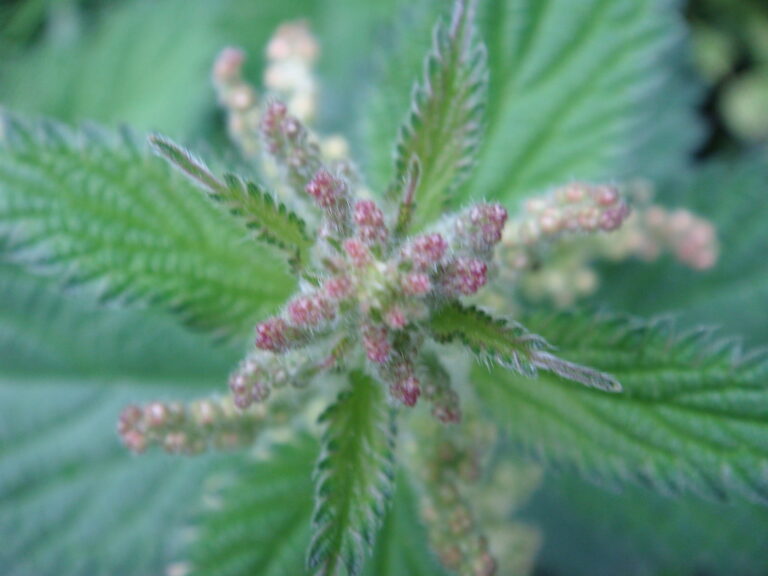
    Nettle is a nutrient-rich herb used for centuries for its remineralising, diuretic and depurative qualities. Leaves and roots supply minerals, vitamins and flavonoids in tinctures, infusions and powders. Effects vary by individual, and it may support general vitality when taken appropriately; consult a healthcare professional for personalised advice.

  • Mullein

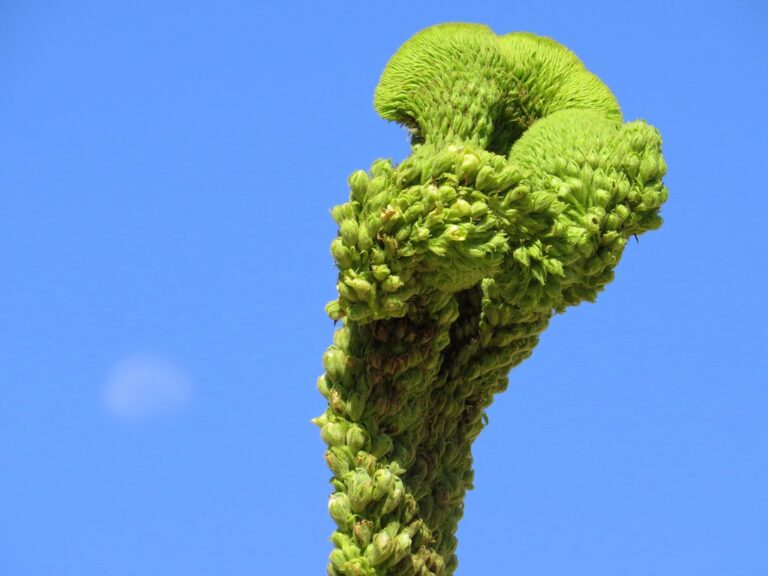
    Mullein is a woolly biennial herb used traditionally to soothe respiratory irritation and digestive discomfort. Leaves and flowers are prized for mucilage-rich, emollient preparations used for coughs and throat irritation. Effects and tolerability may vary by individual; consult a healthcare professional if unsure.

  • Meadowsweet

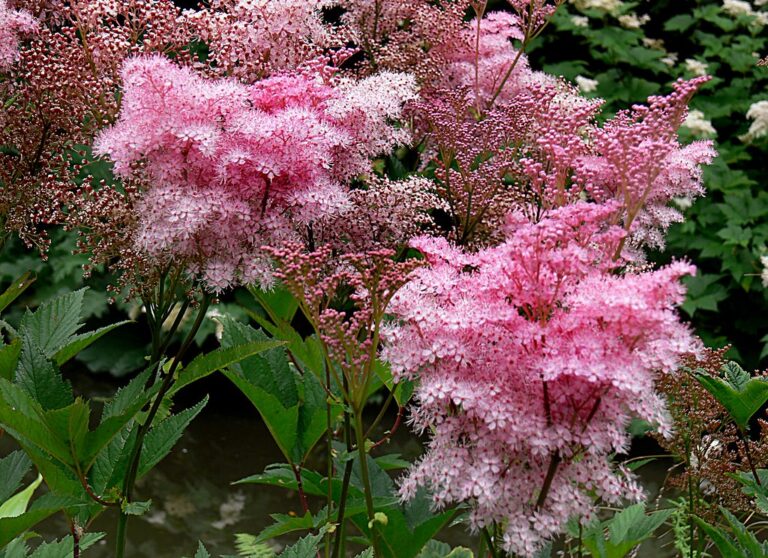
    Meadowsweet is a fragrant wetland herb traditionally used for inflammatory discomfort, fluid retention and gastric protection. Its flowers contain salicylate derivatives, tannins and flavonoids and are commonly used in infusions, extracts and tinctures. Effects vary by individual and interactions are possible with blood‑thinning medications.

  • Maytenus

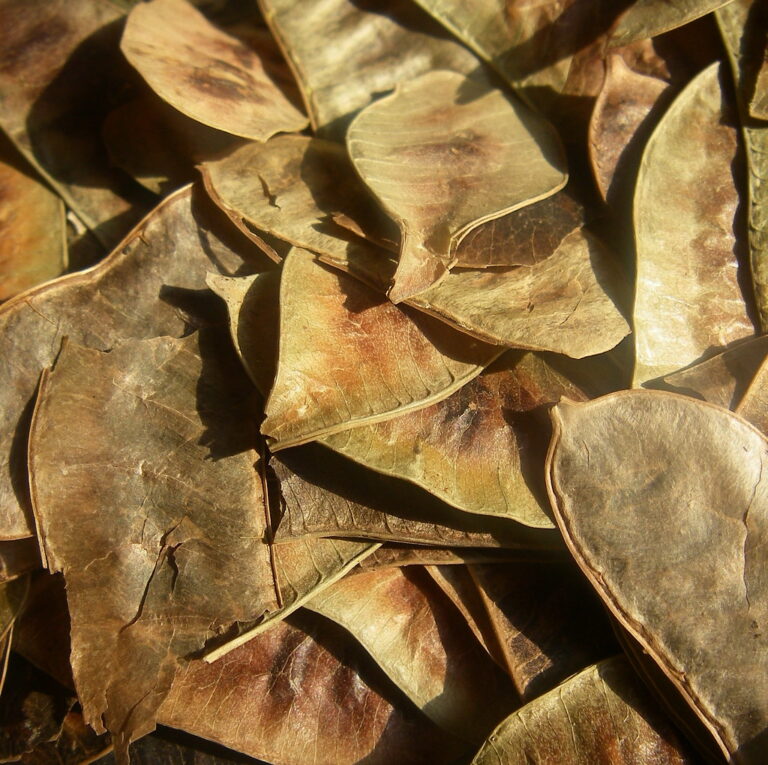
    Maytenus ilicifolia leaves are traditionally used in South America for digestive comfort and gastric protection. Available as infusions, powders and capsules, preparations contain flavonoids, triterpenes and other phytochemicals; effects vary and product composition differs between extracts. Consult a healthcare professional for individual advice.

  • Lithothamnium

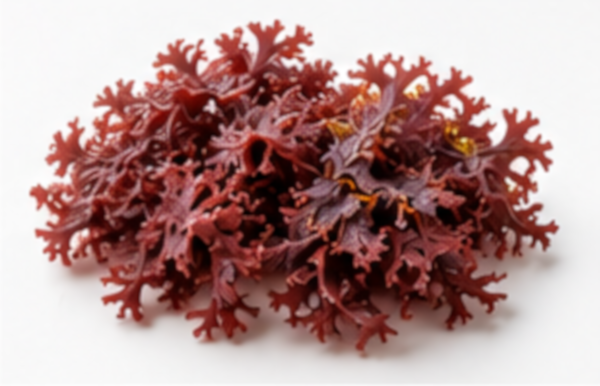
    Lithothamnium is a calcified red alga prized for its mineral-rich, coral-like nodules and use in supplements to supply calcium and magnesium. It is commonly processed into a white powder used for remineralizing and antacid purposes. Individual responses vary; consult a professional when needed.

  • Licorice

    Sweet-tasting root used in confections and herbal preparations, licorice has a long history in European, Middle Eastern and Asian traditions. Its root contains glycyrrhizin and other constituents linked to digestive comfort and respiratory soothing. Effects vary by individual; precautions apply for prolonged use.

  • Linden Sapwood

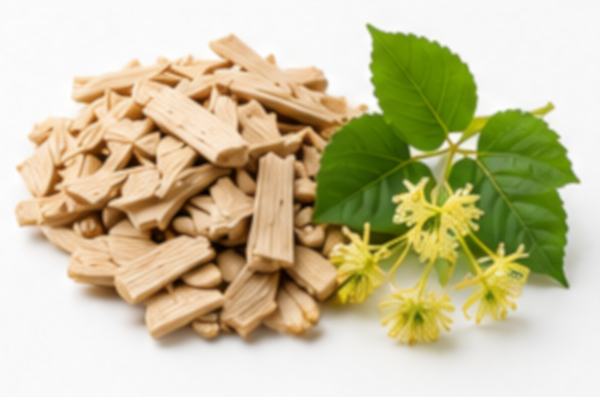
    Linden Sapwood is the pale inner wood of Tilia species traditionally used in Europe as a depurative to support liver, urinary and digestive wellbeing. It is supplied as powders and extracts containing phenolic acids, coumarins and tannins. Evidence is limited and effects vary among individuals.