
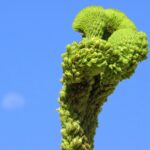
Mullein
A mucilage-rich herb traditionally used to soothe the respiratory tract.
Mullein (Verbascum spp.) is a woolly, biennial herb with tall flowering spikes and yellow blossoms, long used in European and traditional pharmacopeias. Rich in mucilage, saponins and flavonoids, it is valued for emollient and expectorant properties traditionally applied to respiratory irritation and for soothing digestive discomfort; uses and effects may vary by individual and clinical evidence varies.
Leaves, flowers and roots are the parts most commonly employed and are available as infusions, extracts, capsules or tinctures. Traditional preparations include a flower infusion (about 2 g dried flowers per cup, steep 15 minutes) and standardized leaf extracts; formulations and dosing differ by product, so follow label instructions and consult a healthcare professional when appropriate.
At a Glance
A woolly biennial herb with dense basal leaves and tall yellow flower spikes, Mullein has a long history of traditional use for respiratory and digestive soothing preparations. Leaves, flowers and roots are rich in mucilage, saponins and flavonoids that contribute to emollient and expectorant properties. Uses and effects may vary by individual.
| Common name |
|
|---|---|
| Scientific name |
|
| Plant family | Scrophulariaceae |
| Origin |
|
| Parts used |
|
| Active compounds |
|
| Main benefits |
|
| Available forms |
|
Origin & History
Mullein (Verbascum spp.) is native to Europe, North Africa and North America and typically grows in sunny, well‑drained, often calcareous soils such as meadows, roadsides and disturbed ground. It is a woolly, biennial plant that forms a basal rosette in its first year and produces tall spikes of yellow flowers in its second year.
Use of mullein is recorded since antiquity and was noted by classical and later European herbalists for a range of practical preparations. Hippocrates prescribed mullein for its medicinal virtues. In later traditions the flowers were used as a yellow dye for hair and, in the Middle Ages, stems and dried leaves were sometimes employed as torches; the botanical name derives from the Latin barbascum, a reference to the plant’s shaggy appearance. Cultural uses and preparations vary regionally.
Composition & Active Compounds
Mullein is a woolly biennial plant with a basal rosette of fuzzy leaves and tall stems that bear yellow flowers; leaves, flowers and roots are the parts most commonly used in herbal preparations. Chemically, the plant is notable for abundant mucilage alongside flavonoids, saponins, iridoids, harpagosides and a small amount of essential oil, constituents traditionally associated with emollient, expectorant and anti-inflammatory uses; effects vary by individual.
Mucilage is the most notable constituent and underpins the plant’s traditional emollient and protective properties in preparations made from leaves and flowers.
- Mucilage: viscous polysaccharides that swell with water to form a gelatinous, soothing layer.
- Flavonoids: polyphenolic compounds present as flavonoid glycosides with antioxidant activity.
- Saponins: glycosides that contribute to surface‑active properties traditionally linked to expectoration.
- Iridoids: bitter glycosides associated with anti‑inflammatory and antispasmodic effects in herbal literature.
- Harpagosides: specific iridoid glycosides found in extracts.
- Essential oil: volatile compounds present in small amounts, contributing to aroma.
Related Herbs
Properties & Effects
Mullein is traditionally used as a gentle herbal remedy for respiratory irritation and to soothe certain digestive complaints.
Its most widely reported use is as a soothing, emollient support for the respiratory tract and coughs.
- Calming (respiratory): Traditionally used to help calm the airways and relieve irritation in the throat and chest; effects may vary by individual.
- Antitussive/Expectorant: May support reduction of cough discomfort and help loosen bronchial secretions to aid expectoration.
- Antibacterial: Research suggests components may have antibacterial activity that could contribute to traditional use for minor respiratory infections.
- Anti-inflammatory (digestive): Traditionally used to soothe inflammatory digestive discomfort and reduce intestinal spasms.
Dosage & How to Use
Typical recommended doses for adjunctive pulmonary or digestive use are listed below.
| Adjunctive pulmonary or digestive use |
|
|---|
Safety, Side Effects & Contraindications
Use of mullein requires caution in specific groups: it is not recommended during pregnancy or lactation and is contraindicated in children under twelve; individuals with chronic health conditions or those taking prescription medicines should consult a healthcare professional before use. Adhere to product directions and do not extend use beyond recommended durations.
No adverse reactions have been reported to date in the provided information, but limited clinical data mean that uncommon side effects or interactions cannot be ruled out; discontinue use and seek medical advice if signs of hypersensitivity or unexpected symptoms occur.
- Pregnancy and lactation: not recommended for use during pregnancy or while breastfeeding due to limited clinical data.
- Children under 12 years: contraindicated.
- Duration limit: do not exceed one week of use.
Not recommended during pregnancy or lactation and contraindicated in children under 12; consult a healthcare professional before use, especially if you have a medical condition or take medications.