Herb

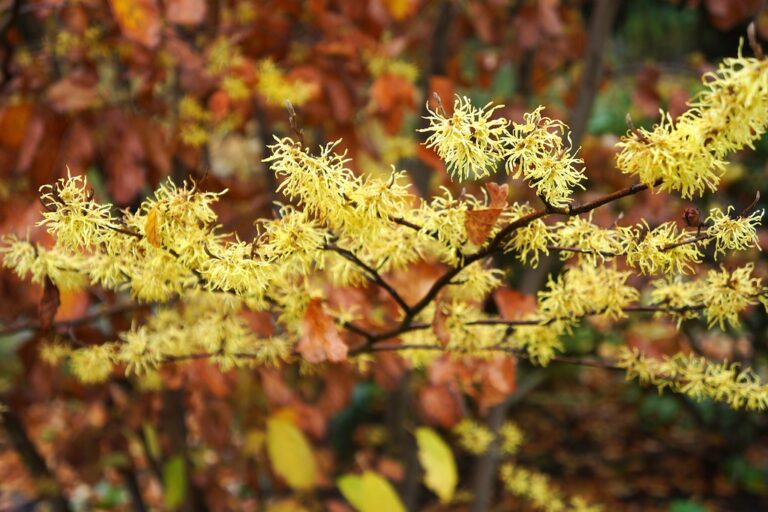
  • Witch Hazel

    Witch Hazel is a tannin‑rich shrub whose leaf and bark extracts are widely used as a topical astringent and venous tonic. Traditional and contemporary preparations are applied for minor skin irritations and to support microcirculation in superficial veins. Individual responses vary and adverse effects are uncommon.
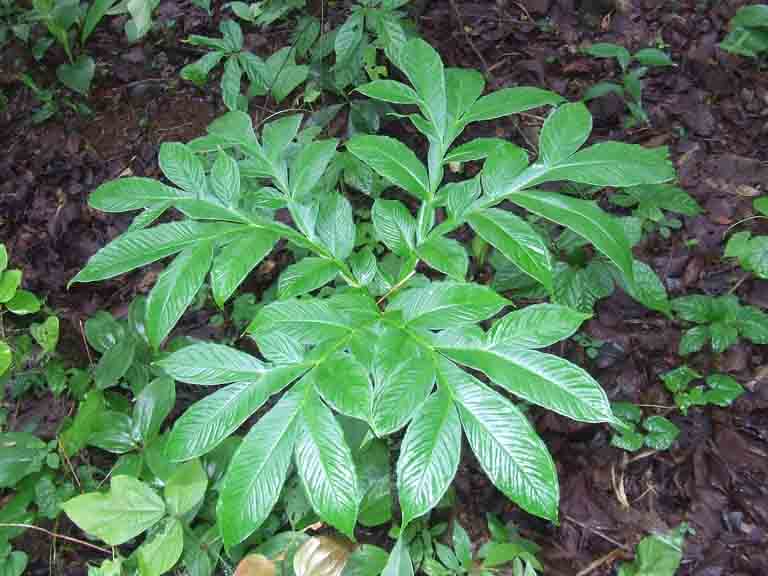
  • Yam

    Yam (Dioscorea villosa) is a climbing vine whose dried rhizome is used in traditional American herbalism for hormone-related and musculoskeletal complaints. Its rhizome contains diosgenin, a plant precursor historically linked to steroid hormone synthesis. Individual responses vary; consult a professional before use.

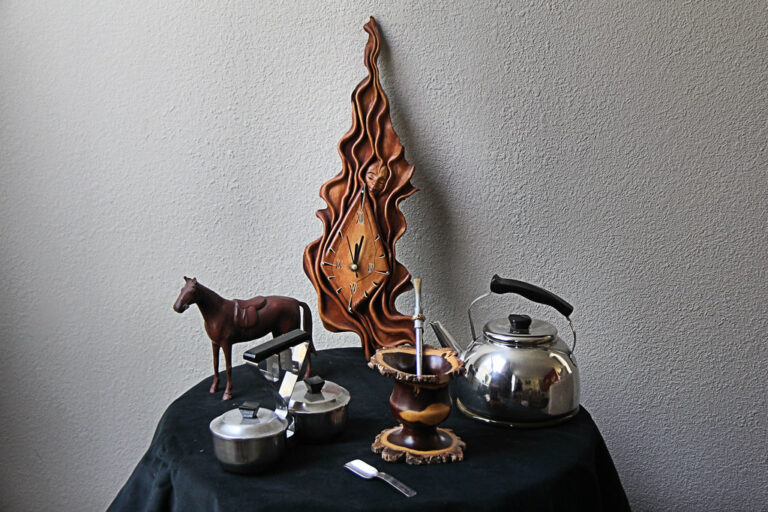
  • Yerba Mate

    Yerba Mate is a South American leaf infusion prized for stimulant and diuretic effects and used traditionally to reduce fatigue and support weight-management efforts. Its activity is largely linked to caffeine and other leaf constituents, and individual responses and tolerability can vary.

  • White Willow

    White Willow is a Mediterranean shrub whose dried berries are used in herbal preparations and contain labdane diterpenes, iridoids and flavonoids studied for effects on reproductive hormones. It is commonly used in herbal practice for supporting menstrual cycle regulation and relief of premenstrual symptoms, with effects varying by individual.

  • Wild Pansy

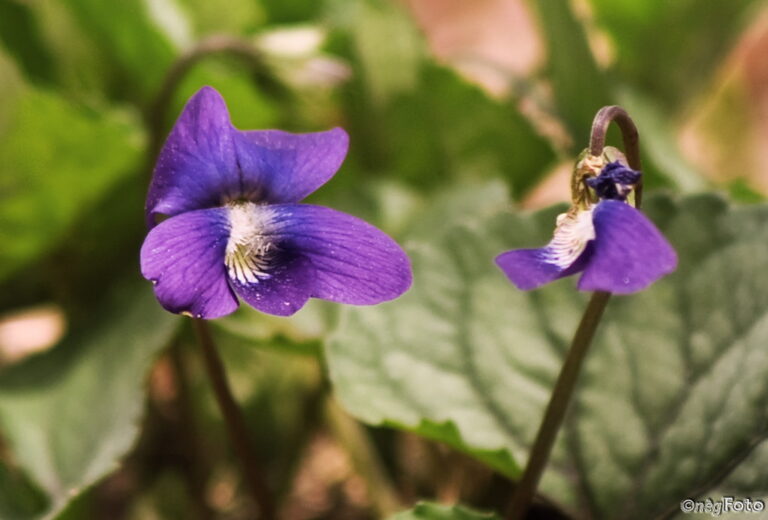
    Wild Pansy offers dried tricolour flowers used in herbal infusions and supplements for traditional detoxifying and anti‑inflammatory uses. Notable constituents include salicylic acid, flavonoids and tannins linked to these traditional effects. Ask a healthcare provider before use, especially if taking blood‑pressure medication.

  • White Horehound

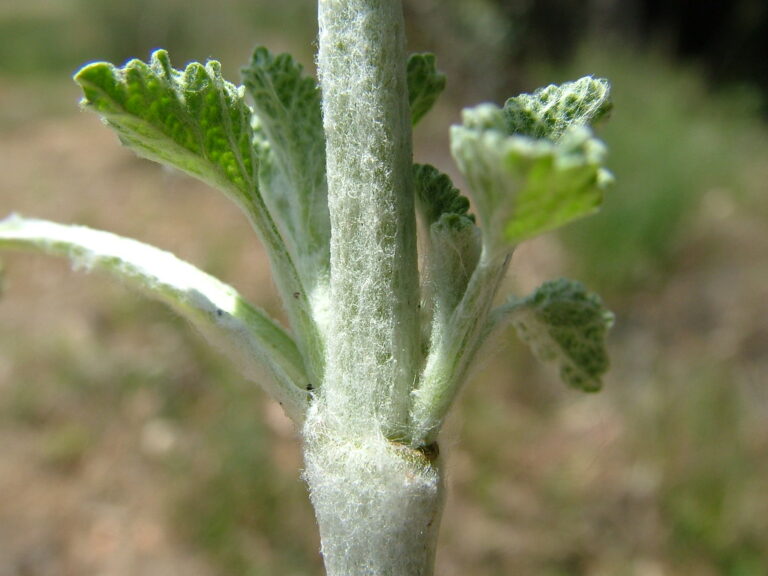
    White Horehound is a bitter, woolly perennial used in traditional European herbalism for respiratory support and circulatory health. It is most commonly prepared from flowering tops as infusions or standardized capsules to support expectoration and mucolytic action. Use and response may vary between individuals.

  • Tribulus

    Tribulus terrestris is a low-growing herb used across Mediterranean and Asian traditions for urinary, reproductive and tonic uses. Supplements typically use fruits and leaves standardized for saponins and flavonoids. Uses and responses vary between individuals; consult a professional if you have health conditions or are taking medication.

  • St. John’s Wort

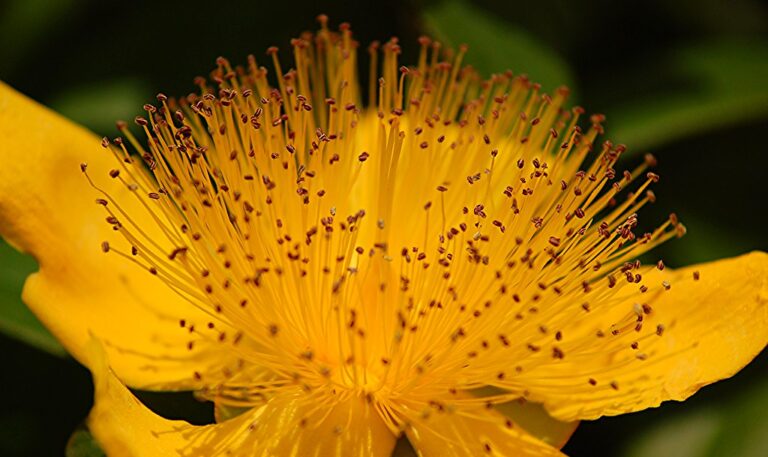
    St. John’s Wort is a flowering herb traditionally used for low mood and certain menopausal complaints, and its oil macerate is applied topically for minor wounds and burns. Clinical studies support benefits for mild to moderate depressive symptoms in some people, but responses vary individually.

  • Sage

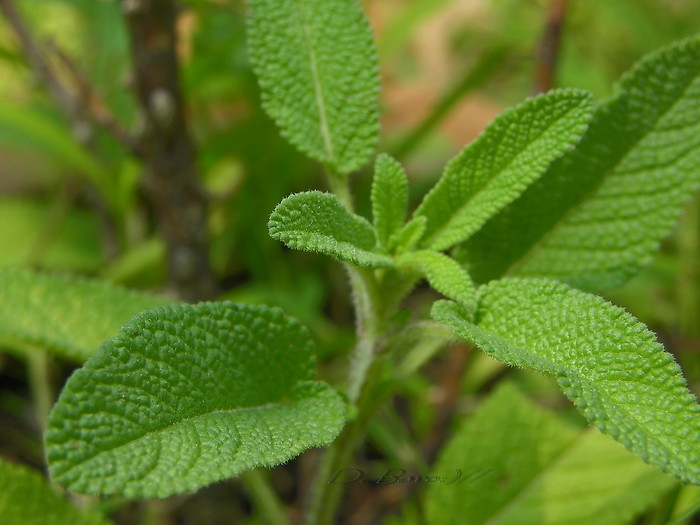
    Sage is an aromatic Mediterranean herb used for centuries for its tonic, antioxidant and anti-infectious qualities, with leaves and flowers commonly used in herbal preparations. It is also studied for relaxing, anxiolytic effects and for relieving certain menstrual and menopausal symptoms.

  • Saw Palmetto

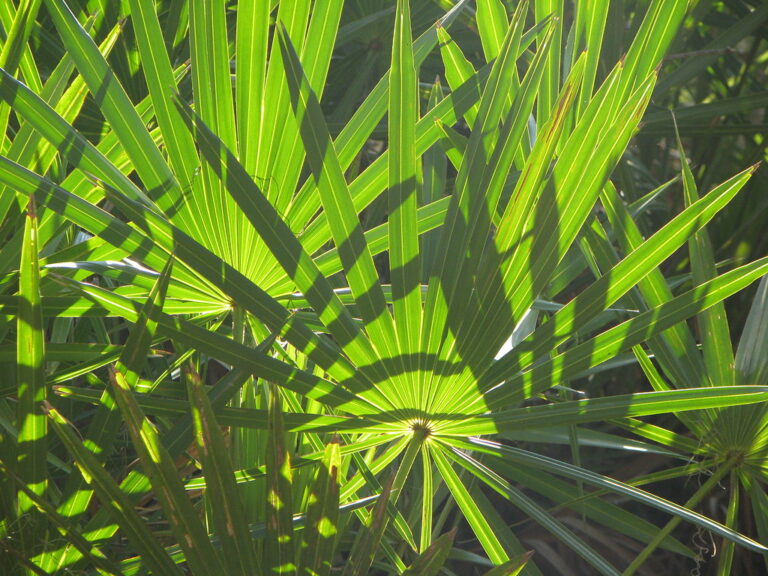
    A small coastal palm, saw palmetto yields dried drupes used in supplements for urinary and androgen‑related concerns. Some studies report support for lower urinary tract symptoms and androgen‑related hair issues; common dosing is about 160 mg twice daily, and side effects are generally mild though individual responses vary.

  • Saffron

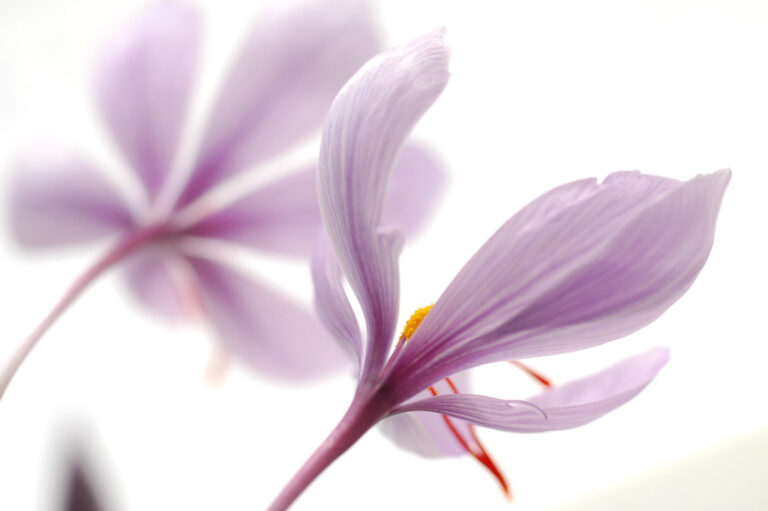
    Saffron’s dried red stigmas are prized for color, aroma and traditional therapeutic uses across cultures. Harvested by hand, the spice contains crocin, crocetin, picrocrocin and safranal linked to mood, antioxidant and anti-inflammatory effects. Individual responses vary; follow recommended doses and precautions.

  • Rhodiola

    Rhodiola is a hardy northern‑rooted herb traditionally used to support resilience to stress, reduce fatigue and support mental and physical stamina. Standardized root extracts (often checked for rosavins and salidroside) are used in supplements at commonly cited doses of 100–300 mg per day.