Herb

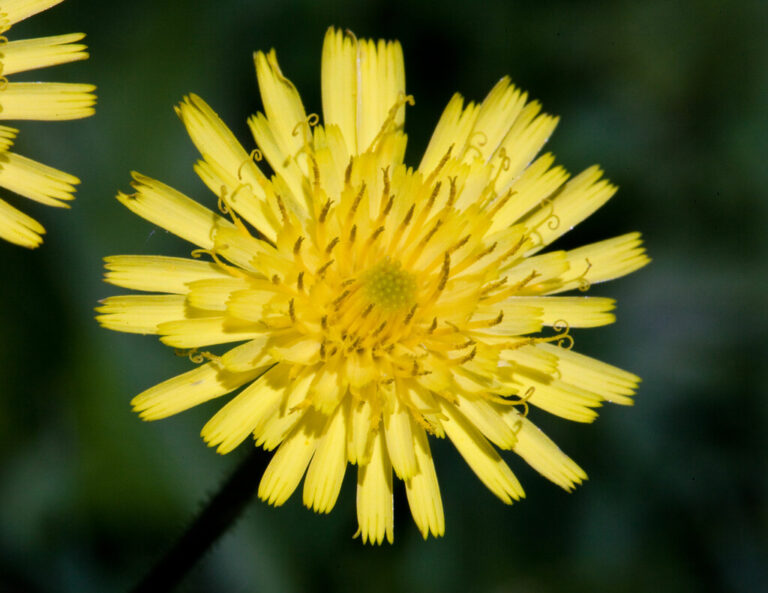
  • Mouse-ear Hawkweed

    Mouse-ear Hawkweed is a low-growing herb used traditionally for mild urinary complaints and to support fluid balance. It is valued as a diuretic and contains flavonoids, phenolics and other plant constituents linked to antioxidant and antibacterial activity. Caution is advised for certain groups.
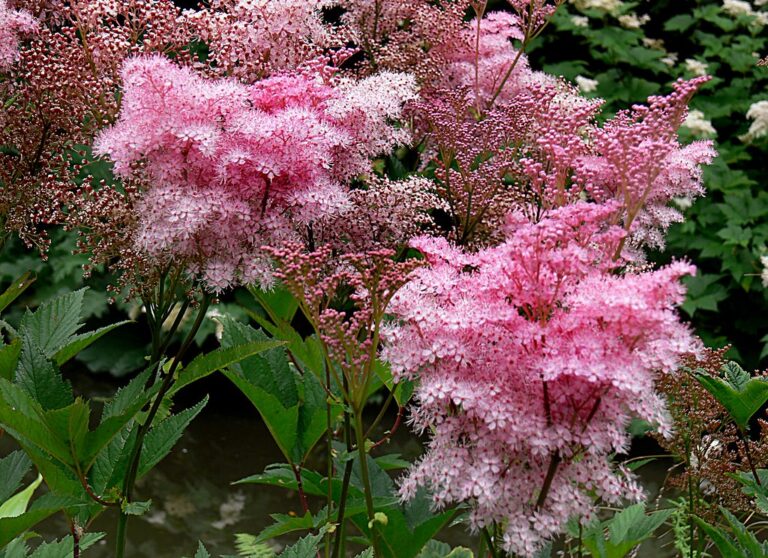

  • Meadowsweet

    Meadowsweet is a fragrant wetland herb traditionally used for inflammatory discomfort, fluid retention and gastric protection. Its flowers contain salicylate derivatives, tannins and flavonoids and are commonly used in infusions, extracts and tinctures. Effects vary by individual and interactions are possible with blood‑thinning medications.

  • Maytenus

    Maytenus ilicifolia leaves are traditionally used in South America for digestive comfort and gastric protection. Available as infusions, powders and capsules, preparations contain flavonoids, triterpenes and other phytochemicals; effects vary and product composition differs between extracts. Consult a healthcare professional for individual advice.

  • Maca

    Maca is a high‑altitude Peruvian root traditionally used as a nutritive staple and vigor‑promoting remedy, commonly consumed dried or as powder and capsules. Research has examined effects on libido, sperm parameters and menopausal symptoms, but individual responses vary and evidence is mixed.

  • Lemon Verbena

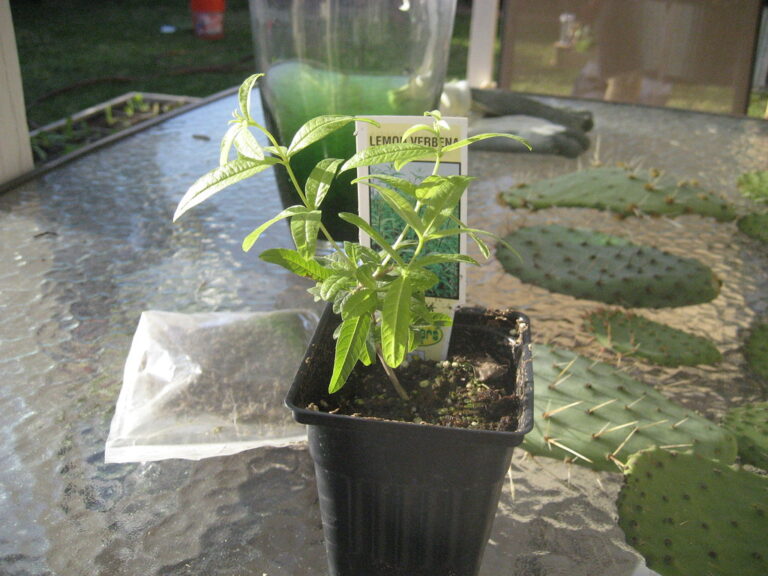
    Lemon Verbena’s pale-yellow essential oil, distilled from berries and leaves, is prized for its bright lemon aroma and aromatic uses in perfumery and aromatherapy. Its scent is traditionally used to promote relaxation and to help purify indoor air. Use effects vary by individual.

  • Licorice

    Sweet-tasting root used in confections and herbal preparations, licorice has a long history in European, Middle Eastern and Asian traditions. Its root contains glycyrrhizin and other constituents linked to digestive comfort and respiratory soothing. Effects vary by individual; precautions apply for prolonged use.

  • Linden Sapwood

    Linden Sapwood is the pale inner wood of Tilia species traditionally used in Europe as a depurative to support liver, urinary and digestive wellbeing. It is supplied as powders and extracts containing phenolic acids, coumarins and tannins. Evidence is limited and effects vary among individuals.

  • Lemon Balm

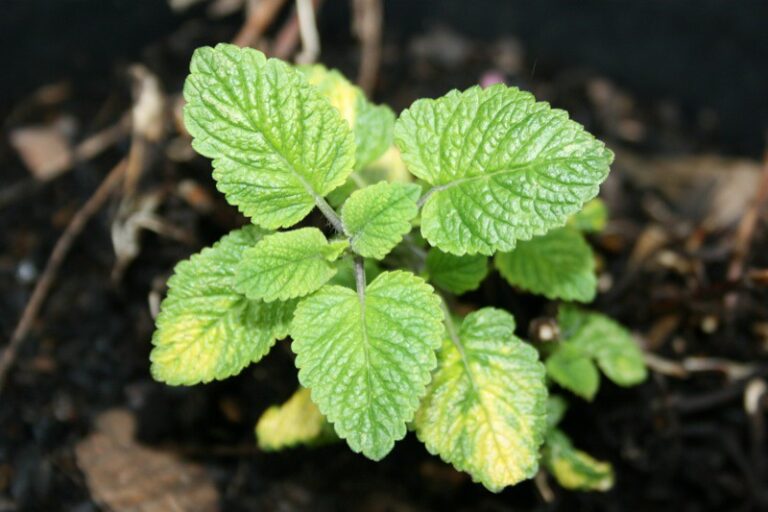
    Lemon balm is an aromatic perennial traditionally used for nervous tension and digestive discomfort, available as teas, extracts and topical products. Leaves are rich in rosmarinic acid and essential oils linked to calming and antioxidant effects. Individual responses vary; follow product instructions.

  • Kudzu

    Kudzu (Pueraria montana) is an East Asian climbing legume used for its starchy root and flavonoid-rich leaves and flowers in culinary and traditional remedies. Research suggests kudzu extracts may support antioxidant activity and have been studied for effects on alcohol and tobacco cravings, though individual responses vary.

  • Kola Nut

    An African seed long chewed to relieve fatigue and enhance alertness, kola nut is now supplied as powdered extract in capsules and tablets. Its dried seed contains caffeine alongside tannins and polyphenols and is noted for stimulant and antioxidant activity. Effects and tolerance vary by individual.

  • Konjac

    Konjac’s tuber is milled into glucomannan-rich flour used in food and supplements for digestive support and appetite control. The soluble fiber glucomannan is prized for its water-holding and viscous properties that influence satiety and intestinal transit. Effects vary by individual and dosing.

  • Java Tea

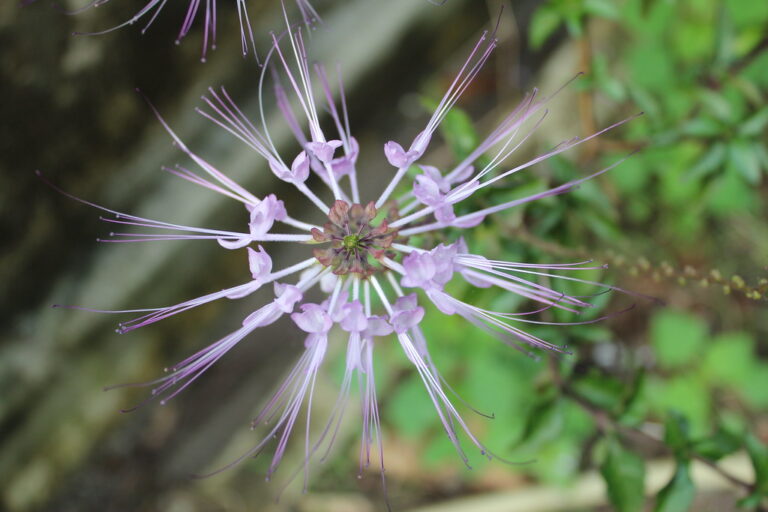
    Java Tea is a Southeast Asian herb traditionally brewed as an infusion to support urinary elimination and fluid drainage. Research highlights its diuretic and antioxidant properties while effects vary by individual. Consult a healthcare professional before use if you have kidney, heart or blood pressure concerns.