
Kola Nut
A traditional African stimulant seed used to support alertness.
Kola Nut is the dried seed of Cola nitida and Cola acuminata (family Malvaceae), native to tropical Africa and traditionally chewed to release stimulating constituents. Historically used across West and Central Africa to counter fatigue and support alertness, the nut is now commonly processed into powdered extracts and sold in capsules or tablets.
The seed contains caffeine (approximately 1.8–2.5% in dried seed), theobromine, tannins (including kolatine and kolatein), flavan-3-ols and chlorogenic acid, constituents that are associated with stimulant and antioxidant activity in laboratory studies. Uses and effects vary by individual; adverse effects are primarily related to caffeine (nervousness, insomnia, gastric irritation, increased heart rate or blood pressure), and supplements containing kola nut are generally contraindicated for children, pregnant or breastfeeding people, and those with gastric or cardiac conditions. Dosage and preparation vary by product, so follow label instructions or a healthcare professional’s guidance.
At a Glance
A seed from Cola nitida and Cola acuminata traditionally used across West and Central Africa, kola nut is valued for its stimulant properties and has been chewed fresh or processed into extracts. Its seed contains caffeine along with tannins and polyphenols, and it is commonly sold as a powdered extract in capsules and tablets.
Laboratory studies note stimulant and antioxidant activity and the nut also contains tannins that contribute astringent effects; individual responses and safety considerations vary, especially due to caffeine content.
| Common name |
|
|---|---|
| Scientific name |
|
| Plant family | Malvaceae |
| Origin | Africa |
| Parts used | Seed (dried fruit) |
| Active compounds |
|
| Main benefits |
|
| Available forms |
|
Origin & History
Kola nut is native to tropical West and Central Africa, where Cola nitida and Cola acuminata grow in warm, humid climates including moist savannas and forested zones; the trees prefer shade to full sun, can reach up to 20 metres, and may live for many decades. The seed colour varies by species and variety, and once dried the nuts are commonly split before use.
Used for thousands of years across African cultures, the fresh nut was traditionally chewed to release its active constituents and was incorporated into daily life, work practices and social rituals; agricultural workers historically used it to boost alertness during labour. Kola nut has also been an important social and ceremonial item, exchanged as a customary gift and used in hospitality and rites of passage. European and American interest in kola led to its introduction beyond Africa and to early use in tonic beverages and later processed extracts.
Composition & Active Compounds
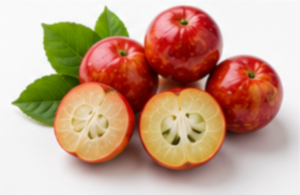
Kola nut seeds vary in colour by species and variety (from pale shades to light red) and, when dried, typically appear brown mahogany and are split before use; the seed (without shell) is the part most commonly processed into powdered extracts for supplements. The nut contains a mix of purine alkaloids, methylxanthines, tannins and polyphenols—constituents that contribute to stimulant, astringent and antioxidant actions noted in laboratory studies.
Caffeine is the primary alkaloid in the dried seed and is the main compound measured in most supplement preparations.
- Caffeine: purine alkaloid, present at about 1.8–2.5% in dried seed; associated with stimulant activity
- Theobromine: a methylxanthine related to caffeine; milder central and peripheral activity
- Flavan-3-ols: polyphenol subgroup (epicatechin, catechin); contribute antioxidant properties
- Chlorogenic acid: phenolic acid; contributes to antioxidant potential
- Proanthocyanidins: condensed tannin-type polyphenols; antioxidant activity
- Tannins (Kolatine, Kolatein, Kolanine): astringent compounds responsible for part of the nut’s flavour and colour

Properties & Effects
Kola nut is traditionally known as a stimulant seed used across West and Central Africa to counter fatigue and support alertness in daily and ceremonial contexts.
The most well-documented effect is its stimulant action, commonly used to reduce tiredness and promote mental alertness.
- Stimulant: Research suggests it may support short-term physical and mental energy.
- Antioxidant: Studies indicate it may provide antioxidant activity.
- Astringent: Traditionally used for its astringent properties.
- Antidiarrheal: Traditionally used to help reduce diarrhea in some practices.
- Metabolic stimulation: May increase basal metabolic rate and is associated with increased heart rate in some reports.
Dosage & How to Use
Typical supplement dosing for kola nut extract is provided for standardized capsule or tablet preparations.
| Capsule/tablet extract (standard) |
|
|---|
Safety, Side Effects & Contraindications
People with certain health conditions should avoid kola nut supplements or seek medical advice before use; this includes pregnant and breastfeeding people, children, and anyone with gastric ulcers, cardiac disorders (such as arrhythmia or high blood pressure), or chronic insomnia. Because many adverse effects stem from the seed’s caffeine content, combining kola nut with other caffeine-containing products or stimulants may increase the likelihood of nervousness, sleep disturbance, or cardiovascular effects.
Reported side effects include agitation, nervousness, insomnia, gastric irritation, nausea, headaches, palpitations and raised blood pressure; at high doses more serious cardiac symptoms have been described. Individual responses vary, and if side effects occur discontinue use and consult a healthcare professional.
- Pregnancy and breastfeeding: Not recommended for people who are pregnant or breastfeeding.
- Children: Use in children is not indicated.
- Gastric conditions: Avoid if there are gastric disorders such as ulcers.
- Cardiac conditions: Avoid with arrhythmia, hypertension or other heart problems.
- Insomnia: Avoid if prone to or currently experiencing sleep disorders.
Not recommended for pregnant or breastfeeding people, children, or those with gastric ulcers or heart conditions; may interact with other stimulants or caffeine. Consult a healthcare professional before use.