
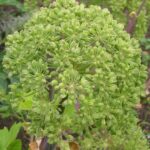
Angelica
A classic digestive tonic to support digestion and appetite.
Angelica (Angelica archangelica) is a robust Apiaceae herb native to northern Europe, noted for its large root, tall stems and umbrella-like umbels of flowers. Traditionally used in herbal practice, root preparations are commonly applied for digestive comfort, appetite stimulation and general tonification.
Key constituents include coumarins, phenolic acids and furocoumarins, and an essential oil can be obtained from the root; some compounds may cause photosensitivity. Dosages in supplements vary widely (commonly 50–1500 mg/day), and contraindications include pregnancy, lactation, children and diabetes—uses and effects may vary by individual, so professional advice is recommended.
At a Glance
Angelica is a tall, robust Apiaceae herb native to northern Europe, with a large fleshy root, high stems and umbels of white to green-yellow flowers. Root, leaf and seed preparations are traditionally used for digestive comfort, appetite stimulation and general tonification, and the root contains coumarins, furocoumarins and phenolic acids; some constituents can cause photosensitivity.
| Common name |
|
|---|---|
| Scientific name | Angelica archangelica |
| Plant family | Apiaceae |
| Origin | Northern Europe |
| Parts used |
|
| Active compounds |
|
| Main benefits |
|
| Available forms |
|
Origin & History
Angelica is native to northern Europe, with strong populations in Iceland and Greenland and a wild range extending from Scandinavia through the mountains of central Europe into middle Russia. The species prefers cool, northerly habitats and grows wild in some regions while being cultivated in others; it is not native to France but is grown there in cultivation.
Historically, Angelica has been valued in both medicinal and cultural contexts across Europe and beyond. A longstanding legend recounts a monk who, guided by the archangel Raphael, used the plant against the plague, which helped produce names such as “herb of the angel” and “herb of the Holy Spirit.” Over the centuries it was used in folk medicine and popular remedies for respiratory complaints, circulation and digestive problems, fatigue, and in various culinary and commercial applications; the plant also featured in trade and cultural exchange, including use by Viking traders.
Composition & Active Compounds
Angelica is a tall, robust herb with a large fleshy root, thick hollow stems often 2–3 m tall, very large pinnate leaves and umbrella-shaped umbels of white to green‑yellow flowers. The root is rich in a complex mixture of compounds: coumarins (including osthenol and osthol), furocoumarins, phenolic acids such as chlorogenic and caffeic acid, sitosterol esters, angelic acid, fatty acids, tannins and an essential oil containing monoterpenes and sesquiterpenes; these constituents contribute to the plant’s aroma, bitterness and traditional uses and can influence safety (for example photosensitivity from furocoumarins).
The root is the primary part used in supplements and concentrates the majority of the active constituents.
- Coumarins (osthenol, osthol): benzopyrone compounds found in the root, contributing to bitterness and bioactivity.
- Furocoumarins: photoactive compounds that can cause skin photosensitivity on exposure to sunlight.
- Phenolic acids (chlorogenic acid, caffeic acid): antioxidant‑type phenolics present in root tissues.
- Sitosterol esters: plant sterol derivatives occurring in the root.
- Angelic acid: an organic acid characteristic of the species.
- Fatty acids: constituents of root and seed lipid fractions.
- Tannins: astringent polyphenols present in plant tissues.
- Monoterpenes (alpha-pinene, limonene, myrcene, etc.): volatile oil components contributing to aroma.
- Sesquiterpenes (germacrene D, beta-bisabolene, caryophyllenes, etc.): larger volatile terpenes found in the essential oil.

Properties & Effects
Angelica is traditionally known as a digestive aid and general tonic, used to relieve digestive discomfort, support appetite and help with low energy and mild stress. It is commonly applied in root preparations and herbal formulations for these purposes.
Digestive comfort is the most well-documented traditional use of Angelica and is commonly cited for relieving spasms, bloating and a sensation of fullness.
- Digestive comfort: May support relief from gastrointestinal discomfort such as indigestion, bloating and a sensation of fullness.
- Antispasmodic: May help ease intestinal spasms and cramping.
- Carminative: May reduce gas and aid its natural release.
- Colagogue: May support bile flow and the digestive processes related to bile evacuation.
- Appetite stimulation: Traditionally used to help increase appetite in cases of loss of appetite.
- Tonifying / General support: Traditionally used as a general tonic to support energy and resilience during fatigue.
- Stress and anxiety support: May help reduce feelings of stress and promote calm in some individuals.
Dosage & How to Use
Typical dosing information comes from supplement formulations rather than a single standardized regimen.
| Dietary supplements |
|
|---|
Safety, Side Effects & Contraindications
Certain groups should avoid Angelica or use it only under medical supervision; the plant contains furocoumarins that can cause adverse effects in susceptible individuals. Known side effects include photosensitivity reactions—skin irritation or increased sensitivity to sunlight—so care with sun exposure is advisable.
Available guidance advises caution or avoidance in people with specific conditions named in the facts, and anyone taking prescription medicines should consult a healthcare professional before use because interactions and individual responses can vary. If there is any uncertainty, seek personalised advice from a qualified practitioner.
- Pregnancy: not recommended without medical advice.
- Lactation: not recommended during breastfeeding without professional guidance.
- Children: use is not advised for children unless directed by a clinician.
- Diabetes and prediabetes: avoid use without medical supervision.
Not recommended for pregnant or breastfeeding people, children or those with diabetes; Angelica can cause photosensitivity and may interact with medications—consult a healthcare professional before use.