
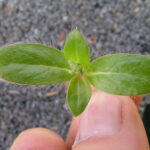
Gomphrena
An adaptogenic South American herb known for antioxidant, anti‑fatigue support.
Gomphrena is a South American medicinal plant used traditionally by Indigenous peoples as a versatile tonic. Species such as Gomphrena globosa, G. officinalis and G. macrocephala are employed for roots, leaves and flowers and contain betacyanins, flavonoids, vitamins and trace minerals associated with antioxidant activity.
Ethnobotanical reports and preliminary studies describe adaptogenic and anti‑fatigue uses, with traditional applications for stress management and general supportive care; effects may vary by species, preparation and individual. Standardized dosing is not established, and medical advice is recommended for pregnant or breastfeeding people, children, or anyone taking prescription medications.
At a Glance
Native to South America, Gomphrena species have long featured in traditional practices as broad-use herbal tonics.
These species contain betacyanins, flavonoids, vitamins and trace minerals and are traditionally valued for antioxidant and adaptogenic uses, though effects vary by species and preparation.
| Common name |
|
|---|---|
| Scientific name |
|
| Plant family | Amaranthaceae |
| Origin | South America |
| Parts used |
|
| Active compounds |
|
| Main benefits |
|
| Available forms |
|
Origin & History
Gomphrena is native to South America and figures prominently in the Amazonian pharmacopeia. Species in this genus are generally perennial shrubs adapted to warm climates; some grow on drier soils while others are found in more humid habitats, and several species are now cultivated or naturalized across the Americas, Africa, Australia and Southeast Asia.
Indigenous Amazonian communities traditionally used Gomphrena as a general-purpose medicinal plant, often described as a “paratudo”. Historically it has been used for a wide range of common complaints—including fatigue, cough, fever and digestive issues—and modern interest has focused on a few medicinal species such as Gomphrena globosa, G. officinalis and G. macrocephala.
Composition & Active Compounds
Gomphrena plants are typically shrubby with thick stems, paired hairy leaves and rounded, papery flower heads that can be red, pink, white or purple. Chemical constituents vary by species but commonly include betacyanins, flavonoids, vitamins, minerals, amino acids, phytohormones and other phenolic compounds; these constituents are associated with antioxidant activity and traditional adaptogenic uses.
Root extracts are the part most commonly used in dietary supplements.
- Betacyanins (gomphrenin III, isogomephrine III): red–purple pigments with antioxidant properties
- Flavonoids (quercetin, kaempferol): polyphenolic compounds with antioxidant and signaling roles
- Coumarins: phenolic components present among other phenolics
- Vitamins (A, E, B): nutritional cofactors including antioxidant vitamins
- Minerals and trace elements (magnesium, calcium, potassium, germanium): essential minerals and trace elements
- Amino acids (lysine, valine, tryptophan): basic nutritional and metabolic building blocks
- Phytoestrogens: plant-derived hormone-like compounds
- Allantoin: compound noted in traditional use for tissue-supporting and soothing properties
Related Herbs
Properties & Effects
Gomphrena is traditionally known as a general-purpose tonic used to counter fatigue and help with everyday stress; several species have been used in herbal practice for broad supportive care.
Its antioxidant activity is among the most commonly reported and studied properties.
- Antioxidant: may support the body’s antioxidant defenses and help maintain overall cellular health.
- Anti-fatigue: may support energy levels and help reduce feelings of temporary or chronic tiredness.
- Adaptogenic / Anti-stress: traditionally used to help the body cope with everyday stress and promote a calmer state.
- Hypotensive effect: research suggests it may help modulate blood pressure in some people, supporting a calming influence.
- Anti-inflammatory: traditionally used for conditions linked to inflammation and may support mild inflammatory balance.
Dosage & How to Use
Dosage information for Gomphrena is not standardized.
Current scientific data do not allow a reference daily dose; recommended amounts depend on the species, type of extract and individual needs, and active-ingredient content varies between preparations. Follow product labeling and consult a healthcare professional before use—especially if pregnant or breastfeeding, for children, or when taking prescription medicines.
Safety, Side Effects & Contraindications
No formal contraindications have been identified for Gomphrena, but medical advice is recommended as a precaution for certain groups. People who are pregnant or breastfeeding, children and anyone receiving prescription medical treatment should consult a healthcare professional before using Gomphrena products.
Few controlled studies have assessed adverse effects; to date no serious side effects have been widely reported, but individual reactions are possible and interactions with medications have not been fully studied. If unusual symptoms occur after use, discontinue the product and seek medical advice.
- Pregnancy and breastfeeding: medical consultation recommended before use as a precaution.
- Children: seek professional advice prior to administration.
- Concurrent medical treatment: consult a healthcare provider if taking prescription medications or undergoing medical care.
Consult a healthcare professional before using Gomphrena, especially if pregnant or breastfeeding, for children, or when taking prescription medications.