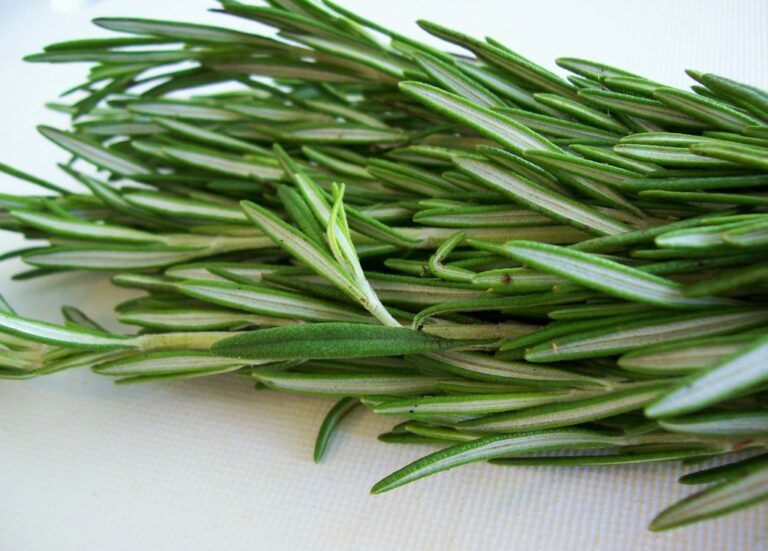
Immune Support

  • Zinc

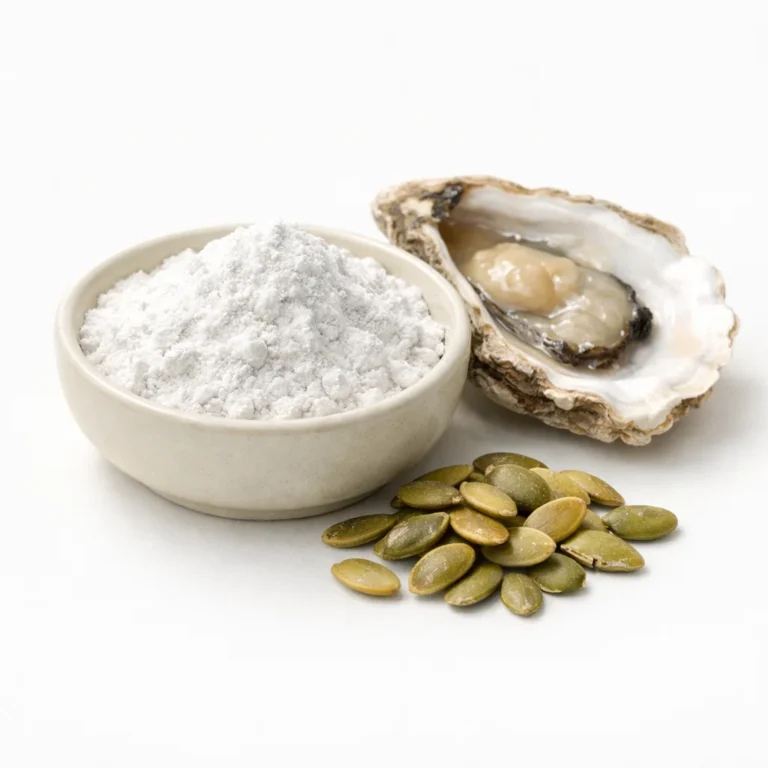
    Zinc is an essential trace element involved in DNA and protein synthesis, immune function, tissue renewal and vision support. Regular dietary intake or targeted supplementation can correct deficiency and help maintain normal skin, hair and reproductive health. Individual needs and responses vary, so dosing should be personalized.
  • Vitamin D

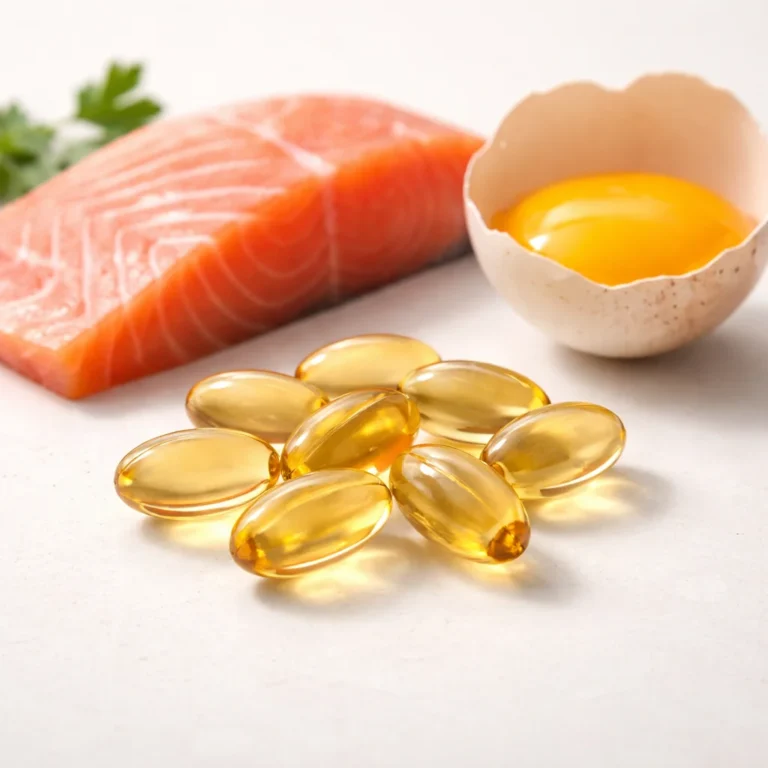
    Vitamin D supports calcium and phosphorus balance and is essential for bone mineralization, muscle function and immune activity. Deficiency is common and may be addressed by dietary sources, sunlight exposure or supplements under guidance. Intake needs vary with age, sun exposure and health status.

  • Vitamin E

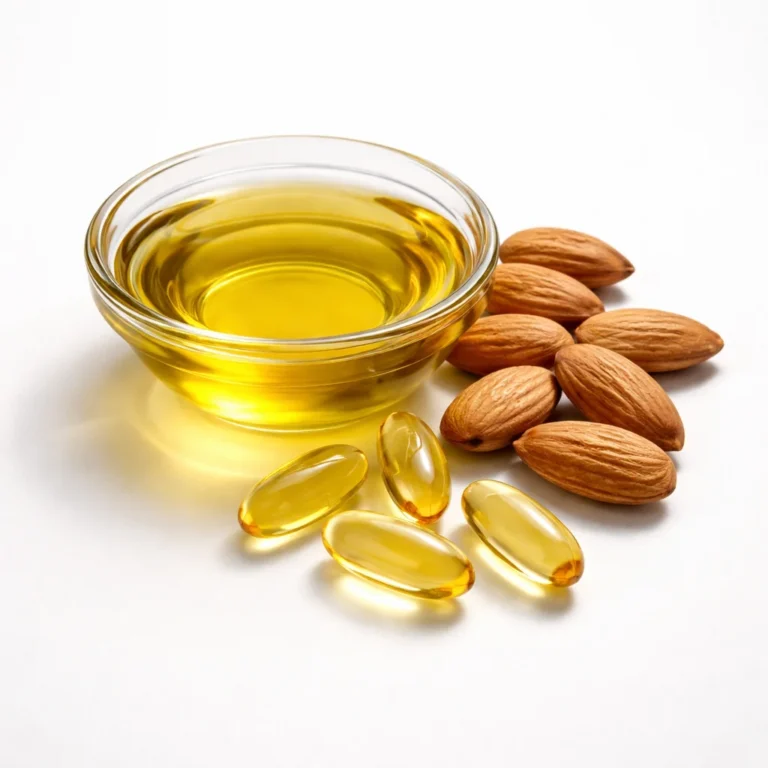
    Vitamin E is a group of fat‑soluble tocopherols found in seeds, oils, nuts and leafy greens, prized for protecting lipids and cell membranes from oxidative damage. Alpha‑tocopherol is the most biologically active form and is widely used in dietary supplements and topical products.

  • Vitamin C

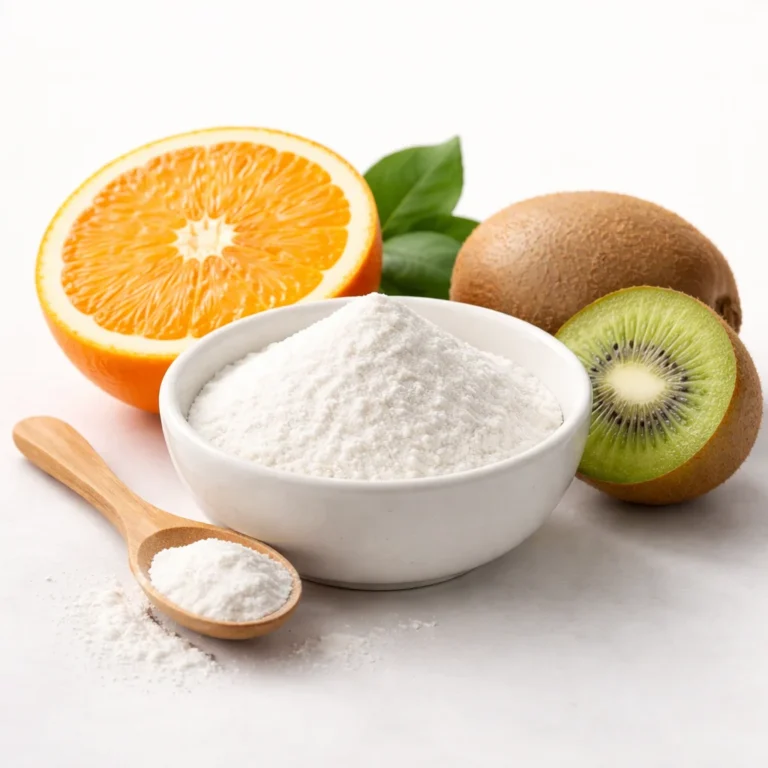
    Vitamin C is an essential water-soluble nutrient found in citrus, berries, peppers and leafy greens that supports collagen production, antioxidant defenses, and iron absorption. It contributes to tissue maintenance, daily vitality and the activity of immune cells, although individual responses to supplementation may vary.

  • Vitamin B12

    Vitamin B12 is a group of cobalt-containing, water-soluble cobalamins important for red blood cell production, DNA synthesis and nervous system maintenance. Supplemental forms include methylcobalamin, adenosylcobalamin, hydroxocobalamin and cyanocobalamin and are available as tablets, capsules, powders, liquids and injectable preparations for people with low dietary intake.

  • Vitamin A

    Vitamin A is a fat‑soluble nutrient found in liver, fish oils, dairy, eggs and as provitamin A carotenoids in vegetables. It supports vision, skin integrity and immune cell function while being stored in the liver and adipose tissue. Excess supplemental intake may pose risks in pregnancy and for smokers.

  • Spirulina

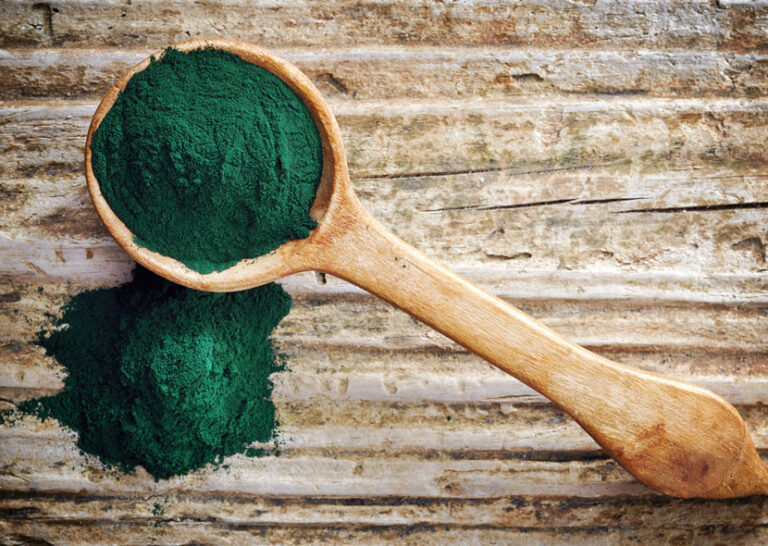
    Spirulina is a nutrient-dense blue-green microalga high in protein, vitamins, minerals and antioxidant pigments and commonly used as a dietary supplement for energy and recovery. Composition and nutrient content vary with source, so individual responses depend on product quality, purity and dosing.

  • Sweet Orange

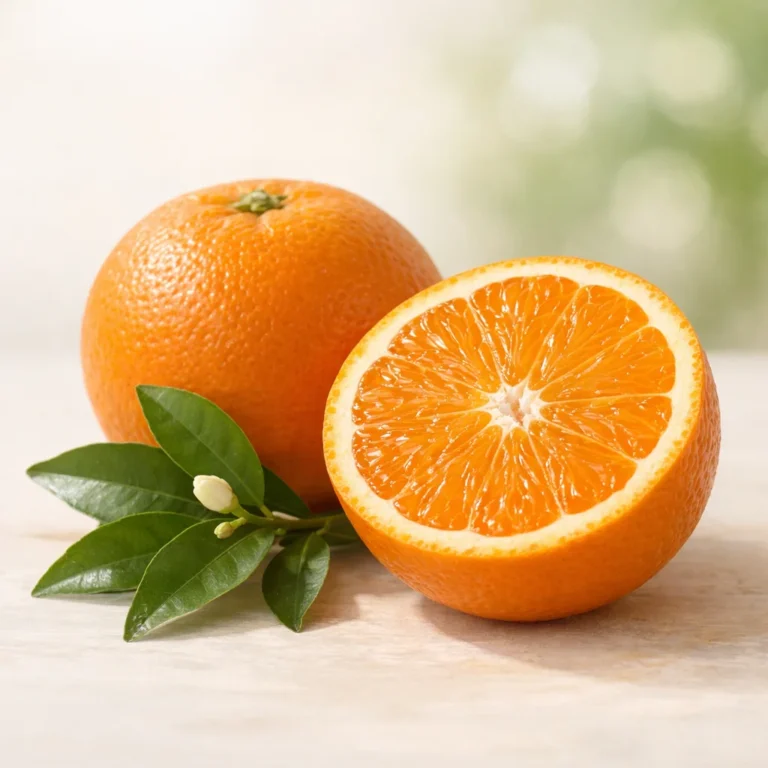
    Sweet Orange provides a sweet, vitamin C–rich fruit and a limonene‑rich peel oil used in aromatherapy and gentle topical or diluted oral preparations. The essential oil is prized for its citrus aroma and traditional use to promote relaxation and digestive comfort.

  • Soy Lecithin

    Soy lecithin is a phospholipid-rich extract from soybean seeds, commonly used in supplements, emulsification and food formulations to support cell membranes and healthy lipid metabolism. It supplies phospholipids, choline and inositol, is available in capsules or tablets, and may support memory and cardiovascular health in some individuals.

  • Sage

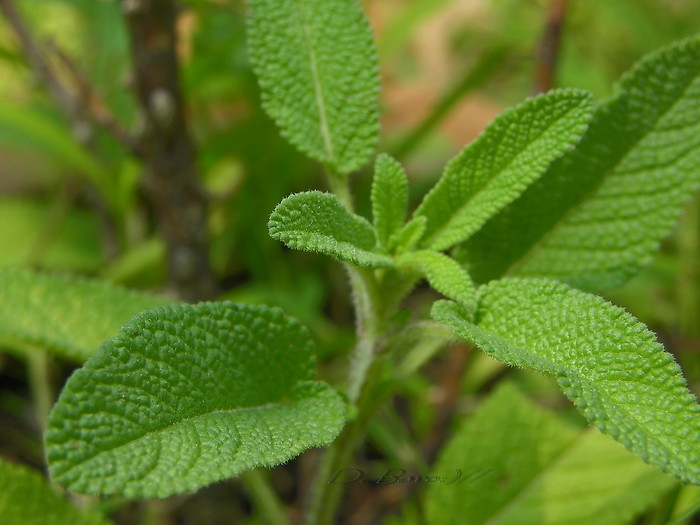
    Sage is an aromatic Mediterranean herb used for centuries for its tonic, antioxidant and anti-infectious qualities, with leaves and flowers commonly used in herbal preparations. It is also studied for relaxing, anxiolytic effects and for relieving certain menstrual and menopausal symptoms.

  • Selenium

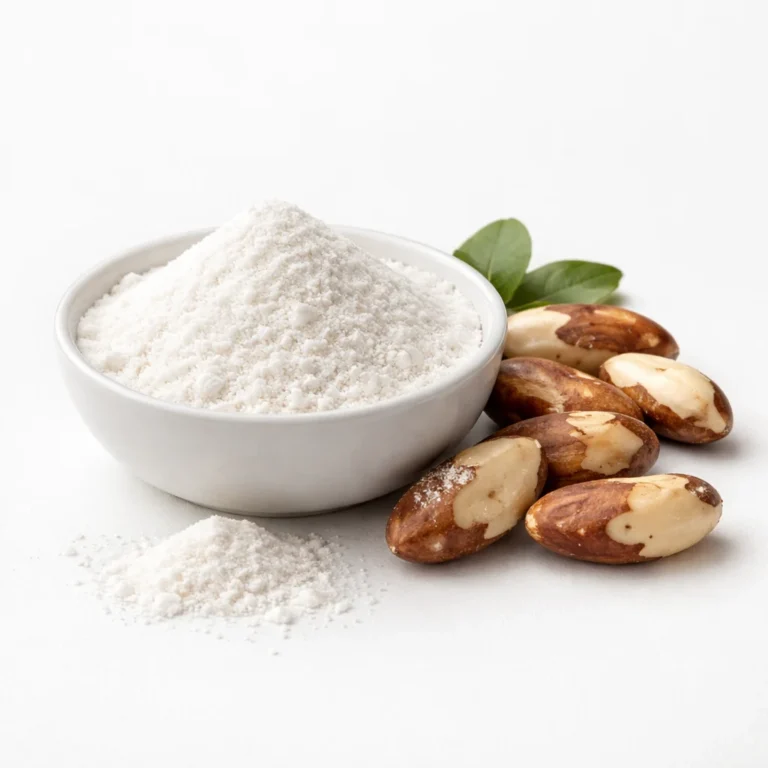
    An essential trace element, selenium supports antioxidant defenses and contributes to immune and thyroid function; dietary levels depend on soil content and common sources include Brazil nuts, seafood and organ meats. Supplements are available but excess intake can cause adverse effects.

  • Shiitake

    Shiitake is an East Asian edible mushroom used in cooking and traditional herbal practice, rich in beta‑glucans, eritadenine and ergothioneine and supplying B vitamins and vitamin D2. It is most noted for immune‑supportive and antioxidant properties. Dosing varies; consult a healthcare professional for advice.