Immune Support

  • Royal Jelly

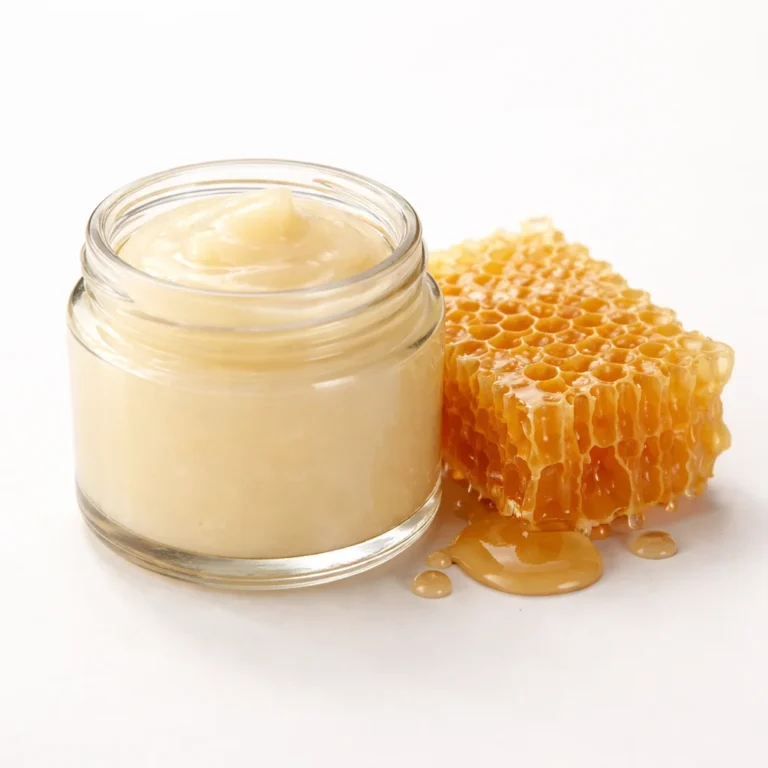
    Royal jelly is a concentrated bee secretion prized for its unique nutrient profile and historical use as a restorative tonic. Rich in the fatty acid 10-HDA and vitamin B5, it is commonly used as an energy-supporting supplement. Individual responses and quality vary.
  • Reishi

    Reishi is a woody bracket fungus used for centuries in East Asia and provided as whole mushroom, powder and standardized extracts. It is principally noted for antioxidant and immunomodulatory activity and traditional use as a longevity tonic. Individual responses vary; consult a healthcare professional.

  • Ravintsara

    Ravintsara essential oil is distilled from the leaves of a Madagascar laurel and is traditionally used for respiratory support and seasonal wellbeing. Its cineole‑rich aroma is prized in diffusion and topical blends for clearing airways and promoting relaxation, though individual effects vary.

  • Propolis

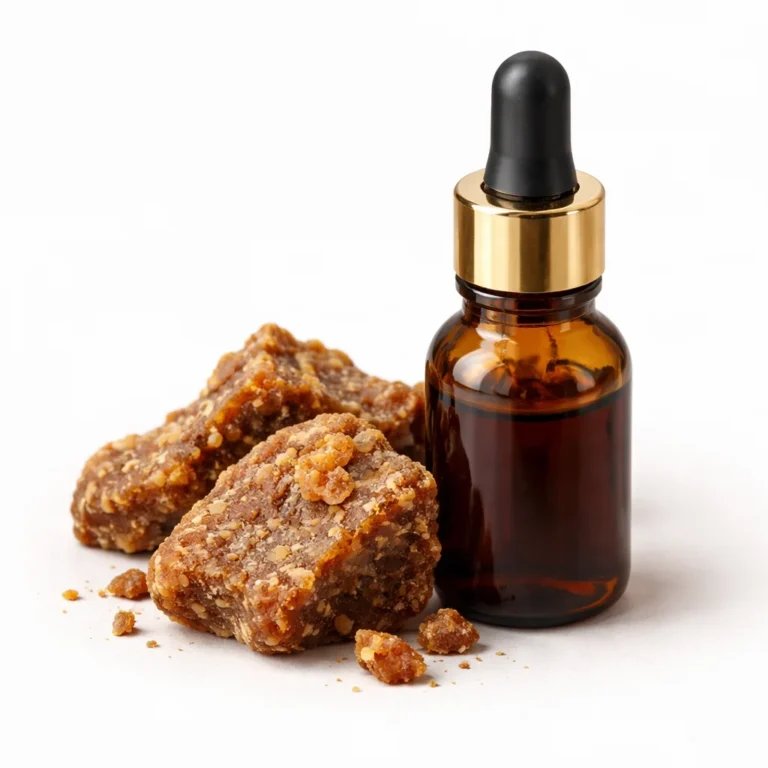
    Propolis is a resinous bee product valued for its antimicrobial and wound-supporting properties and is sold as tinctures, lozenges and supplements. It is rich in flavonoids and phenolic compounds and is commonly used for minor oral and skin concerns. Use may vary by individual.

  • Pau d’Arco

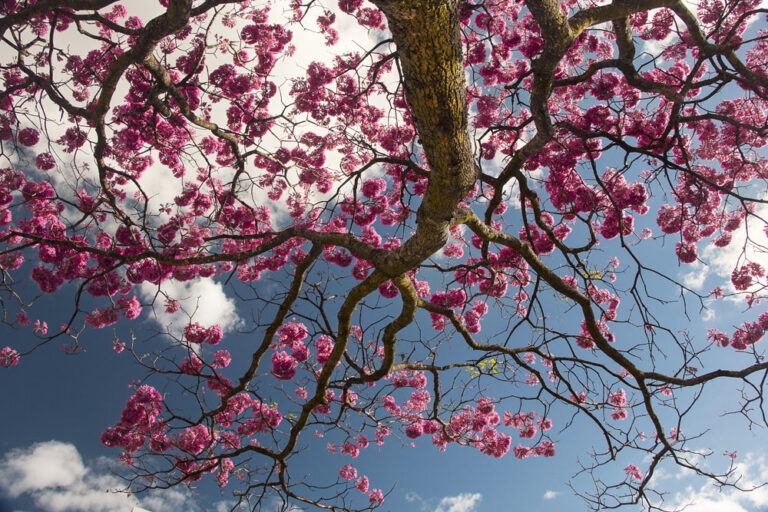
    A South American tree, Pau d’Arco’s inner bark has long been used in traditional medicine and is rich in naphthoquinones such as lapachol. It is most commonly used for its traditional antimicrobial and anti-inflammatory properties. Use and effects may vary; consult a professional before use.

  • Papaya

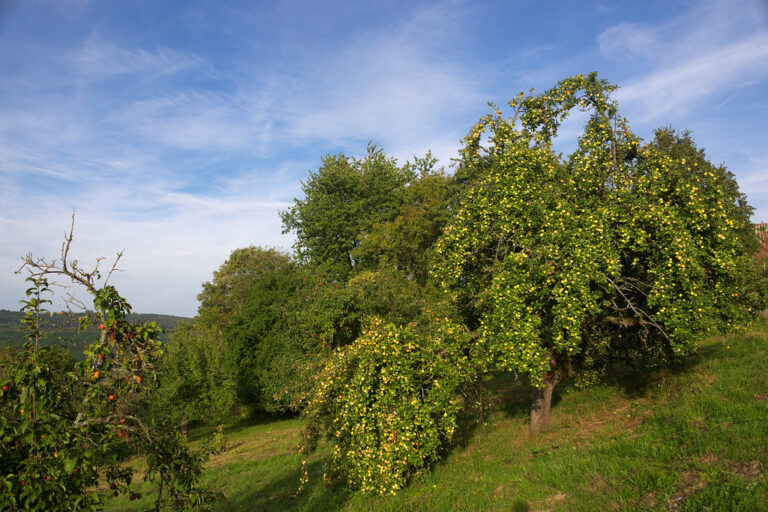
    Papaya is a tropical fruit high in fiber, vitamin C and provitamin A, used both as food and in traditional remedies. Fermented papaya preparations are noted for increased antioxidant content and interest for immune support. Individual responses vary and known allergies warrant caution.

  • Niaouli

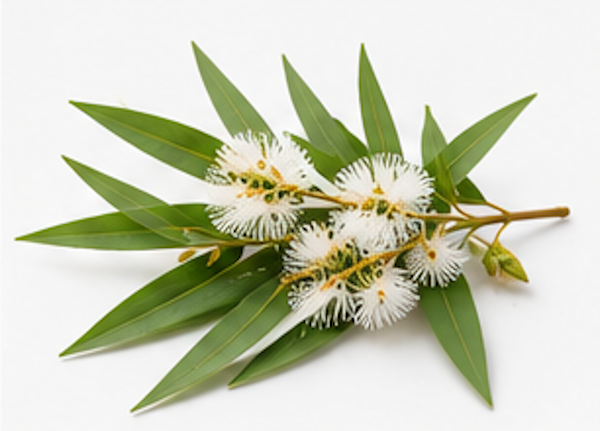
    Niaouli oil, distilled from the glossy five‑nerved leaves of Melaleuca quinquenervia, is valued in aromatherapy and topical preparations for its antiseptic and expectorant reputation. Traditional use includes skin support and respiratory applications, though individual responses and safety vary. Precautions apply for several at‑risk groups.

  • Mullein

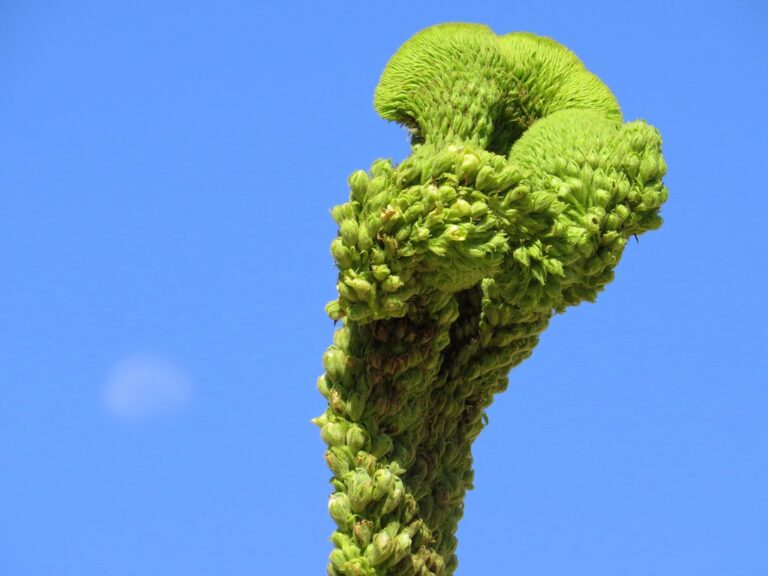
    Mullein is a woolly biennial herb used traditionally to soothe respiratory irritation and digestive discomfort. Leaves and flowers are prized for mucilage-rich, emollient preparations used for coughs and throat irritation. Effects and tolerability may vary by individual; consult a healthcare professional if unsure.

  • Mouse-ear Hawkweed

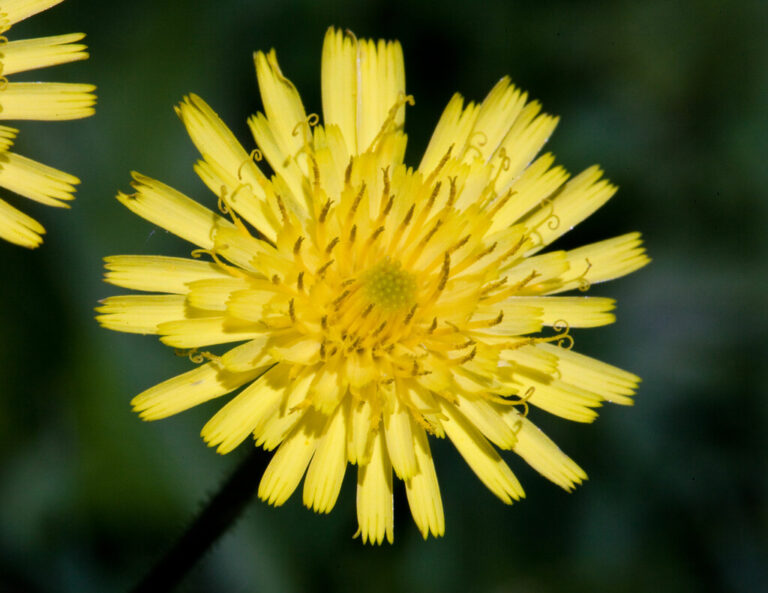
    Mouse-ear Hawkweed is a low-growing herb used traditionally for mild urinary complaints and to support fluid balance. It is valued as a diuretic and contains flavonoids, phenolics and other plant constituents linked to antioxidant and antibacterial activity. Caution is advised for certain groups.

  • Maitake

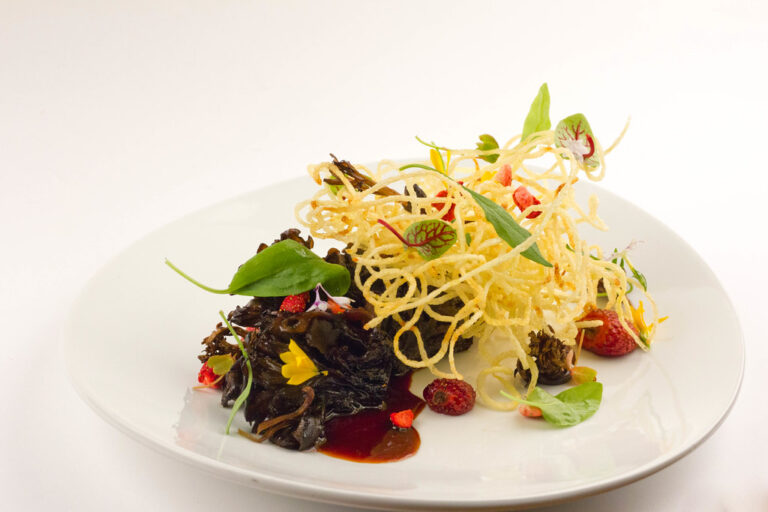
    Clustered polypore prized in Japanese and Chinese tradition, Maitake is used culinary and as a supplement rich in beta‑glucans with research interest for immune and metabolic support. Studies focus on its D/MD beta‑glucan fractions and reported effects on immune activity and glucose regulation.

  • Maca

    Maca is a high‑altitude Peruvian root traditionally used as a nutritive staple and vigor‑promoting remedy, commonly consumed dried or as powder and capsules. Research has examined effects on libido, sperm parameters and menopausal symptoms, but individual responses vary and evidence is mixed.

  • Licorice

    Sweet-tasting root used in confections and herbal preparations, licorice has a long history in European, Middle Eastern and Asian traditions. Its root contains glycyrrhizin and other constituents linked to digestive comfort and respiratory soothing. Effects vary by individual; precautions apply for prolonged use.