Propolis
A resinous bee product used to support antimicrobial and wound-care needs.
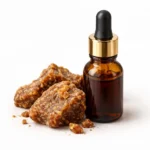
Propolis is a resinous hive product collected and transformed by bees from plant buds, bark and leaf petioles. It typically appears as a brown masilla and contains resins, waxes, essential oils, flavonoids and phenolic compounds; it has been used historically as a disinfectant and to support wound care, and research has identified antimicrobial, antioxidant and immunomodulatory activity in various propolis extracts.
Commonly available as tinctures, extracts, lozenges, gums and dietary supplements, propolis is used in oral and topical applications for issues such as gingival inflammation, pharyngitis, minor skin wounds and fungal lesions, though effects vary by individual. Study dosing has often ranged around 1–3 g per day for short courses and product labels should be followed; propolis is contraindicated in people with allergies to bee products (honey, pollen or stings) and may cause allergic reactions such as rash, itching or respiratory symptoms, so pregnant or breastfeeding people and children should seek medical advice before use.
At a Glance
Propolis is a resinous substance produced by worker bees from plant resins, wax and enzymes to protect and seal the hive. It is rich in flavonoids and phenolic compounds and is used in topical and oral preparations for antimicrobial, antioxidant and wound-supporting purposes. Composition and activity vary with botanical source and extraction method.
| Common name |
|
|---|---|
| Origin |
|
| Parts used | Resinous plant exudates collected by bees |
| Active compounds |
|
| Main benefits |
|
| Available forms |
|
Origin & History
Propolis is a complex resinous material produced by worker bees from plant resins gathered on buds, bark and leaf petioles; its botanical sources vary by region, with poplars and conifers common in Europe and diverse plants contributing to red, green, yellow and black varieties elsewhere. Bees use propolis to seal gaps, line hive walls and protect the colony from environmental stressors, and the resulting composition reflects local flora and extraction method.
Roman legionaries used propolis to disinfect wounds. Over centuries propolis has been collected and applied in many cultures for hygiene, wound care and preservation; its role as a protective hive substance inspired widespread traditional use and it continues to be incorporated into topical and oral apicultural products around the world.
Composition & Active Compounds
Propolis is a resinous, waxy mass that most commonly appears brown though color varies with botanical source; it contains plant resins, beeswax, essential oils, pollen, flavonoids and phenolic compounds. These constituents include polyphenols and volatile oils that are associated with antioxidant, antimicrobial and wound-supporting activity, and concentrations differ by local flora and extraction method. Flavonoids are among the most important active constituents in propolis and are central to many reported antioxidant and antimicrobial activities.
- Flavonoids: plant-derived polyphenols such as quercetin with antioxidant and antimicrobial properties.
- Quercetin: a specific flavonoid present in propolis.
- Phenolic compounds: phenolic acids and derivatives with antioxidant activity.
- Caffeic acid esters: phenolic esters associated with antimicrobial and antioxidant effects.
- Essential oils: volatile compounds contributing aroma and biological activity.
- Vitamins A and B: vitamins present in trace amounts.
Related Herbs


Properties & Effects
Propolis is a resinous hive product traditionally used to support protection against microbial threats and to aid skin and mucous membrane care.
It is most noted for antimicrobial activity and is traditionally used to help manage minor infections.
- Antimicrobial: research suggests it may support control of local bacterial, fungal or viral challenges.
- Wound healing: it may support repair of minor cuts, burns and superficial skin lesions.
- Anti-inflammatory: it may support reduction of local inflammation in infected or irritated tissues.
- Antioxidant: it may support protection of cells from oxidative damage.
- Immunostimulant: it may support aspects of the body’s general immune response.
- Analgesic: it may support relief of minor pain or discomfort related to skin or mucosal irritation.
Dosage & How to Use
Dosage recommendations vary by study and product; follow study guidance or the product label when available.
| Oral use |
|
|---|---|
| Dietary supplements |
|
Safety, Side Effects & Contraindications
Propolis is contraindicated for people with known allergy to bee products and is not recommended for children; as a precaution, pregnant and breastfeeding people should seek medical advice before use. Reported adverse effects are primarily allergic in nature and include redness, itching, eczema, hives, asthma, nasal discharge and eye irritation; the provided facts do not list specific medication interactions, so consult a healthcare professional if taking other medicines.
If signs of an allergic reaction occur, stop use and seek medical advice promptly; respiratory symptoms warrant urgent attention. Follow product labeling and a professional’s guidance when in doubt.
- Allergy to bee products: contraindicated in people allergic to bee stings, honey or pollen; may cause skin and respiratory allergic reactions.
- Children: use is contraindicated for children.
- Pregnancy and breastfeeding: consult a healthcare professional before use as a precaution.
Not suitable for people allergic to bee products or for children; pregnant or breastfeeding people and those taking other medications should consult a healthcare professional before use.