
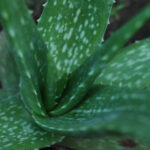
Aloe Vera
A succulent leaf used for skin hydration and occasional laxative use.
Aloe Vera is a perennial, stemless succulent with thick, triangular leaves that contain two distinct fractions: an inner mucilaginous gel and an outer bitter latex or juice. The gel is largely water with polysaccharides (including acemannan), vitamins, enzymes and minerals that contribute to its hydrating and skin-conditioning properties, while the latex contains hydroxyanthracene glycosides such as aloin and is responsible for stimulant laxative activity.
Traditionally and in scientific studies Aloe Vera gel is applied topically for skin hydration, support of tissue repair and appearance-related concerns, while the juice has been used orally as a laxative; doses of about 200–300 mg of aloe juice per day at meals are commonly cited for laxative purposes. Safety considerations include possible allergy in people sensitive to Liliaceae, abdominal cramping or diarrhea with oral latex, a risk of reduced blood potassium, and interactions with digoxin and loop or thiazide diuretics; oral use is generally not recommended in pregnancy or breastfeeding. Uses and effects may vary by individual, and professional advice is recommended before beginning new oral or topical Aloe Vera products.
At a Glance
Aloe Vera is a stemless perennial succulent with thick, triangular leaves that yield an inner mucilaginous gel and an outer bitter latex. The gel is largely water with polysaccharides such as acemannan and is used for topical hydration and skin support, while the latex contains hydroxyanthracene glycosides like aloin and is associated with stimulant laxative activity.
| Common name |
|
|---|---|
| Scientific name |
|
| Plant family | Liliaceae |
| Origin | South Africa |
| Parts used |
|
| Active compounds |
|
| Main benefits |
|
| Available forms |
|
Origin & History
Aloe Vera is native to southern Africa and grows naturally in semi-arid, sandy environments where steady warmth and drought tolerance favour succulent species. The plant thrives in heat, tolerates dry periods, and is sensitive to frost; while the genus contains around 400 species, only a few are widely recognised for traditional medicinal and cosmetic use.
Used for millennia across many cultures, Aloe Vera appears in texts and traditions from Sumerian, Mesopotamian and Egyptian sources to Chinese and Arabic herbal lore, valued for topical applications and as a bitter oral preparation. Notably, ancient Egyptians and other early civilizations prized Aloe Vera for wound care and cosmetic purposes, often regarding it as a plant with sacred or restorative associations. Over time its leaf gel and latex were incorporated into household remedies, skin preparations and oral formulations in diverse regions worldwide.
Composition & Active Compounds
The Aloe Vera plant is a stemless succulent with thick, triangular leaves that contain an outer bitter latex and an inner clear, mucilaginous gel; chemically the leaf provides mono- and polysaccharides (including glucomannans), vitamins, enzymes and hydroxyanthracene glycosides such as aloin. These constituents explain the differing uses of the gel and the latex: polysaccharides and monosaccharides contribute to water retention and gel viscosity, vitamins and enzymes are present in small amounts and support biochemical functions, while aloin is the principal anthraquinone found in the bitter juice. The inner gel, rich in water and polysaccharides like acemannan, is the part most used in topical products and many supplements.
- Aloin: hydroxyanthracene glycoside found in the latex, associated with stimulant laxative activity
- Acemannan: a glucomannan polysaccharide in the gel, major mucilage component
- Polysaccharides: mono- and polysaccharides including glucomannans that contribute to gel viscosity and moisture retention
- Vitamins: vitamins A, C, E and several B vitamins present in the gel
- Enzymes: enzymes such as bradykinase, lipase, peroxidase and tyrosinase
Related Herbs

Properties & Effects
Aloe Vera is traditionally known for topical skin use and as an oral laxative, with the leaf gel and the bitter latex used for different purposes. The gel is typically applied for skin hydration and support, while the latex has been used orally to promote bowel movement.
The gel’s hydrating and skin-supporting use is among the most well-documented traditional applications.
- Laxative: may support bowel regularity when taken orally.
- Hydration: may support skin moisture and help reduce evaporative water loss when applied topically.
- Anti-aging: research suggests it may support skin elasticity and appearance-related concerns.
- Wound healing: may support tissue repair and the healing of superficial skin injuries when applied topically.
- Anti-inflammatory: may support reduction of local inflammatory responses.
- Antioxidant: may provide antioxidant activity that can help protect tissues from oxidative stress.
Dosage & How to Use
The following dosage information is based on the provided facts.
| Laxative |
|
|---|
Safety, Side Effects & Contraindications
Some people should avoid Aloe Vera or use it cautiously: individuals with a known allergy to plants in the Liliaceae family, and those who are pregnant or breastfeeding are specifically advised against oral use of the latex. Known adverse effects of oral latex include abdominal cramping and diarrhea, and repeated stimulant laxative use may lead to dependence or worsening of bowel function; laxative use can also be associated with lower blood potassium levels.
There are documented interactions and topical cautions to consider: oral Aloe Vera juice or latex can interact with certain cardiac and diuretic medications and increase the risk of electrolyte imbalance, while topical gel may increase penetration of other products applied to the skin. Uses and effects may vary by individual, and medical advice is recommended when using Aloe Vera alongside prescription medicines or during pregnancy or lactation.
- Allergy: Avoid if sensitive to Liliaceae plants (for example onions, garlic, tulips, asparagus).
- Pregnancy and breastfeeding: Oral juice/latex not recommended during pregnancy or breastfeeding.
- Gastrointestinal side effects: Oral latex may cause abdominal cramps, diarrhea, or aggravate constipation.
- Electrolyte disturbance: Laxative use may lower blood potassium levels.
- Drug interactions — digoxin: May interact with digoxin; avoid co‑use.
- Drug interactions — diuretics: May increase risk of hypokalemia with thiazide or loop diuretics (e.g., furosemide, hydrochlorothiazide).
- Topical absorption: Gel can increase skin absorption of other topical products such as corticosteroids.
- Laxative dependence: Repeated oral use of the latex may cause dependence or worsen bowel function.
Aloe Vera can interact with medications (including digoxin and certain diuretics) and oral latex is not recommended in pregnancy or breastfeeding; consult a healthcare professional before use, especially if taking medication or managing health conditions.