Hormonal Balance

  • Yam

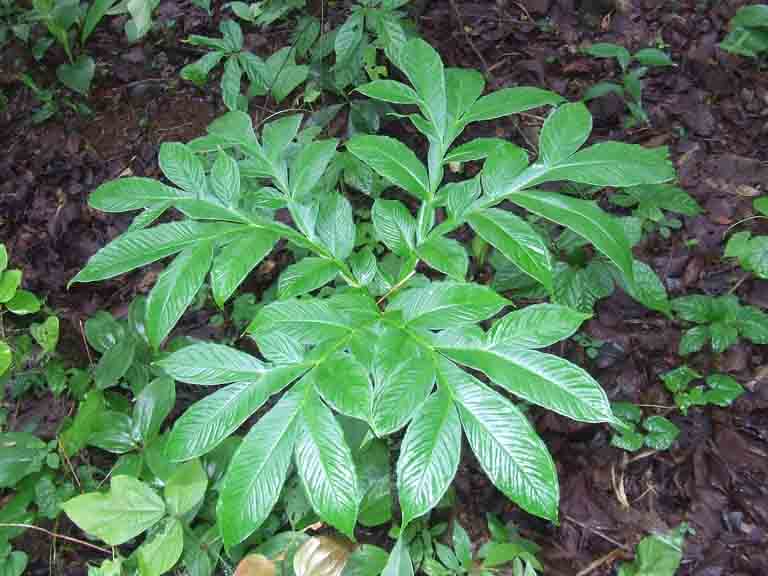
    Yam (Dioscorea villosa) is a climbing vine whose dried rhizome is used in traditional American herbalism for hormone-related and musculoskeletal complaints. Its rhizome contains diosgenin, a plant precursor historically linked to steroid hormone synthesis. Individual responses vary; consult a professional before use.

  • White Willow

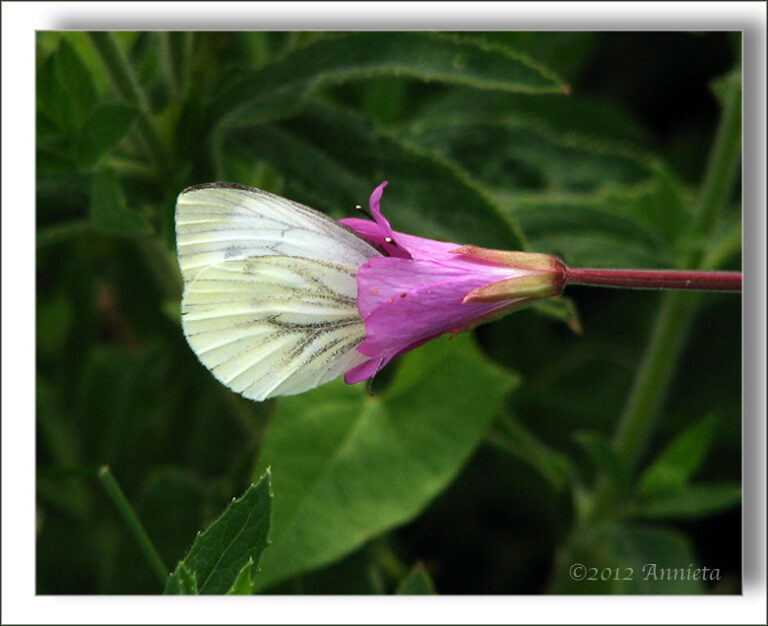
    White Willow is a Mediterranean shrub whose dried berries are used in herbal preparations and contain labdane diterpenes, iridoids and flavonoids studied for effects on reproductive hormones. It is commonly used in herbal practice for supporting menstrual cycle regulation and relief of premenstrual symptoms, with effects varying by individual.

  • Tribulus

    Tribulus terrestris is a low-growing herb used across Mediterranean and Asian traditions for urinary, reproductive and tonic uses. Supplements typically use fruits and leaves standardized for saponins and flavonoids. Uses and responses vary between individuals; consult a professional if you have health conditions or are taking medication.

  • Sage

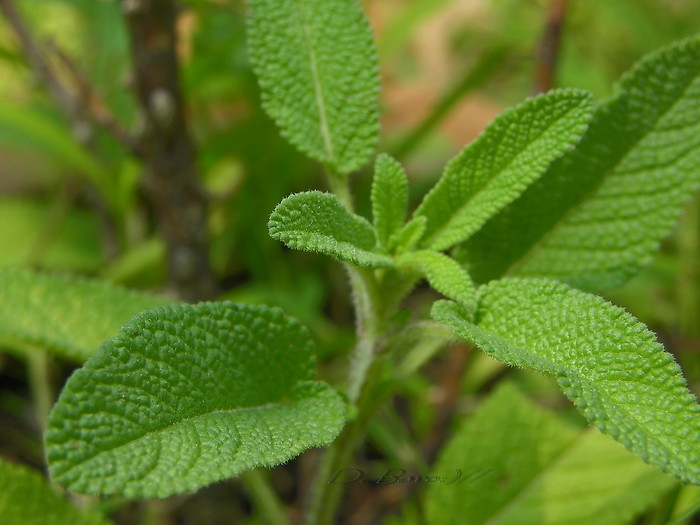
    Sage is an aromatic Mediterranean herb used for centuries for its tonic, antioxidant and anti-infectious qualities, with leaves and flowers commonly used in herbal preparations. It is also studied for relaxing, anxiolytic effects and for relieving certain menstrual and menopausal symptoms.

  • Selenium

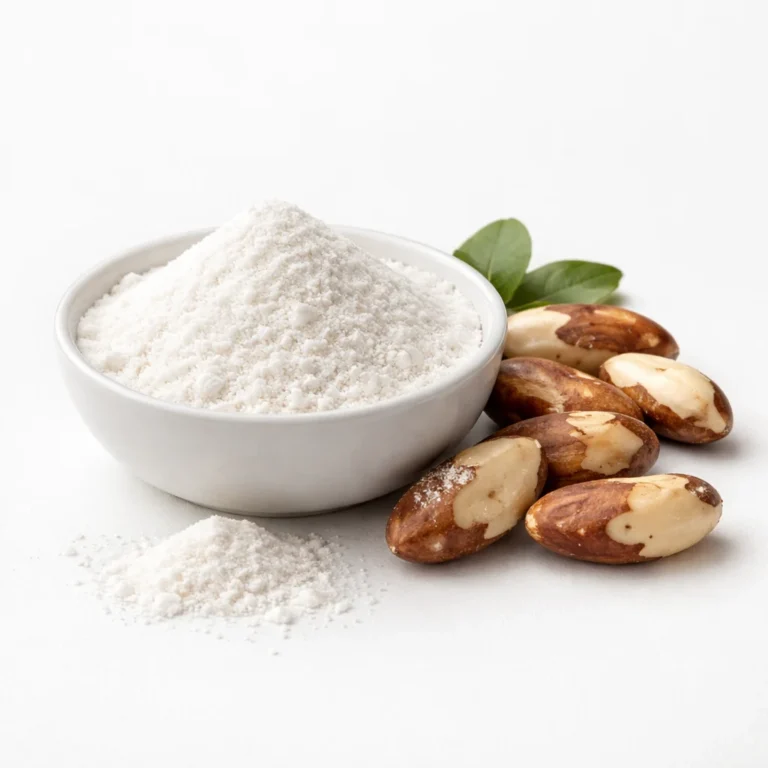
    An essential trace element, selenium supports antioxidant defenses and contributes to immune and thyroid function; dietary levels depend on soil content and common sources include Brazil nuts, seafood and organ meats. Supplements are available but excess intake can cause adverse effects.

  • Saw Palmetto

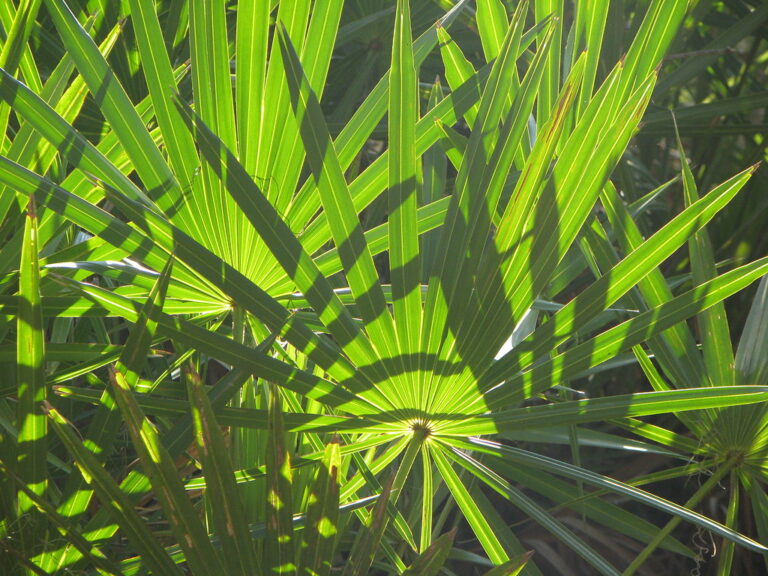
    A small coastal palm, saw palmetto yields dried drupes used in supplements for urinary and androgen‑related concerns. Some studies report support for lower urinary tract symptoms and androgen‑related hair issues; common dosing is about 160 mg twice daily, and side effects are generally mild though individual responses vary.

  • Red Clover

    Red Clover is a short‑lived legume valued for its purplish‑red flowering tops, used traditionally and as supplements for menopausal complaints and respiratory or skin uses. Flowering tops are notable for isoflavones that have been studied in relation to menopausal symptom relief.

  • Mugwort

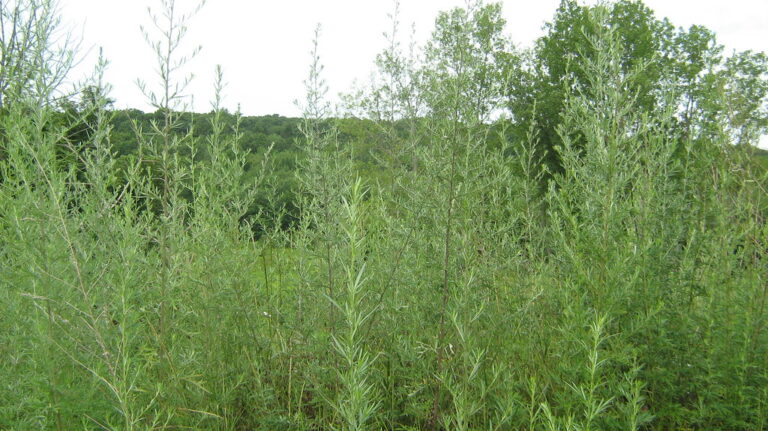
    Mugwort is a perennial Asteraceae herb traditionally used widely for migraine prevention and to ease painful menstruation, with dried flowers and fresh leaves used in preparations. Parthenolide is the main active constituent targeted in supplements. Responses and tolerability vary among individuals.

  • Maca

    Maca is a high‑altitude Peruvian root traditionally used as a nutritive staple and vigor‑promoting remedy, commonly consumed dried or as powder and capsules. Research has examined effects on libido, sperm parameters and menopausal symptoms, but individual responses vary and evidence is mixed.

  • Iodine

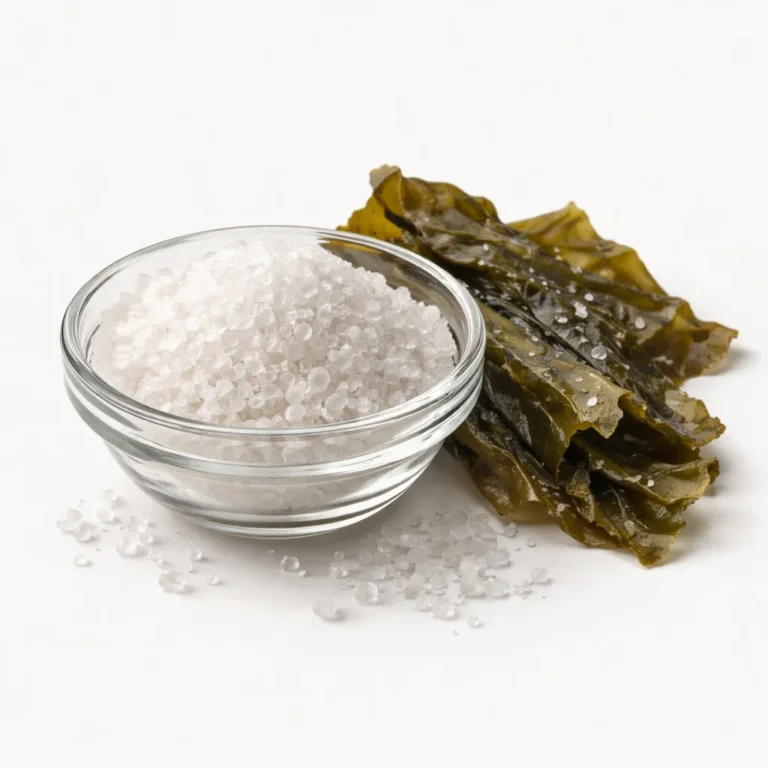
    Iodine is an essential trace element concentrated in marine foods and iodized salt that plays a key role in thyroid-related physiology, growth and neurological development. Dietary sources and supplements such as potassium iodide help maintain adequate intake, but needs vary by life stage and geography.

  • Fenugreek

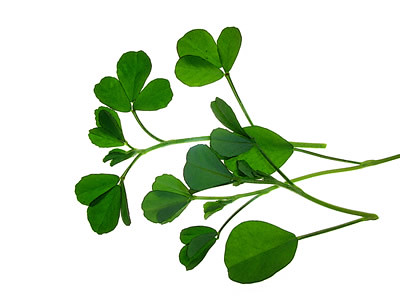
    Fenugreek is a Mediterranean annual whose seeds are used as spice and in traditional remedies for appetite, digestion, blood sugar and lactation support. Seeds contain compounds such as diosgenin, trigonelline and 4‑hydroxyisoleucine and are sold as whole seeds, powders and extracts.

  • Evening Primrose

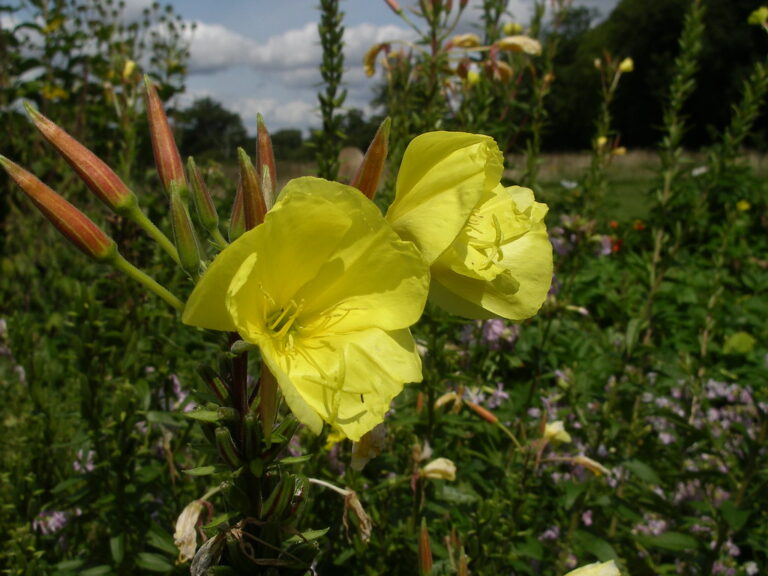
    Evening Primrose oil is pressed from the seeds of Oenothera biennis and is prized for its omega-6 fatty acids, notably gamma-linolenic acid, used in dietary and topical preparations for women’s comfort and skin support. Research suggests evening primrose oil may support relief of menstrual and menopausal symptoms for some individuals, though responses vary.