
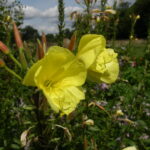
Evening Primrose
Seed oil rich in GLA traditionally used for women's comfort and skin support.
Evening Primrose (Oenothera biennis) is a North American biennial notable for its yellow flowers that open at dusk and for seeds pressed to produce a seed oil rich in omega-6 fatty acids, especially gamma-linolenic acid (GLA). The oil is used in traditional and contemporary herbal practice for women’s comfort, skin care and general antioxidant support.
Clinical and experimental research has examined evening primrose oil for premenstrual symptoms, menstrual discomfort, menopausal complaints, certain skin conditions such as eczema, and for antioxidant and cardioprotective effects; findings are mixed and individual responses vary. Common supplement formats are cold-pressed seed oils standardized for GLA (some formulas target about 9% GLA) with typical doses around 1 g/day, while precautions include possible headache or gastrointestinal upset, a contraindication in epilepsy, and attention to maintaining a balanced omega-3:omega-6 ratio.
At a Glance
Evening Primrose is a biennial herb native to North America whose seeds are harvested and pressed to produce an oil notable for its omega-6 fatty acid content.
The cold-pressed seed oil is commonly standardized for gamma-linolenic acid (GLA) and used in supplements for women’s comfort, skin support and antioxidant benefits.
| Common name |
|
|---|---|
| Scientific name | Oenothera biennis |
| Plant family | Onagraceae |
| Origin | North America |
| Parts used | Seeds |
| Active compounds |
|
| Main benefits |
|
| Available forms |
|
Origin & History
Evening Primrose is native to North America and typically grows as a biennial in temperate, often coastal, habitats; it produces a basal rosette the first year and conspicuous yellow flowers in the second. Plants are noted for flowers that open at dusk and for seeds that have long been collected for oil production; since the 1600s the species spread to Europe where it was first grown ornamentally and later adopted for culinary and medicinal uses.
Indigenous North American peoples used evening primrose leaves as poultices for wounds and prepared roots and seeds for nutritional and topical remedies. Over time the seed oil became the principal material in herbal practice, extracted from pressed seeds and incorporated into dietary supplements and topical preparations, while cultural interest shifted from ornamental gardens to practical uses for skin and general well-being.
Composition & Active Compounds
Evening Primrose produces bright yellow flowers that open at dusk and a crop of small seeds that are pressed to yield a pale oil rich in omega-6 fatty acids. The oil’s main chemical constituents named in literature are omega-6 fatty acids, notably gamma-linolenic acid and linoleic acid, which are the basis for most supplement preparations and topical extracts.
The seed oil, rich in gamma-linolenic acid (GLA), is the primary material used in supplements.
- Omega-6 fatty acids: essential fatty acids in the seed oil found across cell membranes and signalling pathways
- Gamma-linolenic acid (GLA): an omega-6 fatty acid and metabolic precursor to prostaglandins, studied for effects on skin and women’s comfort
- Linoleic acid: a common omega-6 fatty acid in the oil and a major component contributing to the seed oil’s nutritional profile
Related Herbs
Properties & Effects
Evening Primrose has a long tradition of use for women’s comfort and for topical and dietary support of skin and general well-being.
Research most consistently examines evening primrose oil for women’s comfort related to premenstrual, menstrual and menopausal symptoms.
- Women’s comfort: Evidence suggests it may support relief of common menstrual and menopausal discomforts for some individuals.
- Antioxidant: Research suggests it may provide antioxidant support that helps protect cells from oxidative stress.
- Skin health: It may support improvement in certain skin conditions and is traditionally used for issues such as eczema and signs of aging.
- Cardioprotective: Some studies indicate it may help support cardiovascular risk factors such as cholesterol and blood pressure in certain cases.
Dosage & How to Use
Dosage varies by product and formulation; follow product labeling and professional advice.
| Cold-pressed seed oil (standardized to 9% GLA) | 1 g per day |
|---|
Safety, Side Effects & Contraindications
Evening Primrose oil should be used with care and according to product dosing guidance; people with certain neurological conditions should avoid it. Reported side effects at high or excessive doses include headache and gastrointestinal discomfort, and recommended supplement doses should be respected to reduce the risk of adverse symptoms.
The oil’s constituents have been studied for effects on cholesterol, platelet aggregation and blood pressure, so it may influence cardiovascular-related measures in some individuals; anyone using medications or receiving treatment for cardiovascular conditions or clotting disorders should consult a healthcare professional before starting supplements. Attention to dietary balance is advised, as maintaining an appropriate omega-3 to omega-6 ratio and reducing intake of other omega-6–rich oils can help avoid unintended imbalances.
- Contraindication: Avoid use in people with epilepsy.
- Precaution: Respect recommended supplement doses to minimise risk of headache and digestive upset.
- Dietary warning: Consider balancing omega-3 and omega-6 intake and reduce other omega-6 sources (for example, sunflower oil) during treatment.
Avoid evening primrose oil if you have epilepsy; it can cause headache or stomach upset and may affect blood clotting or blood pressure, so consult a healthcare professional before use.