Wild Pansy
A gentle detoxifying herb traditionally used for skin and anti‑inflammatory support.
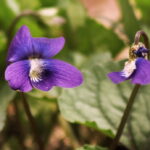
Wild Pansy (Viola tricolor) is a small herbaceous plant recognised for its tricolour flowers—white, yellow and purple—and long history of use in European and Asian herbal traditions. Harvested primarily for its flowers between March and October, the plant contains salicylic acid, flavonoids and tannins, constituents associated with detoxifying (diuretic/draining) and anti‑inflammatory activity.
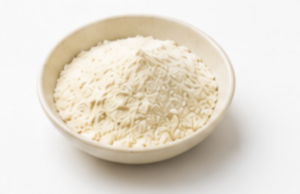
Flowers are prepared as dried herbal infusions, tinctures or dietary supplements; powdered extracts are commonly dosed from about 270 to 800 mg/day depending on the product. Traditional and investigational uses include support for certain skin concerns, mucosal inflammation and drainage‑related detoxification, but effects vary by individual. Wild Pansy supplements are not recommended for pregnant or breastfeeding people, children or where extensive skin wounds are present; potential interactions (for example with antihypertensive drugs) should be discussed with a healthcare professional.
At a Glance
Wild Pansy is a small annual or biennial herb in the genus Viola, recognised for its three‑coloured flowers and traditionally harvested for its flowers between March and October.
Its dried flowers contain salicylic acid, flavonoids and tannins and are used in infusions, tinctures and supplements for detoxifying and anti‑inflammatory purposes. Effects and tolerability vary by individual; consult a healthcare professional if uncertain.
| Common name |
|
|---|---|
| Scientific name | Viola tricolor |
| Plant family | Violaceae |
| Origin | Europe and Asia |
| Parts used | Flowers |
| Active compounds |
|
| Main benefits |
|
| Available forms |
|
Origin & History
Wild Pansy (Viola tricolor) originates from Europe and Asia and typically grows wild on forest margins, in meadows and on moorland with acidic or neutral soils; it is also adaptable to coastal and mountainous areas. The plant is an annual or biennial that commonly reaches about 20 centimetres and flowers between March and October, with the colourful white, yellow and purple blooms harvested for both ornamental and therapeutic uses.
Historically, herbalists recommended Wild Pansy for certain pulmonary and skin conditions. Used in traditional herbals and valued as an ornamental, the species has a long role in folk and clinical herb practice; dried flowers have been prepared as infusions, tinctures and supplements for their reported anti‑inflammatory and detoxifying properties, though uses and effects may vary by individual and professional advice is recommended.
Composition & Active Compounds
Wild Pansy is a low, herbaceous plant with distinctive tricolour flowers—white, yellow and purple—whose blooms are harvested and dried for use in herbal preparations. Its chemical profile includes mucilage, gums and resins, phenolic acids (notably salicylic acid), flavonoids such as rutoside (rutin) and violaquercetin, tannins, carotenoids, coumarins, saponosides, cyclotides, tocopherols (vitamin E) and mineral salts of calcium and magnesium; these constituents together help define the herb’s traditional functional roles by contributing antioxidant, anti‑inflammatory or textural properties. The dried flowers are the part most commonly used in supplements and herbal preparations.
- Salicylic acid: phenolic acid structurally related to acetylsalicylic acid, linked to anti‑inflammatory effects in laboratory studies.
- Flavonoids (rutoside, violaquercetin): polyphenols with antioxidant properties that may modulate inflammatory pathways.
- Tannins: polyphenolic compounds with astringent properties that can affect skin and mucous membranes.
- Mucilage: polysaccharide material that contributes to the texture of preparations and may soothe mucous surfaces.
- Gums and resins: complex plant exudates that influence consistency and stability of extracts.
- Carotenoids: pigmented compounds with antioxidant potential, contributing to flower colour.
- Coumarins: aromatic compounds present in many plants with varied biological activities.
- Saponosides (saponins): surface‑active glycosides found in many herbs.
- Cyclotides: small cyclic peptides characteristic of the Violaceae, of interest in phytochemical research.
- Vitamin E (tocopherols): lipid‑soluble antioxidants.
- Calcium and magnesium salts: mineral salts present in plant tissues.
Properties & Effects
Wild Pansy is traditionally known for its cleansing and anti‑inflammatory uses, with dried flowers prepared as infusions, tinctures or supplements. Its traditional applications span skin, respiratory and drainage‑related uses, though effects may vary between individuals.
- Detoxifying: may support elimination of excess fluids and promote drainage to assist removal of bodily wastes.
- Anti‑inflammatory: Research suggests it may support reductions in local inflammation, particularly in skin and mucous membranes.
- Dermatological support: traditionally used for various skin complaints and may help purify the skin and regulate excess sebum.
- Respiratory support: may be used during inflammation of the respiratory tract mucosa, especially when hypersecretion is present.
- Joint support: may support relief of inflammatory joint discomfort such as rheumatic pain or gout attacks.
- Circulatory support: may be of interest for symptoms related to varicose veins and haemorrhoidal episodes.
- Urinary support: traditionally used for certain inflammatory urinary conditions and may help their management.
- UVB inflammation: research suggests it may help counteract inflammation caused by excessive UVB exposure.
Dosage & How to Use
Typical dosing information for Wild Pansy relates to its use in powdered dietary supplements.
| Dietary supplement |
|
|---|
Safety, Side Effects & Contraindications
Certain people should avoid Wild Pansy or use it only under medical supervision. Supplements based on Wild Pansy are not recommended for pregnant or breastfeeding people and are not advised for children; topical or oral use is contraindicated where there is extensive skin disease or an open wound. Reported side effects have been limited and no major adverse effects are widely documented, but individual responses can vary.
Wild Pansy may interact with some antihypertensive medications, so people receiving treatment for high blood pressure should consult a healthcare professional before using this herb. When in doubt, seek personalised medical or pharmacy advice, particularly if taking other medicines or managing chronic health conditions.
- Pregnancy and breastfeeding: not recommended for use during pregnancy or while breastfeeding.
- Children: supplements based on Wild Pansy are not recommended for children.
- Extensive skin lesions or open wounds: avoid use where widespread dermatological conditions or open wounds are present.
- Drug interactions: may interact with some antihypertensive drugs; consult a prescriber or pharmacist if treated for hypertension.
Not recommended for pregnant or breastfeeding people, children, or where extensive skin wounds exist; may interact with antihypertensive drugs—consult a healthcare professional before use.