
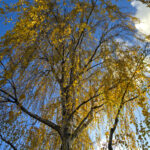
Birch
A traditional diuretic and depurative used to support fluid elimination.
Birch is a slender deciduous tree, commonly referenced as Betula pubescens or Betula alba, native to much of Europe and capable of growing on nutrient-poor soils. The species typically reaches 20–30 meters, with diamond-shaped leaves and often pubescent (finely haired) branches; traditional herbal preparations use leaves, bark, sap and buds sourced from members of the Betulaceae family.
Preparations of birch have a long history as diuretic, depurative and antirheumatic remedies, and phytochemical analyses identify constituents such as betulinic acid, methyl salicylate, monotropitoside, flavonoids, tannins, vitamin C and potassium. Extracts and traditional formulations (infusions, sap, tinctures and capsules) are associated with diuretic and anti-inflammatory activity in research, but uses and effects may vary by individual. Precautions include avoiding use in cases of water restriction, certain cardiac or renal conditions, pregnancy, and by people with birch pollen hypersensitivity; adverse reactions reported include gastrointestinal upset and allergic skin or respiratory responses.
At a Glance
Birch is a hardy deciduous tree native to much of Europe, adapted to nutrient-poor soils and recognized by its thin branches and diamond-shaped leaves.
Traditional herbal preparations use leaves, bark, sap and buds and emphasize diuretic, depurative and antirheumatic applications. The plant contains triterpenes, salicylates, flavonoids and tannins and is supplied as infusions, syrups, juices and standardized extracts.
| Common name |
|
|---|---|
| Scientific name |
|
| Plant family | Betulaceae |
| Origin | Europe |
| Parts used |
|
| Active compounds |
|
| Main benefits |
|
| Available forms |
|
Origin & History
Birch is native to much of Europe and is well adapted to northern and subarctic habitats, tolerating nutrient-poor soils and very low temperatures. Several birch species populate mixed woodlands, open moorlands and edge habitats across the cooler parts of the northern hemisphere.
Since the Middle Ages, birch sap has been harvested and consumed in parts of northern and eastern Europe as a seasonal beverage and was traditionally used in folk practice to address urinary calculi and related complaints. Bark, wood and sap have served practical roles in carpentry, as a paper substitute and as bases for traditional beverages such as birch wine, while leaves, buds and bark have longstanding uses in regional herbal traditions; uses and effects may vary by individual.
Composition & Active Compounds
Birch is a slim deciduous tree with thin, often pubescent branches and diamond-shaped leaves that change from light green to yellow-orange in autumn. Its tissues—particularly bark, leaves, buds and sap—contain a mix of triterpenes, salicylates, flavonoids, tannins, vitamin C, potassium and various phenolic compounds, which together define the plant’s phytochemical profile; uses and effects may vary by individual.
The bark, rich in triterpenes such as betulin and betulinic acid, is a primary material used in standardized supplements.
- Betulinic acid: a triterpene found in birch bark associated with the plant’s triterpenoid fraction.
- Betulin: a triterpenic constituent common in bark and a characteristic marker of birch saponosides.
- Methyl salicylate: an aromatic salicylate present in plant tissues, implicated in the herb’s salicylate content.
- Monotropitoside: a glycoside reported among birch’s specific secondary metabolites.
- Flavonoids: a group of polyphenols (e.g., hyperoside, quercitrin) contributing to antioxidant and phenolic activity.
- Tannins: phenolic polymers present in bark and leaves that influence astringency and bioactivity.
- Vitamin C: an antioxidant vitamin found particularly in buds and young leaves.
- Potassium: a mineral plentiful in sap and plant tissues, contributing to the mineral profile.
- Phenolic acids: smaller phenolic compounds forming part of the plant’s polyphenol spectrum.
Properties & Effects
Birch has a longstanding role in herbal traditions as a plant used to promote fluid elimination and to support joint and soft-tissue comfort. Preparations from leaves, bark, buds and sap are associated with diuretic, depurative and anti-inflammatory uses.
The most well-documented use of birch is as a diuretic to support fluid elimination.
- Diuretic: Research and traditional use suggest birch may support increased urine output and reduction of fluid retention.
- Depurative: Traditionally used to support the body’s natural elimination processes and general cleansing routines.
- Antirheumatic: Traditionally used as an adjunct to support comfort in rheumatic or arthritic conditions.
- Anti-inflammatory: Extracts of leaves and bark may support a reduction in inflammatory responses.
- Antihypertensive: Some sources report birch preparations may help support healthy blood pressure in certain contexts.
Dosage & How to Use
Common traditional dosing guidance and supplement recommendations are summarized below.
| Diuretic |
|
|---|---|
| Depurative |
|
Safety, Side Effects & Contraindications
Birch preparations are not appropriate for everyone; people with certain fluid‑management or organ conditions should avoid use or consult a healthcare professional. The plant’s diuretic activity can increase urine output, so caution is advised where fluid restriction or careful fluid balance is required.
Reported adverse effects include gastrointestinal upset (nausea, vomiting, diarrhea) and allergic reactions such as skin rashes or rhinitis; rare reports note numbness, morning lethargy or muscle stiffness. Uses and effects may vary by individual, and caution is recommended when combining diuretic herbal products with medical treatments that affect hydration or electrolyte balance.
- Water restriction: Avoid if fluid intake must be limited due to medical advice.
- Cardiac disease: Not recommended for people with heart conditions.
- Renal disease: Not recommended for people with kidney disorders.
- Pregnancy: Avoid use during pregnancy.
- Birch pollen hypersensitivity: Hypersensitivity to birch pollen contraindicates use of birch‑based supplements.
Avoid use if you have fluid‑restriction needs, cardiac or renal disease, pregnancy, or birch pollen allergy; consult a healthcare professional before use.