Stress & Anxiety

  • St. John’s Wort

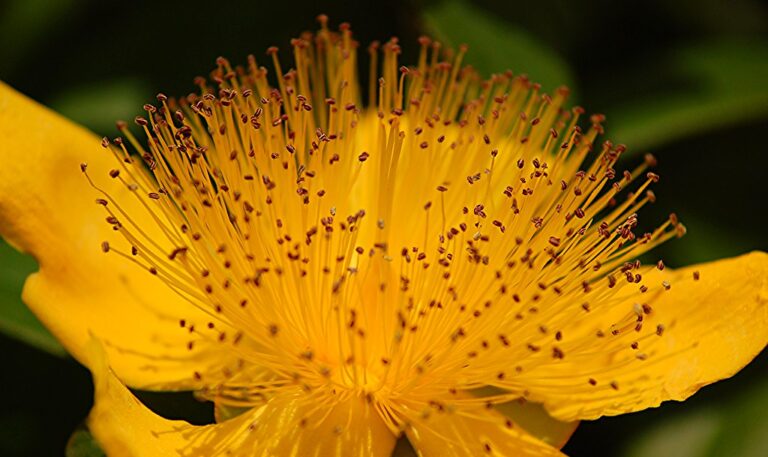
    St. John’s Wort is a flowering herb traditionally used for low mood and certain menopausal complaints, and its oil macerate is applied topically for minor wounds and burns. Clinical studies support benefits for mild to moderate depressive symptoms in some people, but responses vary individually.
  • Sage

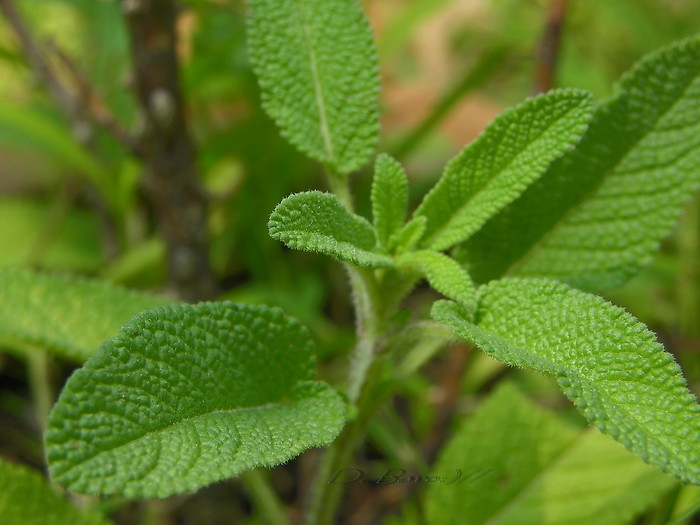
    Sage is an aromatic Mediterranean herb used for centuries for its tonic, antioxidant and anti-infectious qualities, with leaves and flowers commonly used in herbal preparations. It is also studied for relaxing, anxiolytic effects and for relieving certain menstrual and menopausal symptoms.

  • Rosewood

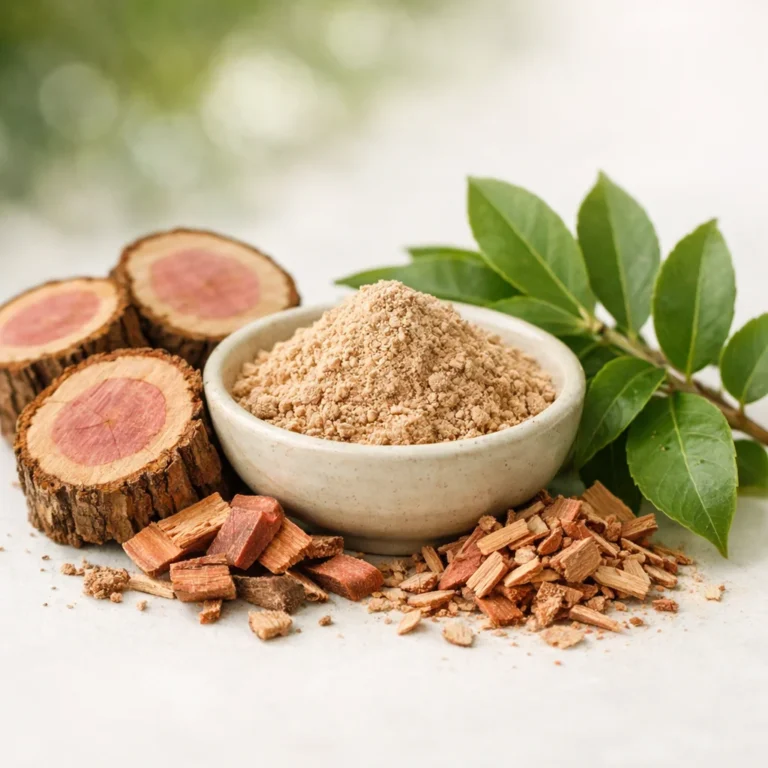
    Rosewood produces a fragrant essential oil distilled from heartwood and is widely used in perfumery, aromatherapy and topical skincare. Its floral-woody oil is valued for skin-soothing and calming aromatic qualities. Wild stocks have been overexploited, so sustainable sourcing and conservation are increasingly emphasized.

  • Saffron

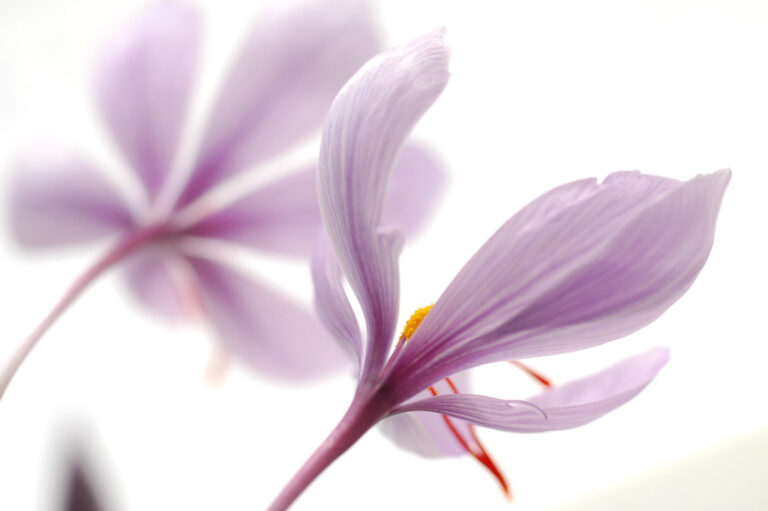
    Saffron’s dried red stigmas are prized for color, aroma and traditional therapeutic uses across cultures. Harvested by hand, the spice contains crocin, crocetin, picrocrocin and safranal linked to mood, antioxidant and anti-inflammatory effects. Individual responses vary; follow recommended doses and precautions.

  • Rhodiola

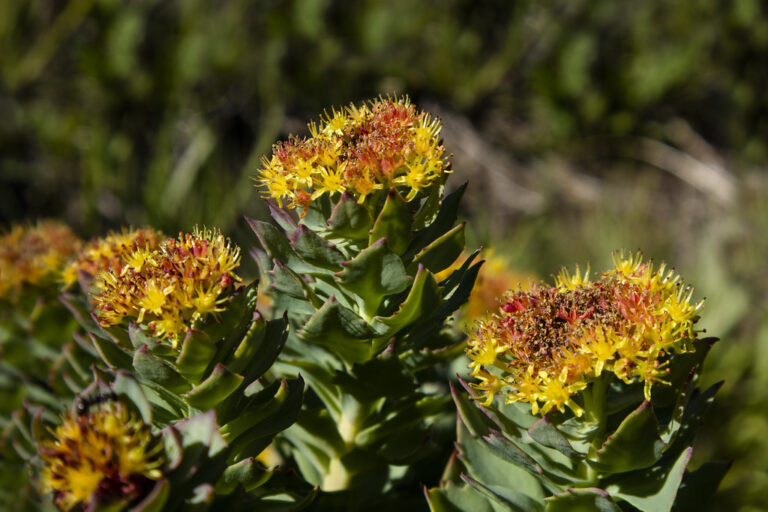
    Rhodiola is a hardy northern‑rooted herb traditionally used to support resilience to stress, reduce fatigue and support mental and physical stamina. Standardized root extracts (often checked for rosavins and salidroside) are used in supplements at commonly cited doses of 100–300 mg per day.

  • Passionflower

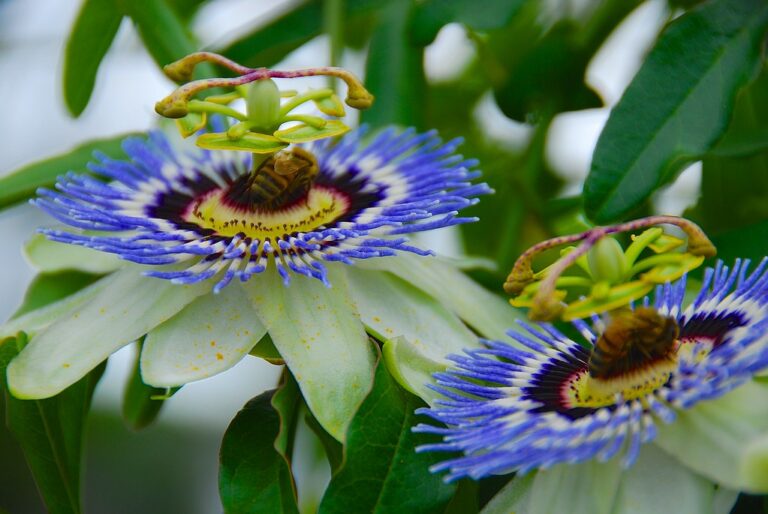
    Passionflower is a climbing vine whose leaves and flowers have long been used to calm nervous tension and support sleep. Traditional and preliminary clinical data suggest potential calming and sedative effects, though individual responses vary. It is commonly taken as an infusion, extract or capsule.

  • Passion Fruit

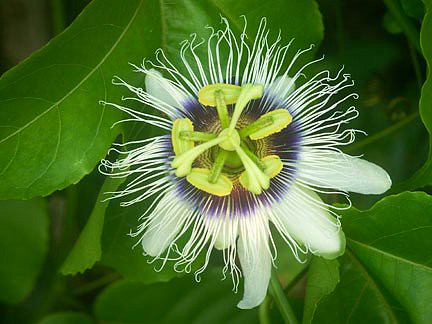
    Passion Fruit is a tropical vine valued for its aromatic pulp and traditionally used leaves. Extracts are noted for flavonoids, glycosides and harmane alkaloids that relate to relaxation and antioxidant activity. Traditional use and some research suggest it may support mild anxiety relief and sleep quality.

  • Mulungu

    Mulungu is a South American Erythrina tree used traditionally for calming the nervous system and supporting restful sleep. It is valued for sedative and anxiolytic effects attributed to erythrina alkaloids and flavonoids, though individual responses and safety data are limited.

  • Lemon Verbena

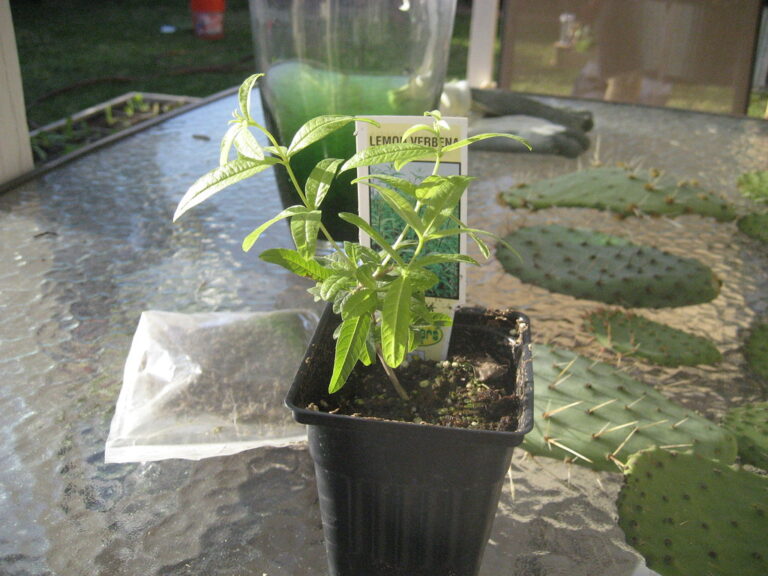
    Lemon Verbena’s pale-yellow essential oil, distilled from berries and leaves, is prized for its bright lemon aroma and aromatic uses in perfumery and aromatherapy. Its scent is traditionally used to promote relaxation and to help purify indoor air. Use effects vary by individual.

  • Lemon Balm

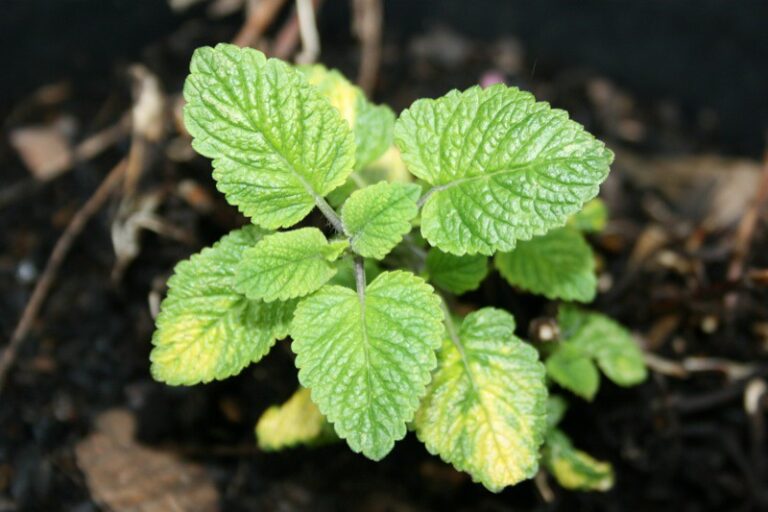
    Lemon balm is an aromatic perennial traditionally used for nervous tension and digestive discomfort, available as teas, extracts and topical products. Leaves are rich in rosmarinic acid and essential oils linked to calming and antioxidant effects. Individual responses vary; follow product instructions.

  • Kudzu

    Kudzu (Pueraria montana) is an East Asian climbing legume used for its starchy root and flavonoid-rich leaves and flowers in culinary and traditional remedies. Research suggests kudzu extracts may support antioxidant activity and have been studied for effects on alcohol and tobacco cravings, though individual responses vary.

  • Hawthorn

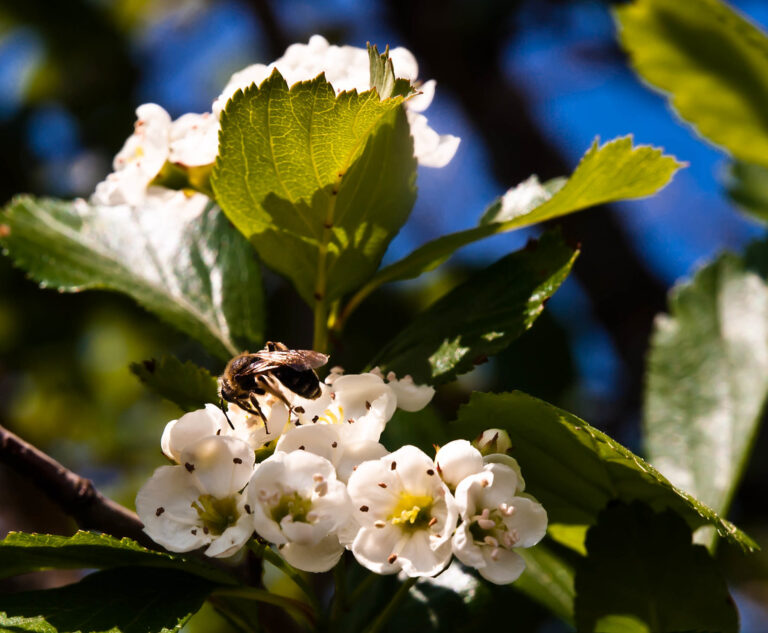
    Hawthorn is a spiny shrub whose aromatic flowers and flowering tops are used in herbal preparations for calming effects and traditional cardiovascular support. Its extracts are rich in flavonoids and proanthocyanidins and individual responses can vary, so follow label guidance and seek professional advice when needed.