
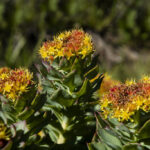
Rhodiola
An adaptogenic root used to support stress resilience and reduce fatigue.
Rhodiola (Rhodiola rosea) is a perennial herb native to northern Eurasia, especially Siberia, valued for its robust, rose‑scented root. Classified as an adaptogen, root extracts have a long history of use to support resilience to stress and to address fatigue, and have been investigated for potential benefits on mood and cognitive performance.
Commercial preparations typically appear as root powder, fresh‑plant extracts or dried standardized extracts; common quality markers are ~3% rosavins and 0.8–1% salidroside, with typical supplemental doses reported in the 100–300 mg per day range divided into morning and early‑afternoon intakes. Product quality and individual responses vary, so uses and effects may differ from person to person.
At a Glance
A perennial shrub from high northern mountains, Rhodiola is prized for its robust, rose‑scented root used in traditional and modern herbal preparations.
Classified as an adaptogen, it is used to support stress resilience, reduce fatigue and to support mood and cognitive and physical performance.
| Common name |
|
|---|---|
| Scientific name | Rhodiola rosea |
| Plant family | Crassulaceae |
| Origin | Northern Eurasia (Siberia) |
| Parts used | Root (rhizome) |
| Active compounds |
|
| Main benefits |
|
| Available forms |
|
Origin & History
Rhodiola grows naturally in cold, high‑altitude and arctic regions of the northern hemisphere, including Siberia, Scandinavia, Iceland and Alaska. The perennial forms low shrubs with pale, aromatic roots that are collected for traditional medicinal use.
Its roots have been used across Eurasian and northern Atlantic cultures for centuries, appearing in ancient herbal writings and in folk practices among Russian, Ukrainian and Scandinavian communities. Ancient texts such as Dioscorides’ Materia Medica mention Rhodiola, and folklore records Vikings brewing the root to increase courage and physical strength. The species is now cultivated in several regions and appears in modern herbal formularies; uses and effects may vary between individuals.
Composition & Active Compounds
Rhodiola produces compact shrubs with bright pink flower buds in spring, yellow summer blooms and a pale, aromatic root that smells faintly of rose; the root is the primary source of bioactive constituents. Its chemical profile is rich in phenylpropanoid glycosides, phenylethanol derivatives, flavonoids, monoterpenes, phenolic acids and some triterpenes, which are the compounds most studied for supplement standardization and phytochemical characterization. Salidroside and rosavins in the root are primary markers used to standardize Rhodiola supplements.
- Rosavin: a phenylpropanoid glycoside and one of the rosavin group used as a standardization marker
- Rosarin: a member of the rosavin family of phenylpropanoid glycosides
- Rosin: another phenylpropanoid glycoside within the rosavin group
- Salidroside: a phenylethanol glycoside commonly measured in extracts
- Tyrosol: a phenylethanol derivative related to salidroside
- Rosiridol: a monoterpene found in Rhodiola root
- Rosaridin: a monoterpene derivative present in the root
- Chlorogenic acid: a phenolic acid occurring in the root
- Daucosterol: a triterpene glycoside reported in the plant
- Beta-sitosterol: a plant sterol found among the root constituents
Related Herbs
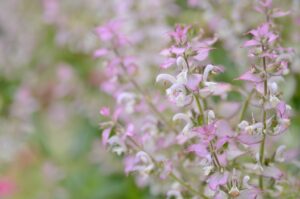
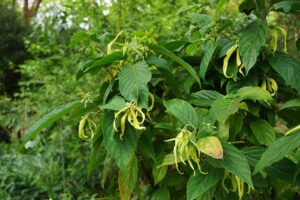
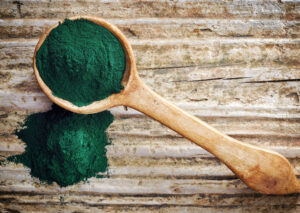
Properties & Effects
Traditionally valued as an adaptogenic root and tonic, Rhodiola has been used to support resilience, reduce fatigue and help maintain mental and physical performance in demanding conditions.
Rhodiola is most widely recognised for its adaptogenic role in supporting resilience to physical and emotional stress.
- Stress resilience: May support the body’s ability to cope with physical and psychological stress.
- Mood support: Research suggests it may help improve low mood and transient depressive symptoms.
- Reduced fatigue: Traditionally used as a tonic to reduce feelings of tiredness and increase energy.
- Physical performance: May support endurance and recovery during or after strenuous exercise.
- Cognitive performance: May help maintain concentration, memory and mental stamina in demanding tasks.
- Sexual function: Traditionally used to support sexual vigour and related complaints in some folk practices.
- Anti-inflammatory activity: Some research suggests it may exert anti-inflammatory effects.
- Blood sugar regulation: Research indicates potential for modest effects on blood glucose regulation.
- Immune modulation: Some studies suggest it may have immunomodulatory actions.
- Potential anti‑aging effects: Preliminary research proposes possible roles in cellular resilience and aging-related pathways.
Dosage & How to Use
Typical dosing guidance for standardized Rhodiola root extracts as reported in product literature and quality standards.
| Standardized extract |
|
|---|---|
| Typical dose |
|
Safety, Side Effects & Contraindications
Certain groups should avoid Rhodiola or seek medical advice before using it. Extracts are generally well tolerated at recommended doses and no major adverse effects have been reported in that context; however, because Rhodiola can act as a stimulant, it may interfere with sleep if taken in the evening.
The provided guidance lists specific contraindications and cautions; anyone on ongoing medical treatment should consult a healthcare professional before starting Rhodiola to check for potential interactions or contraindications. Uses and effects may vary between individuals.
- Pregnancy and breastfeeding: Contraindicated; avoid use during pregnancy and lactation.
- Children: Contraindicated; not recommended for paediatric use.
- Bipolar disorder: Contraindicated; use may be inappropriate for people with bipolar conditions.
- Diabetes: Contraindicated; avoid use in people with diabetes due to potential effects on blood glucose.
- Liver disease: Contraindicated; avoid use with existing hepatic disease.
- Nighttime use: May cause sleep disturbances; avoid taking before bedtime.
- Concurrent medical treatment: Consult a healthcare professional if taking any prescribed medicines or undergoing treatment.
Avoid use during pregnancy or breastfeeding, in children, and with bipolar disorder, diabetes or liver disease; consult a healthcare professional before use, especially if taking medications or managing chronic conditions.