
Energy & Vitality

  • Yerba Mate

    Yerba Mate is a South American leaf infusion prized for stimulant and diuretic effects and used traditionally to reduce fatigue and support weight-management efforts. Its activity is largely linked to caffeine and other leaf constituents, and individual responses and tolerability can vary.
  • Vitamin B12

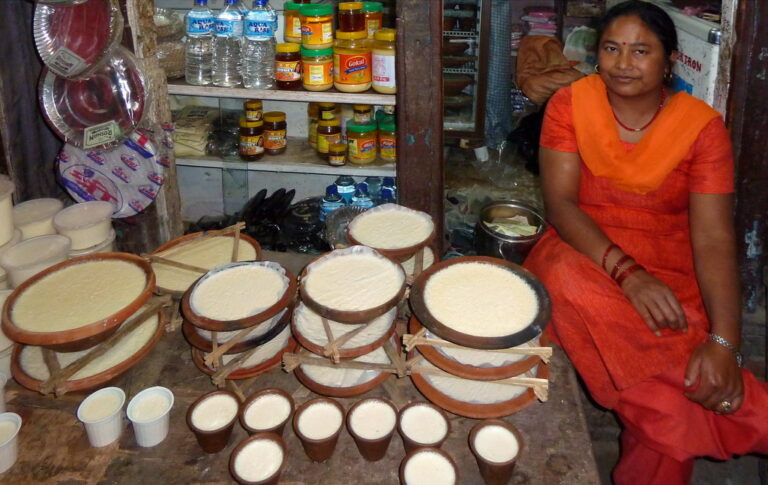
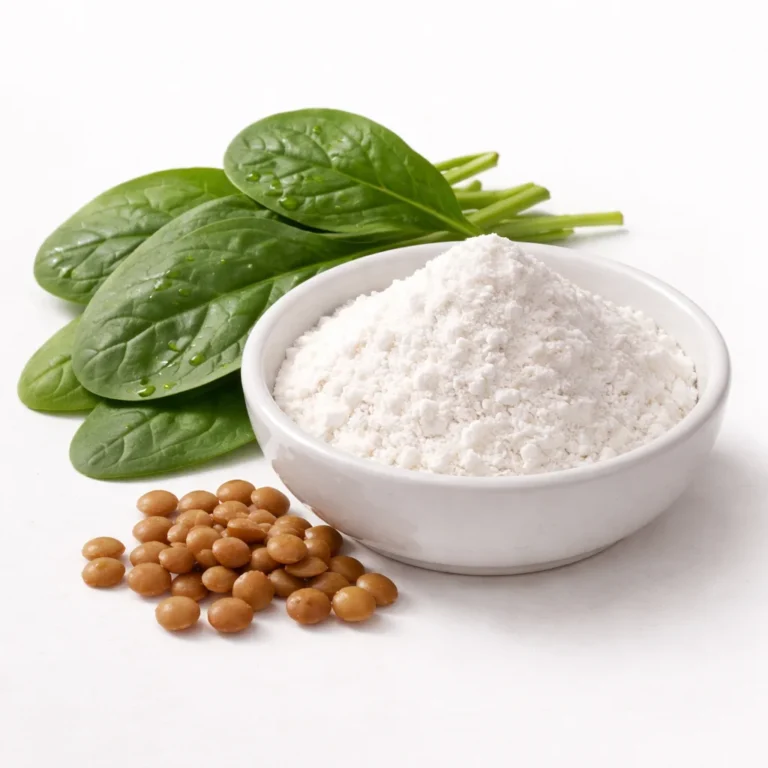
    Vitamin B12 is a group of cobalt-containing, water-soluble cobalamins important for red blood cell production, DNA synthesis and nervous system maintenance. Supplemental forms include methylcobalamin, adenosylcobalamin, hydroxocobalamin and cyanocobalamin and are available as tablets, capsules, powders, liquids and injectable preparations for people with low dietary intake.

  • Vitamin B9

    Essential for DNA synthesis and healthy red‑cell formation, Vitamin B9 supports tissue growth, energy metabolism, nervous system function and amino acid production from dietary folates and supplemental forms. Particularly important in early pregnancy and for reducing fatigue linked to impaired blood cell production.

  • Vitamin C

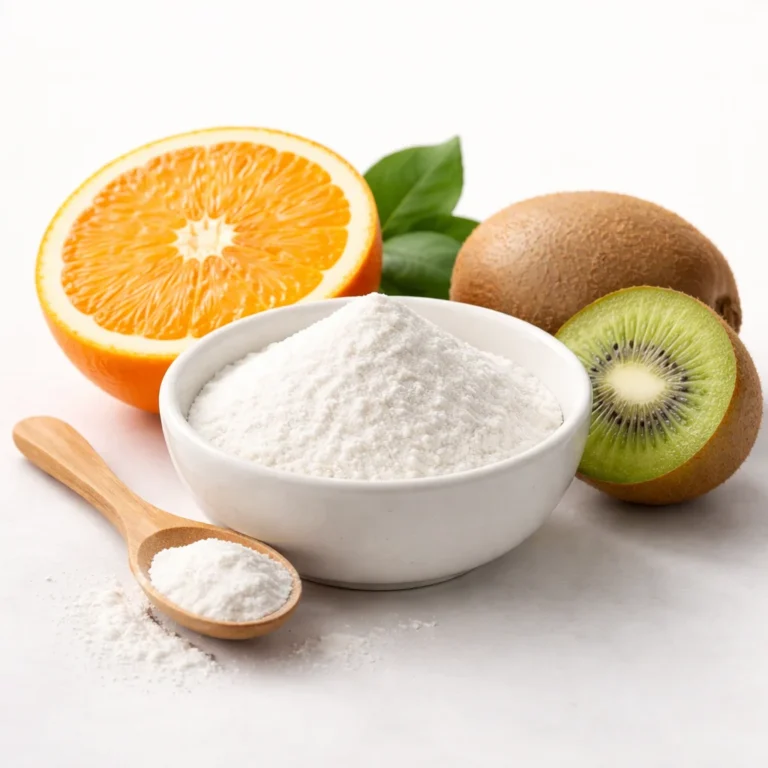
    Vitamin C is an essential water-soluble nutrient found in citrus, berries, peppers and leafy greens that supports collagen production, antioxidant defenses, and iron absorption. It contributes to tissue maintenance, daily vitality and the activity of immune cells, although individual responses to supplementation may vary.

  • Taurine

    Taurine is a non-protein amino acid present in the brain, retina and muscle and widely used in supplements and energy drinks to support vitality and physical performance. Clinical research suggests benefits for exercise performance and cardiovascular markers, but results are preliminary and individual responses vary.

  • Vitamin A

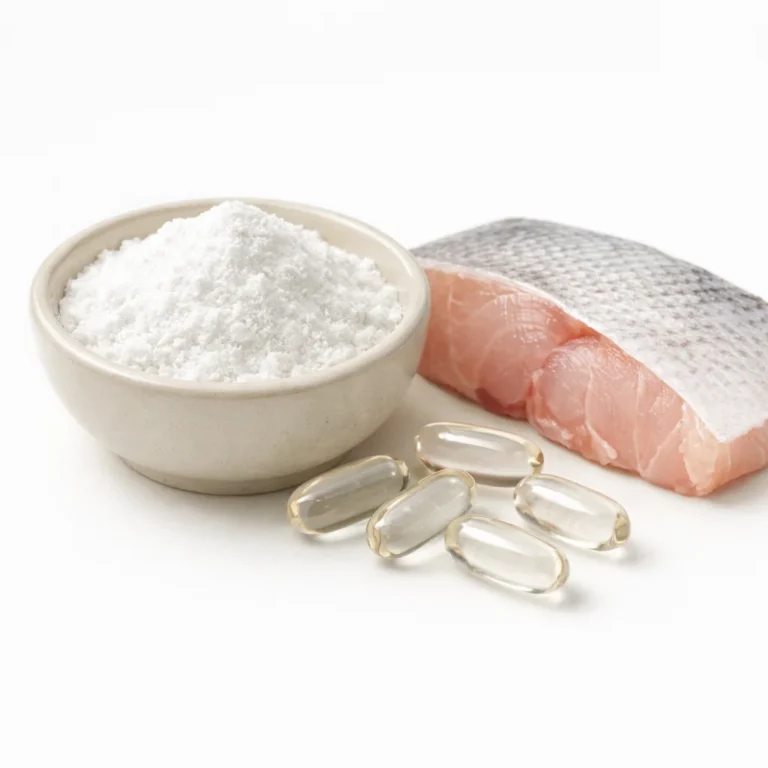
    Vitamin A is a fat‑soluble nutrient found in liver, fish oils, dairy, eggs and as provitamin A carotenoids in vegetables. It supports vision, skin integrity and immune cell function while being stored in the liver and adipose tissue. Excess supplemental intake may pose risks in pregnancy and for smokers.

  • Spirulina

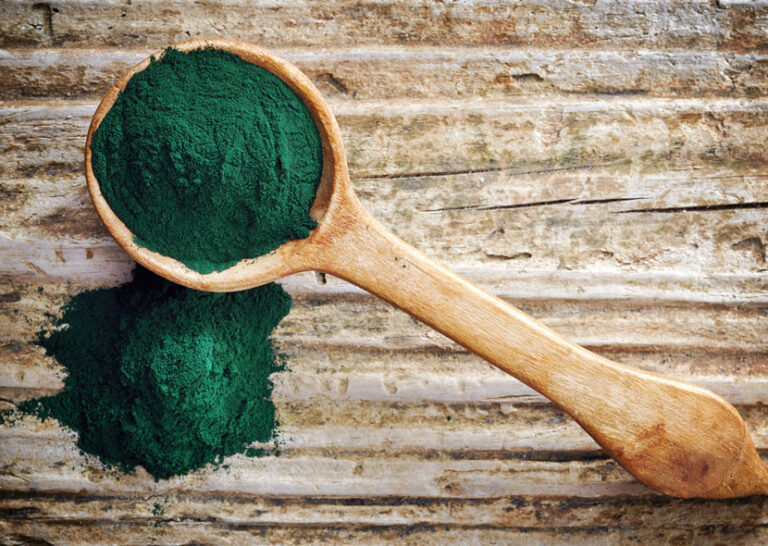
    Spirulina is a nutrient-dense blue-green microalga high in protein, vitamins, minerals and antioxidant pigments and commonly used as a dietary supplement for energy and recovery. Composition and nutrient content vary with source, so individual responses depend on product quality, purity and dosing.

  • Sage

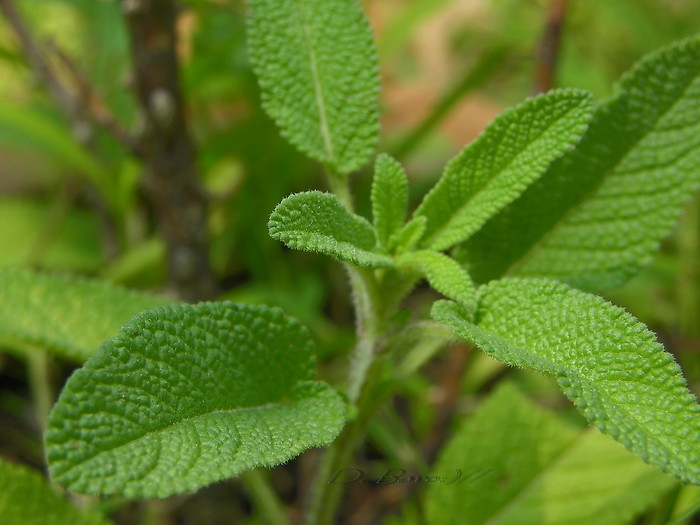
    Sage is an aromatic Mediterranean herb used for centuries for its tonic, antioxidant and anti-infectious qualities, with leaves and flowers commonly used in herbal preparations. It is also studied for relaxing, anxiolytic effects and for relieving certain menstrual and menopausal symptoms.

  • Saffron

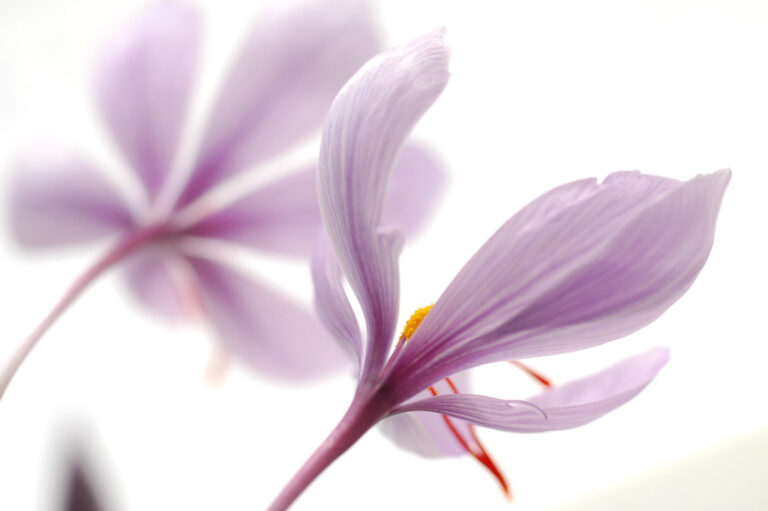
    Saffron’s dried red stigmas are prized for color, aroma and traditional therapeutic uses across cultures. Harvested by hand, the spice contains crocin, crocetin, picrocrocin and safranal linked to mood, antioxidant and anti-inflammatory effects. Individual responses vary; follow recommended doses and precautions.

  • Royal Jelly

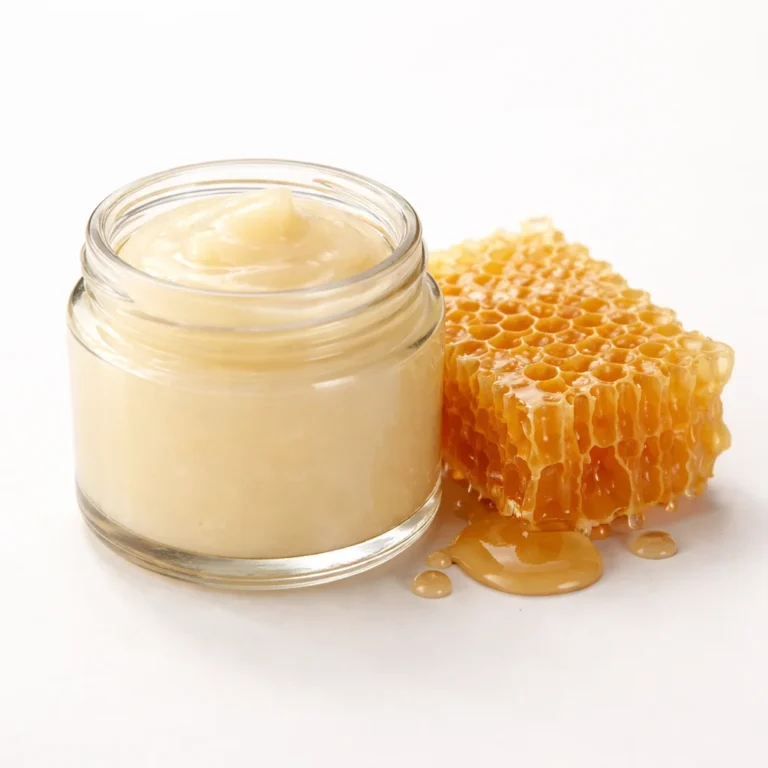
    Royal jelly is a concentrated bee secretion prized for its unique nutrient profile and historical use as a restorative tonic. Rich in the fatty acid 10-HDA and vitamin B5, it is commonly used as an energy-supporting supplement. Individual responses and quality vary.

  • Rhodiola

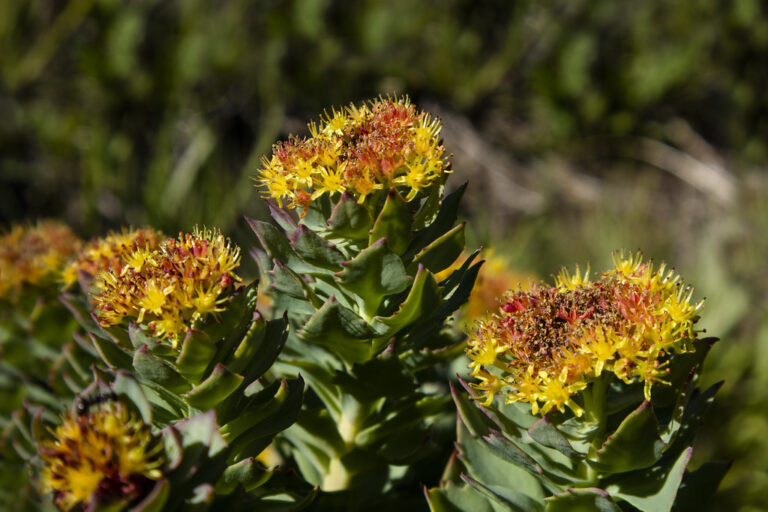
    Rhodiola is a hardy northern‑rooted herb traditionally used to support resilience to stress, reduce fatigue and support mental and physical stamina. Standardized root extracts (often checked for rosavins and salidroside) are used in supplements at commonly cited doses of 100–300 mg per day.

  • Reishi

    Reishi is a woody bracket fungus used for centuries in East Asia and provided as whole mushroom, powder and standardized extracts. It is principally noted for antioxidant and immunomodulatory activity and traditional use as a longevity tonic. Individual responses vary; consult a healthcare professional.