
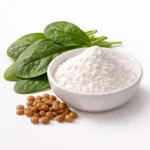
Vitamin B9
Supports healthy blood cell production and nervous system function.
Vitamin B9, commonly known as folate or folic acid, is a water‑soluble B vitamin involved in key metabolic pathways such as DNA and RNA synthesis, amino acid metabolism and the formation of red blood cells. It also supports nervous system function through its role in neurotransmitter production and is considered important for early fetal neural development.
Dietary folates are found in leafy green vegetables, legumes, certain animal foods and fortified products, while synthetic folic acid is available in supplements and medicinal forms (capsules, tablets, liquids or injectables). Recommended intake varies by age and physiological state—higher amounts are typically advised during pregnancy—and effects of supplementation can differ between individuals; consult a healthcare professional for personalised guidance.
At a Glance
A water-soluble B vitamin involved in DNA and RNA synthesis, amino acid metabolism and the formation of red blood cells.
It supports nervous system function and is particularly important during early pregnancy for neural development.
| Common name |
|
|---|---|
| Scientific name | pteroylmonoglutamic acid |
| Classification | Hydrosoluble vitamin |
| Origin |
|
| Parts used |
|
| Active compounds |
|
| Main benefits |
|
| Available forms |
|
Origin & History
Vitamin B9 occurs naturally in many plants and animal foods, especially leafy green vegetables, legumes, liver, egg yolk and brewer’s yeast. The nutrient was named folic acid from the Latin follium, meaning “leaf”, reflecting its abundance in green leaves; it has also been known historically as vitamin M before classification within the B vitamin group.
In the early twentieth century a British hematologist, Lucy Wills, described a severe anemia in pregnant women whose diets were poor in fruits and leafy greens, a discovery that helped point researchers to the nutrient now called vitamin B9. Since then folates have been isolated from liver and plant sources and incorporated into dietary and medicinal preparations; traditional and clinical uses have varied across regions, and effects of supplementation may differ between individuals.
Composition & Active Compounds
Vitamin B9 is a yellow crystalline, water‑soluble powder that is insoluble in organic solvents; its chemical scaffold is built from a pterin ring, a para‑aminobenzoic acid unit and one or more glutamic acid residues, commonly represented as pteroylmonoglutamic acid (C19H19N7O6). The pterin–para‑aminobenzoic acid–glutamate moiety (pteroylmonoglutamic acid) is the defining chemical structure of vitamin B9 and is central to supplemental forms.
- Pterin (pteridine): heterocyclic ring system forming the core of folate molecules.
- para‑Aminobenzoic acid: aromatic component linking the pterin ring to the glutamate residue.
- Glutamic acid: amino acid present as one or more glutamate units attached to the folate structure.



Properties & Effects
Vitamin B9 is traditionally known as a water‑soluble B vitamin associated with healthy blood formation, tissue growth and normal metabolic function.
Its most well-documented role is supporting the formation of healthy red blood cells and associated reductions in fatigue.
- Antifatigue: may help reduce tiredness by supporting healthy blood cell formation.
- Nervous system support: may support normal nervous system function and contribute to healthy fetal neural development when taken in early pregnancy.
- Protein synthesis: may support the body’s ability to synthesise certain amino acids and protein‑building processes.
- Circulation and metabolic support: may help maintain healthy blood flow and nutrient delivery to muscles, supporting normal energy metabolism.
Dosage & How to Use
Dosage recommendations for vitamin B9 vary by age and physiological state.
| Adults and adolescents (≥16 years) |
|
|---|---|
| Children |
|
| Pregnant women |
|
Safety, Side Effects & Contraindications
Caution is advised for specific populations when considering vitamin B9 supplementation. Individuals with certain blood or red‑cell disorders, young children and pregnant people require particular attention and oversight.
High intakes above 5 mg per day may be associated with gastrointestinal symptoms such as abdominal cramps or diarrhoea, skin rashes, sleep disturbances, mood changes and, in some cases, confusion; effects can vary between individuals and supplementation decisions should be discussed with a healthcare professional.
- Haematologic conditions: contraindicated in megaloblastic, pernicious or macrocytic anaemia.
- Children under 6 years: supplementation is contraindicated in this age group.
- Pregnancy: use should be under medical supervision.
May be contraindicated in certain blood disorders and children under six; high doses can cause adverse effects. Consult a healthcare professional before use, especially during pregnancy or if taking other medications or if blood disorders are present.