Supplement

  • Soy Lecithin

    Soy lecithin is a phospholipid-rich extract from soybean seeds, commonly used in supplements, emulsification and food formulations to support cell membranes and healthy lipid metabolism. It supplies phospholipids, choline and inositol, is available in capsules or tablets, and may support memory and cardiovascular health in some individuals.
  • Royal Jelly

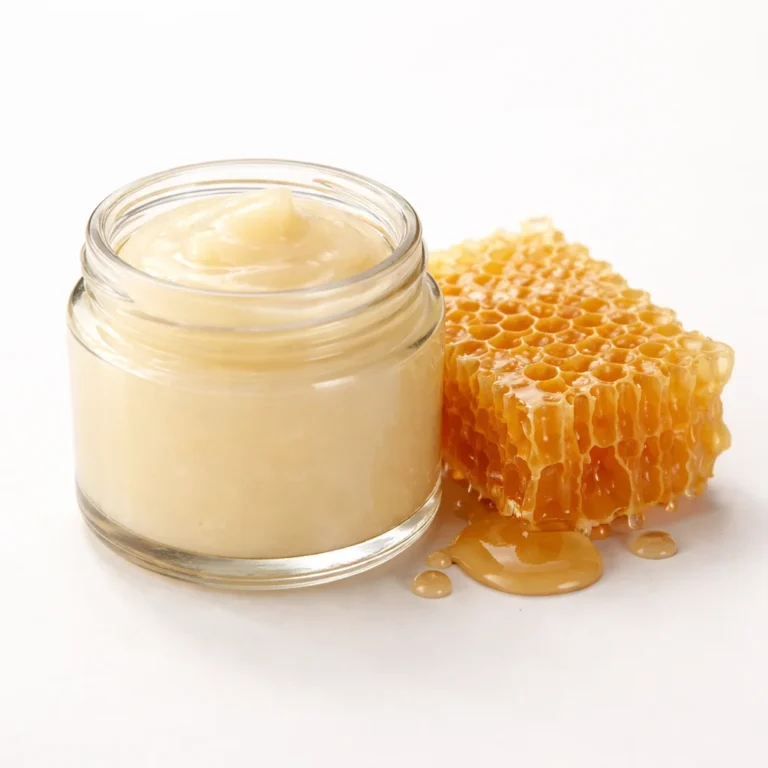
    Royal jelly is a concentrated bee secretion prized for its unique nutrient profile and historical use as a restorative tonic. Rich in the fatty acid 10-HDA and vitamin B5, it is commonly used as an energy-supporting supplement. Individual responses and quality vary.

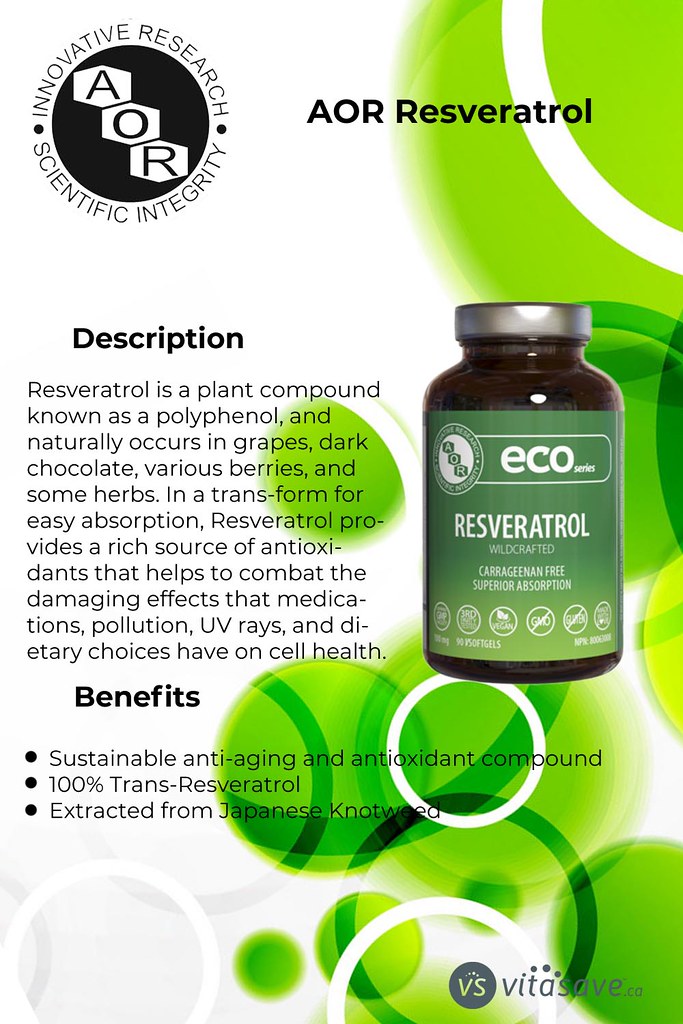
  • Resveratrol

    Resveratrol is a plant-derived polyphenol found in grape skins, seeds and knotweed, often standardized in supplements at about 100 mg per dose. It is chiefly valued for antioxidant and anti-inflammatory activity and interest in cardiovascular support. Consultation with a clinician is recommended before starting supplements.

  • Red Yeast Rice

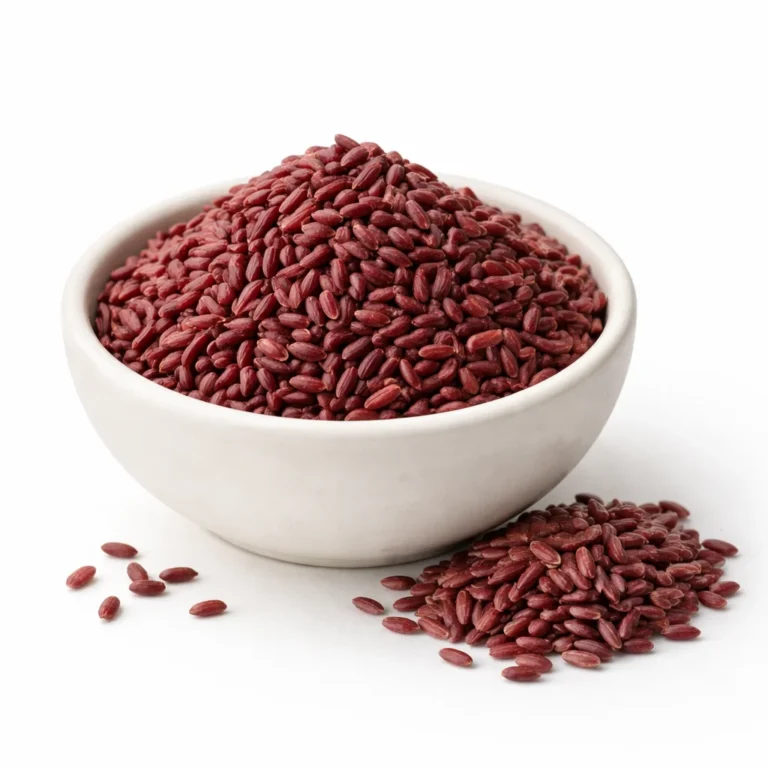
    Red Yeast Rice is a fermented rice product containing monacolins used in traditional Chinese practice and modern supplements for lipid management. Monacolin K is the primary active compound associated with cholesterol‑lowering effects. Product composition and safety vary; consult a clinician before use.

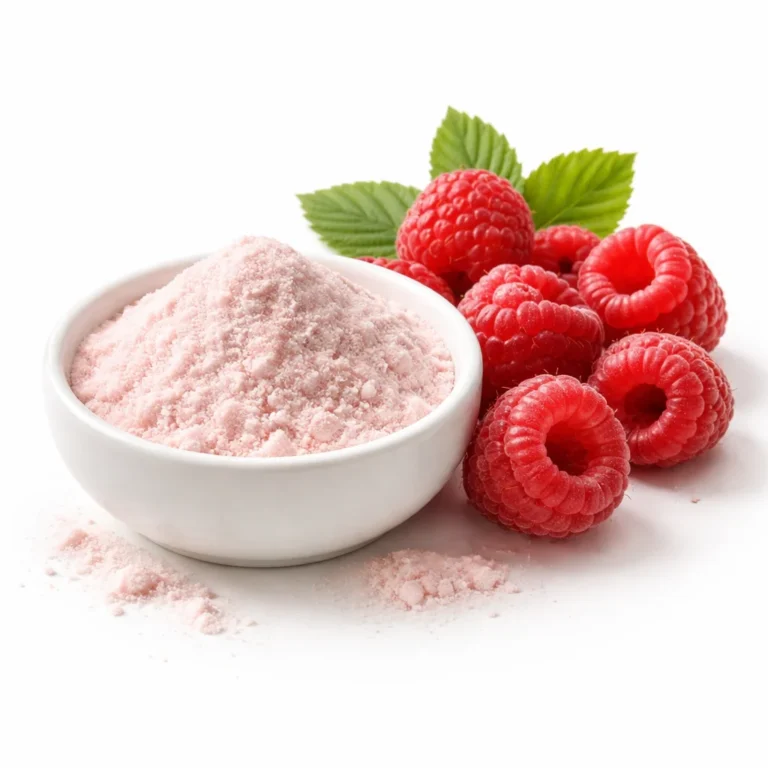
  • Raspberry Ketones

    Raspberry ketone is a raspberry-derived aroma compound sold as a weight-management supplement, backed mainly by laboratory and animal studies. Human evidence is limited and effects vary between individuals. Use capsule forms and respect the common 200 mg/day guidance while avoiding use if allergic.

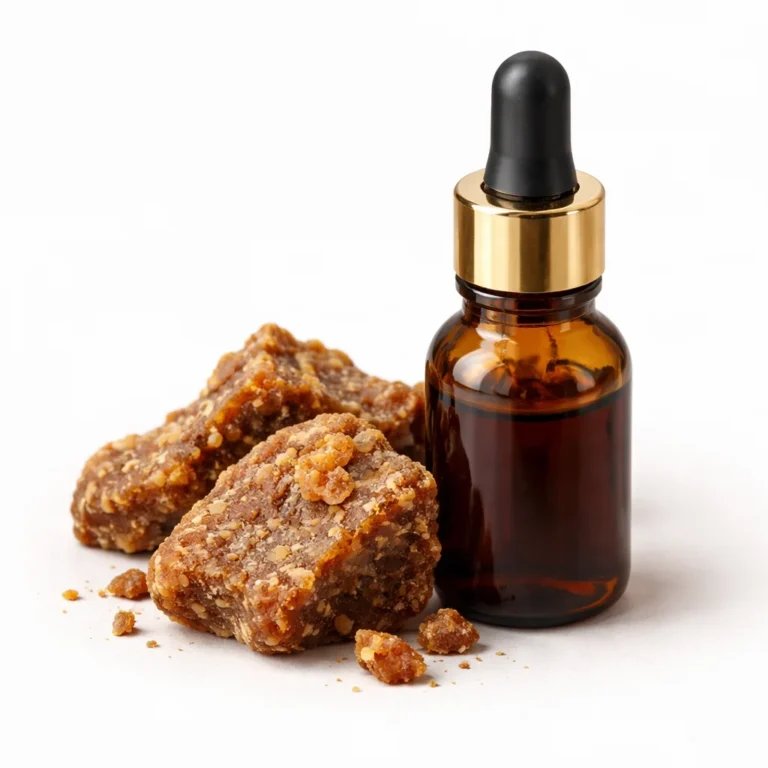
  • Propolis

    Propolis is a resinous bee product valued for its antimicrobial and wound-supporting properties and is sold as tinctures, lozenges and supplements. It is rich in flavonoids and phenolic compounds and is commonly used for minor oral and skin concerns. Use may vary by individual.

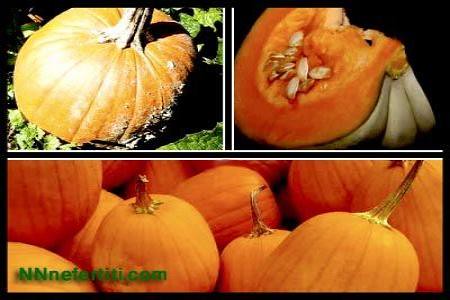
  • Pumpkin Seed

    Pumpkin seed oil concentrates unsaturated fatty acids, tocopherols and phytosterols and is used both as a food ingredient and a herbal supplement. Research has focused on its antioxidant properties and potential to support urinary comfort and prostate-related symptoms. Individual responses vary; consult a healthcare professional.

  • MSM

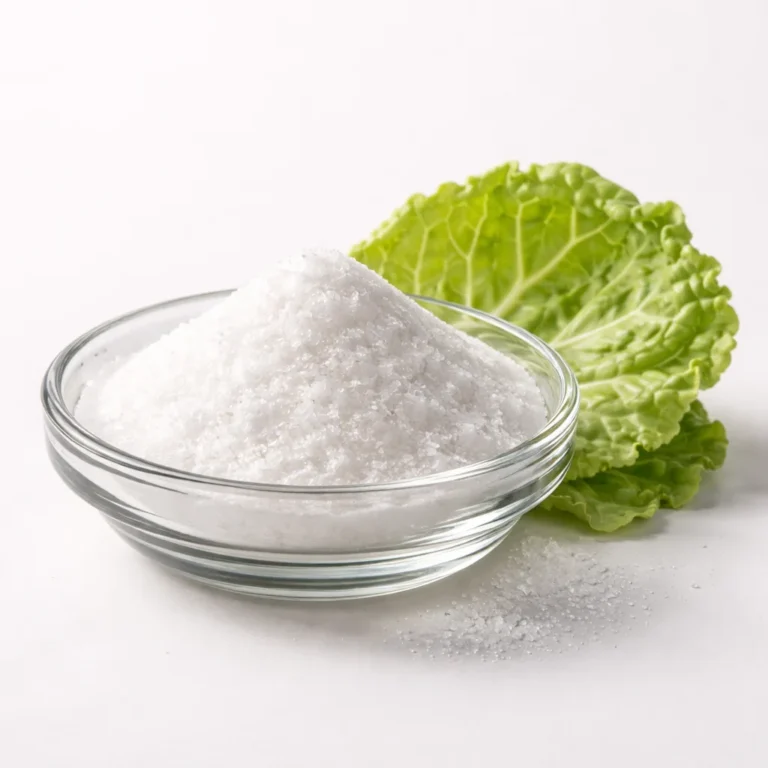
    MSM is a sulfur-containing supplement commonly used to support joint comfort and to address inflammatory symptoms. It is supplied as a white crystalline powder in capsules, tablets and topical creams and is generally well tolerated, though individual responses vary. Consult a healthcare professional for personalized advice.

  • Melanin

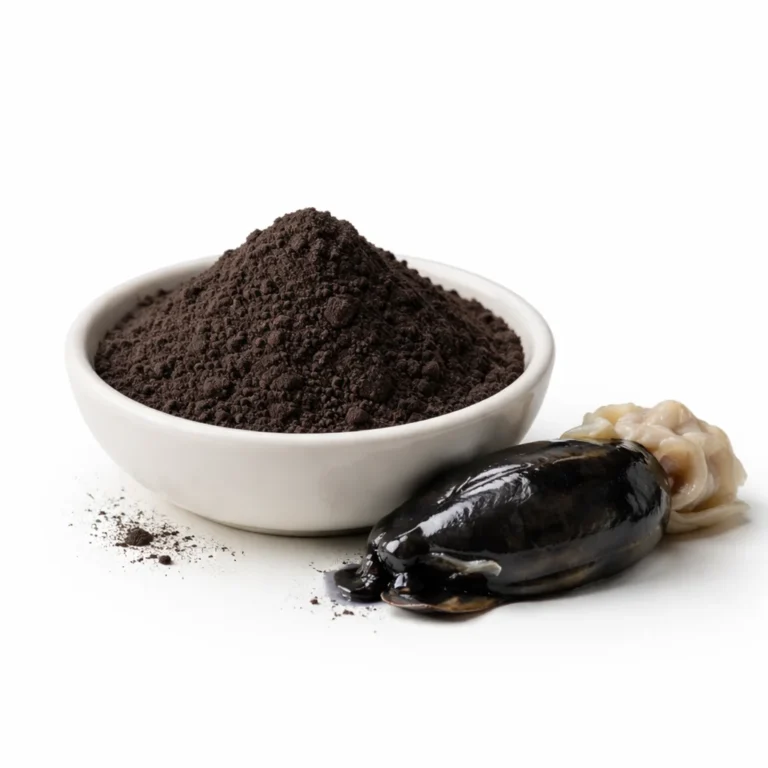
    Melanin is a natural pigment that contributes to skin, hair and eye colour and is used in supplements to increase pigment availability. Supplement formulations containing Mélaline® have been studied at 500 mg daily for 30 days to support pigmenting responses with UV exposure. Individual results may vary.

  • Melatonin

    Melatonin supplements are synthetic versions of the hormone produced by the pineal gland and are used to influence sleep timing and circadian alignment. Careful timing and dosing can shift sleep phase, but responses vary between individuals. Side effects and drug interactions are reported; consult a clinician.

  • Lutein

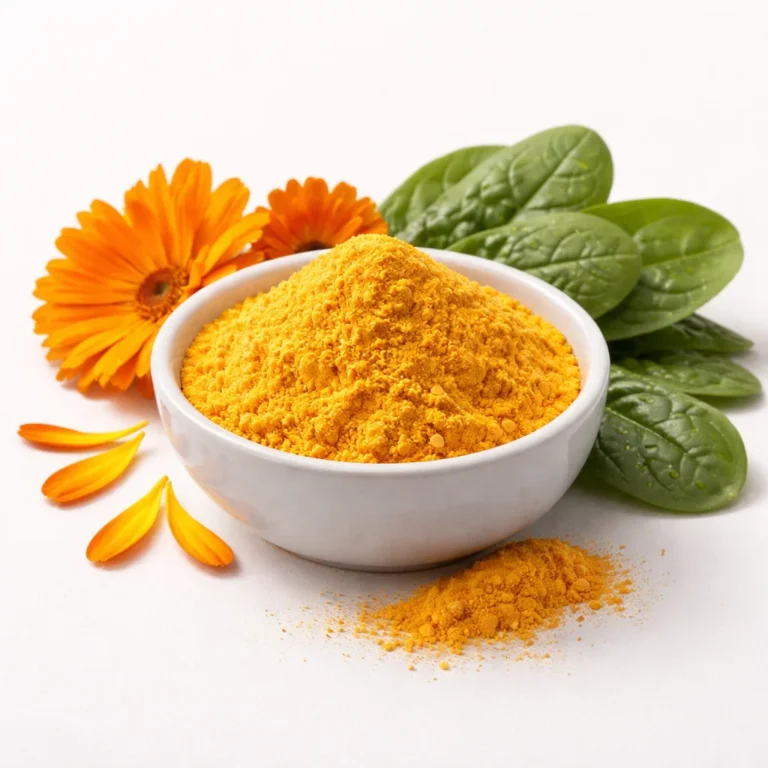
    Lutein is a yellow-orange carotenoid concentrated in the macula, obtained from dark leafy greens, corn and eggs. Supplemental lutein is associated with macular pigment support, blue-light filtering and antioxidant protection for the retina. Individual responses vary; consult a professional for personal advice.

  • Lactic Ferments

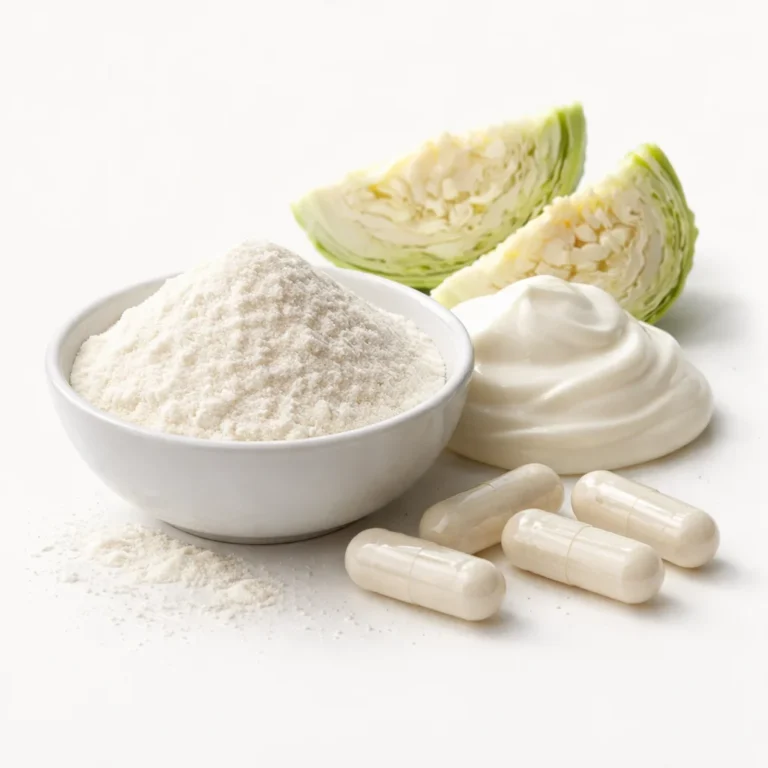
    Lactic ferments are probiotic microorganisms commonly used in fermented foods and supplements to support intestinal balance and digestive comfort. They are supplied as single strains or multi-strain blends and effects vary by species and product. Individual responses and dosing depend on strain and formulation.