
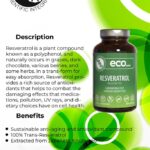
Resveratrol
A potent antioxidant polyphenol used for cardiovascular and cellular support.
Resveratrol is a naturally occurring polyphenol of the stilbene class, concentrated in the skins and seeds of grapes and found in other plants. The trans-resveratrol form is the most abundant and biologically active in nature and is associated with antioxidant and anti-inflammatory actions often discussed in the context of the “French paradox.”
Common sources include Vitis vinifera and Polygonum cuspidatum (Japanese knotweed), and the compound is widely available as a dietary supplement, frequently standardized to around 100 mg per dose. Scientific research explores possible cardiovascular, metabolic and neuroprotective effects, but uses and responses may vary by individual; consult a healthcare professional before starting resveratrol, especially in pregnancy, breastfeeding, childhood, hormone-sensitive cancer history, anticoagulant therapy or low blood pressure.
At a Glance
A polyphenolic stilbene, resveratrol is present in grape skins and seeds and occurs in other plants such as Japanese knotweed and certain Veratrum species.
Trans-resveratrol is the predominant, more active isomer; it is associated with antioxidant and anti-inflammatory activity and is marketed as concentrated dietary supplements, though individual responses may vary.
| Common name | Resveratrol |
|---|---|
| Scientific name | 3,5,4′-trihydroxy-stilbene |
| Origin |
|
| Parts used |
|
| Active compounds |
|
| Main benefits |
|
| Available forms |
|
Origin & History
Resveratrol is a naturally occurring stilbene polyphenol present in several plant species, including grape skins and seeds, Japanese knotweed and certain hellebore plants. It appears where plants synthesize polyphenols as part of their chemical defenses and is found in both cis and trans isomeric forms, the trans form being the more abundant and active in nature.
Japanese knotweed has a long tradition in Asian medicine for inflammatory and cardiovascular complaints and was an important botanical source for early resveratrol research. Interest in resveratrol increased in Europe following observations that linked regular, moderate wine consumption to apparent cardiovascular benefits, directing scientific attention to grape-derived polyphenols; today resveratrol is obtained from multiple botanical sources and used in concentrated supplement forms, with effects that can vary between individuals.
Composition & Active Compounds
Resveratrol is a stilbene-class polyphenol with the chemical formula C14 H12 O3; it appears as a small crystalline molecule that exists in cis and trans isomeric forms. The compound belongs to a broader group of stilbene polyphenols and is typically described in terms of its trans-resveratrol and cis-resveratrol constituents, with the trans isomer more commonly occurring in plants.
Trans-resveratrol is the predominant and most active isomer and is the primary target for extraction in supplements.
- trans-resveratrol: the more abundant, biologically active isomer commonly found in grape skins, knotweed and other plants
- cis-resveratrol: the alternative isomer that is less abundant and can form under certain conditions such as light exposure
- Stilbene polyphenols: the chemical class of polyphenolic compounds that includes resveratrol
Related Herbs
Properties & Effects
Resveratrol is traditionally recognized as a plant-derived polyphenol associated with protective effects on vascular and cellular health, often cited in relation to moderate wine consumption and plant remedies.
Its antioxidant effects are the most widely reported and investigated property.
- Antioxidant: research suggests it may help protect cells from oxidative damage and support general cellular health.
- Anti-inflammatory: studies indicate it may reduce inflammatory responses linked to chronic conditions.
- Potential cardioprotective: evidence suggests it may support vascular health and factors related to cardiovascular risk.
- Blood sugar regulation: research suggests it may help regulate blood glucose in some contexts.
- Weight and lipid metabolism: studies suggest it may influence fat synthesis and storage, potentially supporting weight-related factors.
- Adjunct in cancer research: early research indicates it may support certain cancer treatments by inhibiting cell proliferation in laboratory studies.
- Neuroprotective potential: preliminary studies suggest it may support brain health and cognitive function.
Dosage & How to Use
Dosages vary by product and individual, but many resveratrol supplements are offered at a common standardized amount.
| Dietary supplement | 100 mg per dose |
|---|
Safety, Side Effects & Contraindications
Resveratrol is not recommended for certain groups unless directed by a clinician: children; pregnant or breastfeeding women; people with a family history of breast or other gynecological cancers; individuals on anticoagulant therapy; and those with low blood pressure. Because resveratrol can affect clotting and blood pressure, interactions with anticoagulants and hypotensive conditions are possible and warrant caution.
No major adverse effects have been widely reported with resveratrol supplements, but individual responses may vary and any unexpected symptoms should prompt discontinuation and medical advice. Medical review is advised before use when taking other medications or managing chronic conditions.
- Children: use is not recommended
- Pregnancy and breastfeeding: not recommended
- Family history of breast cancer: avoid unless advised by a clinician
- Family history of gynecological cancer: avoid unless advised by a clinician
- Anticoagulant therapy: may interact with blood thinning medications
- Hypotension: may lower blood pressure further
Not recommended for children, pregnant or breastfeeding women, people with a history of hormone-sensitive cancers, those on anticoagulants, or individuals with low blood pressure; consult a healthcare professional before use.