Skin & Beauty

  • Zinc

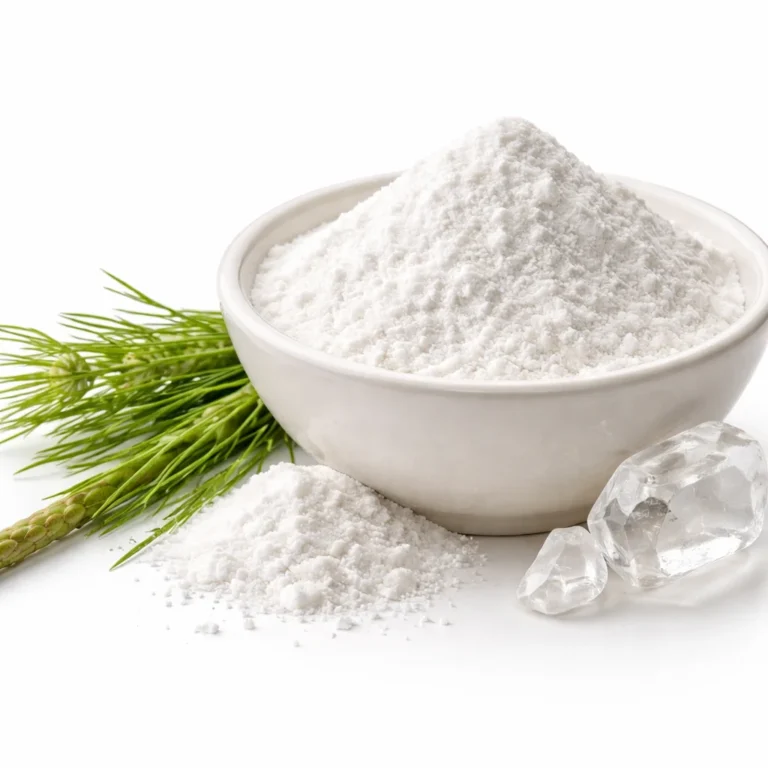
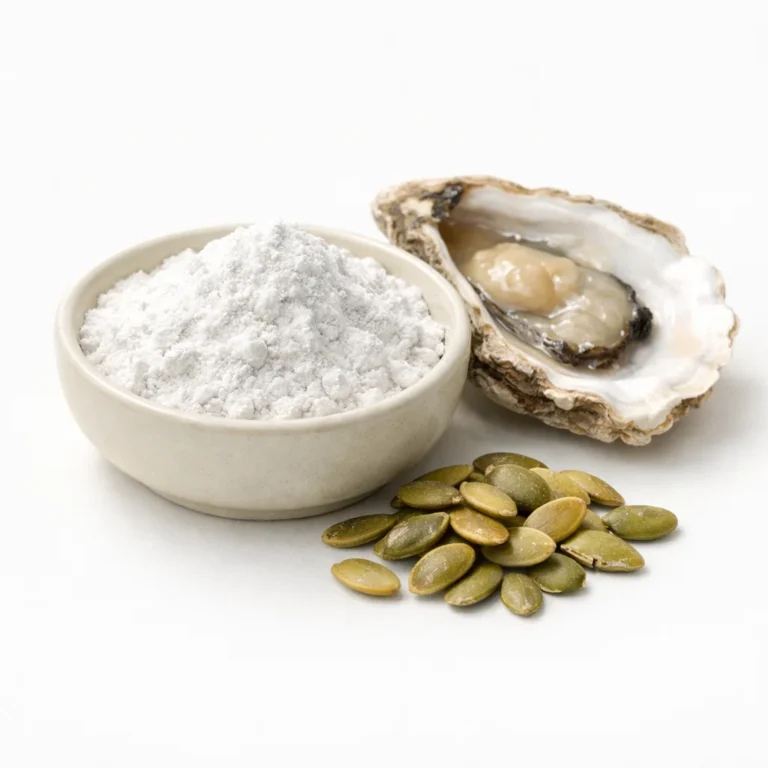
    Zinc is an essential trace element involved in DNA and protein synthesis, immune function, tissue renewal and vision support. Regular dietary intake or targeted supplementation can correct deficiency and help maintain normal skin, hair and reproductive health. Individual needs and responses vary, so dosing should be personalized.
  • Witch Hazel

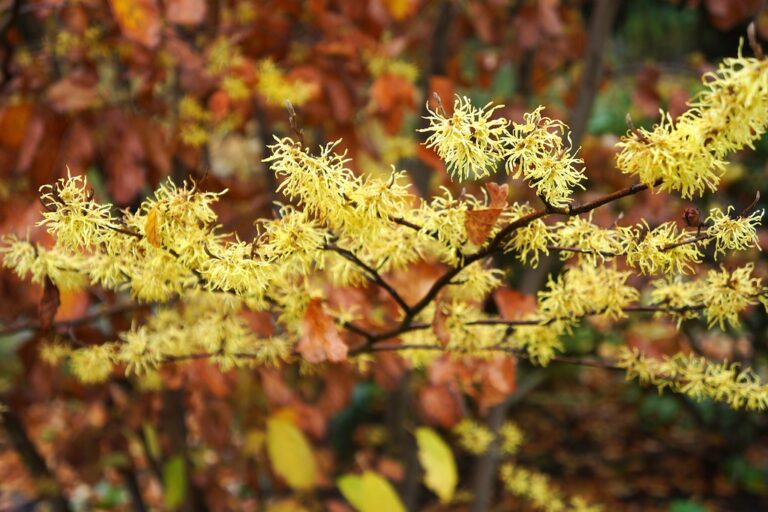
    Witch Hazel is a tannin‑rich shrub whose leaf and bark extracts are widely used as a topical astringent and venous tonic. Traditional and contemporary preparations are applied for minor skin irritations and to support microcirculation in superficial veins. Individual responses vary and adverse effects are uncommon.

  • White Sandalwood

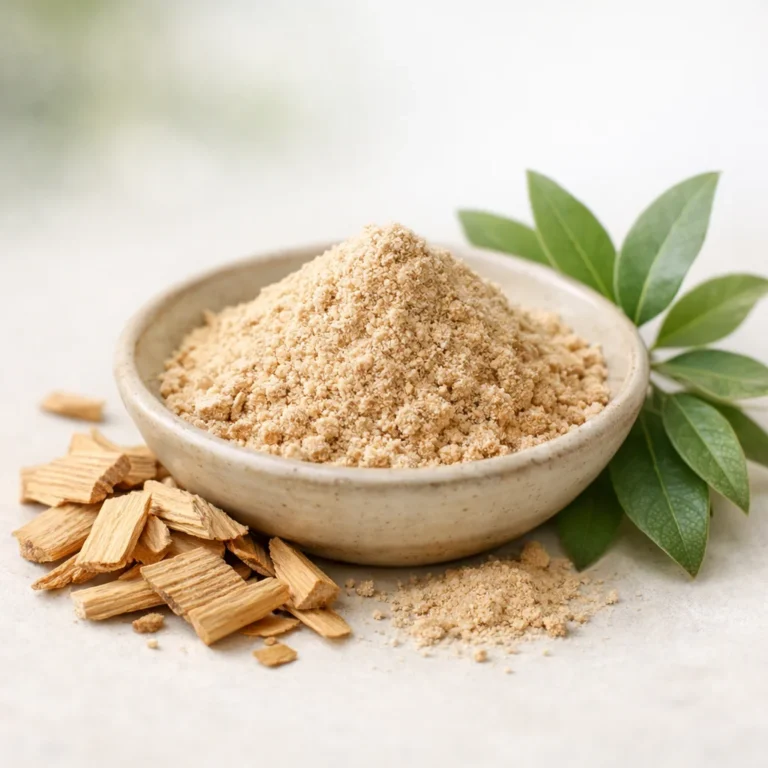
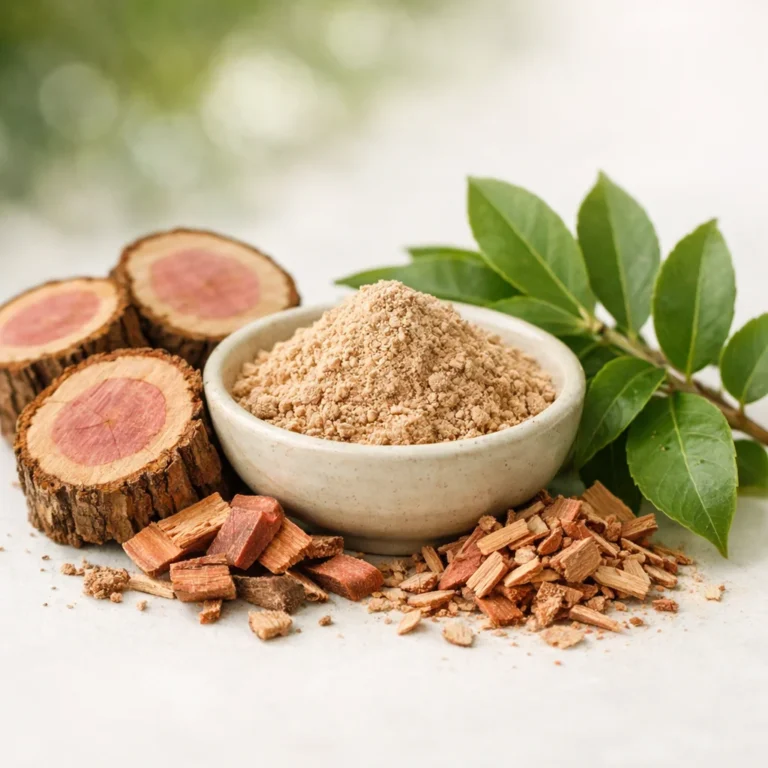
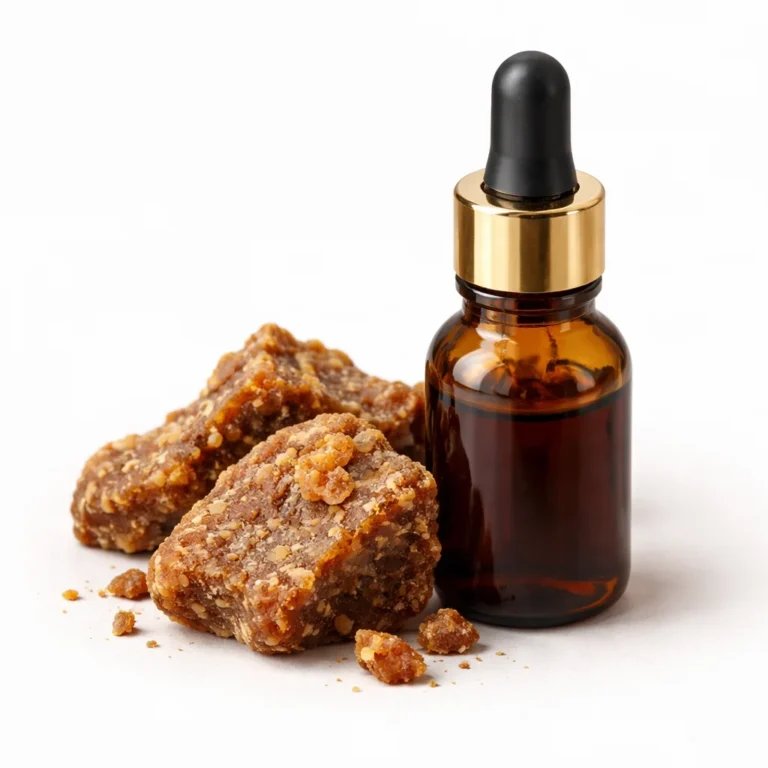
    White Sandalwood is an aromatic hemiparasitic tree valued for its pale heartwood, aromatic oil and resin used in perfumery, incense and topical preparations. Its oil is rich in alpha- and beta-santalol and is associated with traditional antiseptic and skin-supporting uses. Wild populations have been historically overharvested.

  • Wild Pansy

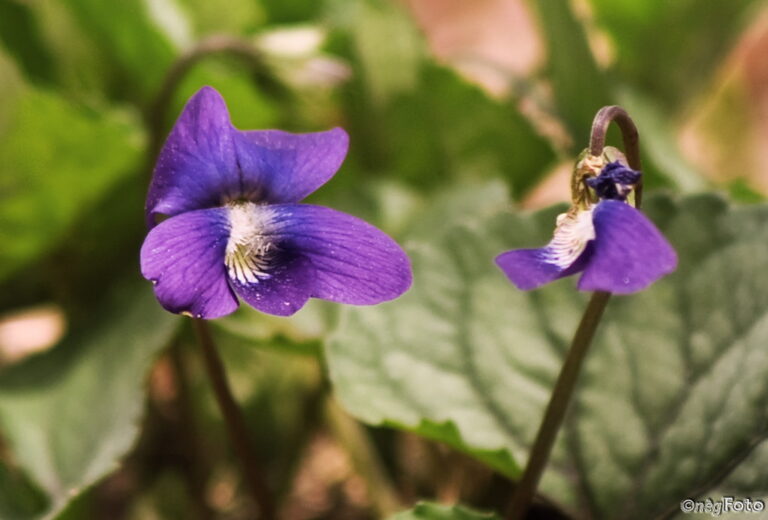
    Wild Pansy offers dried tricolour flowers used in herbal infusions and supplements for traditional detoxifying and anti‑inflammatory uses. Notable constituents include salicylic acid, flavonoids and tannins linked to these traditional effects. Ask a healthcare provider before use, especially if taking blood‑pressure medication.

  • Vitamin E

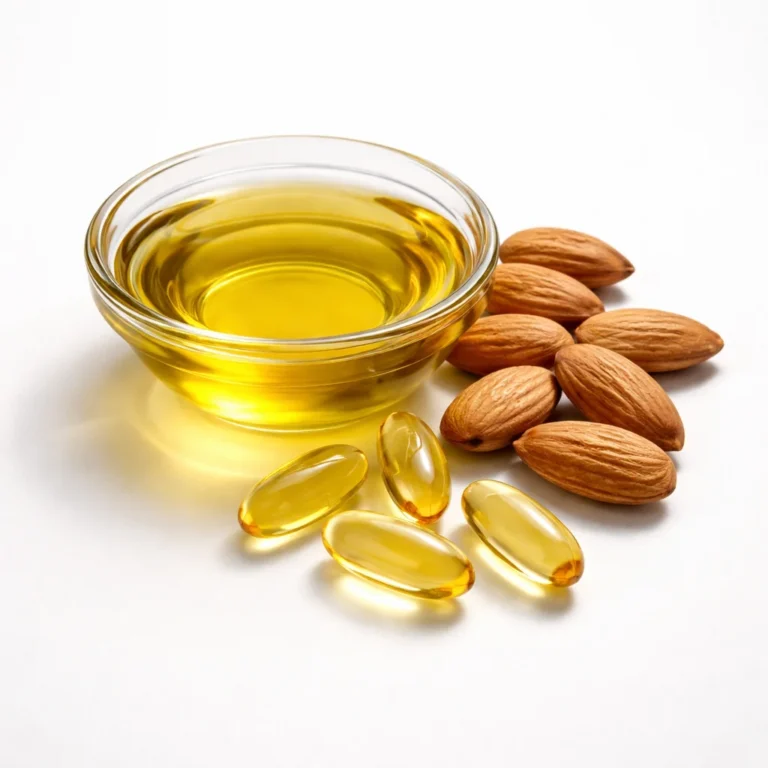
    Vitamin E is a group of fat‑soluble tocopherols found in seeds, oils, nuts and leafy greens, prized for protecting lipids and cell membranes from oxidative damage. Alpha‑tocopherol is the most biologically active form and is widely used in dietary supplements and topical products.

  • Vitamin C

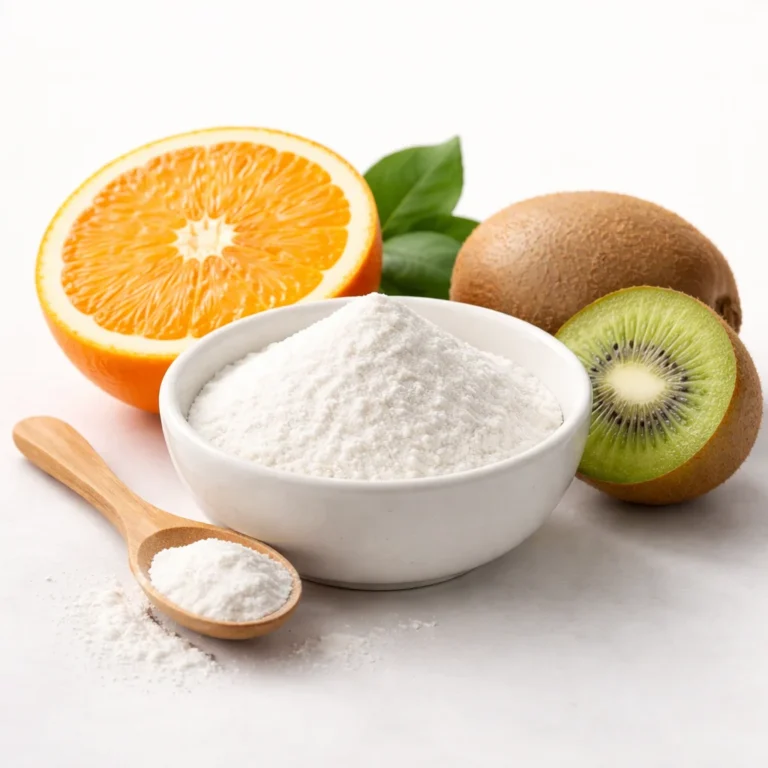
    Vitamin C is an essential water-soluble nutrient found in citrus, berries, peppers and leafy greens that supports collagen production, antioxidant defenses, and iron absorption. It contributes to tissue maintenance, daily vitality and the activity of immune cells, although individual responses to supplementation may vary.

  • Vitamin A

    Vitamin A is a fat‑soluble nutrient found in liver, fish oils, dairy, eggs and as provitamin A carotenoids in vegetables. It supports vision, skin integrity and immune cell function while being stored in the liver and adipose tissue. Excess supplemental intake may pose risks in pregnancy and for smokers.

  • Silicon

    Silicon is a ubiquitous mineral linked to connective tissue health, bone mineralization, vascular elasticity and the condition of skin, hair and nails. It is present in many plants and foods and appears in topical and oral supplement formats. Individual responses vary and medical advice is recommended before use.

  • Spike Lavender

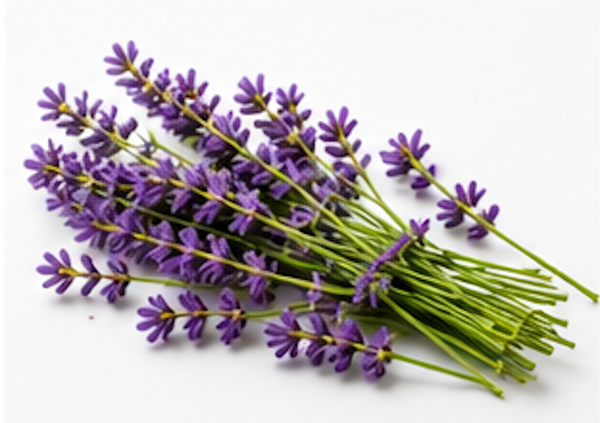
    Spike Lavender produces a camphoraceous essential oil from its flowering tops, traditionally used for minor skin injuries, burns and insect bites. Its oil is high in 1,8‑cineole, linalool and camphor and is used topically after dilution. Use varies by individual and safety precautions apply.

  • Royal Jelly

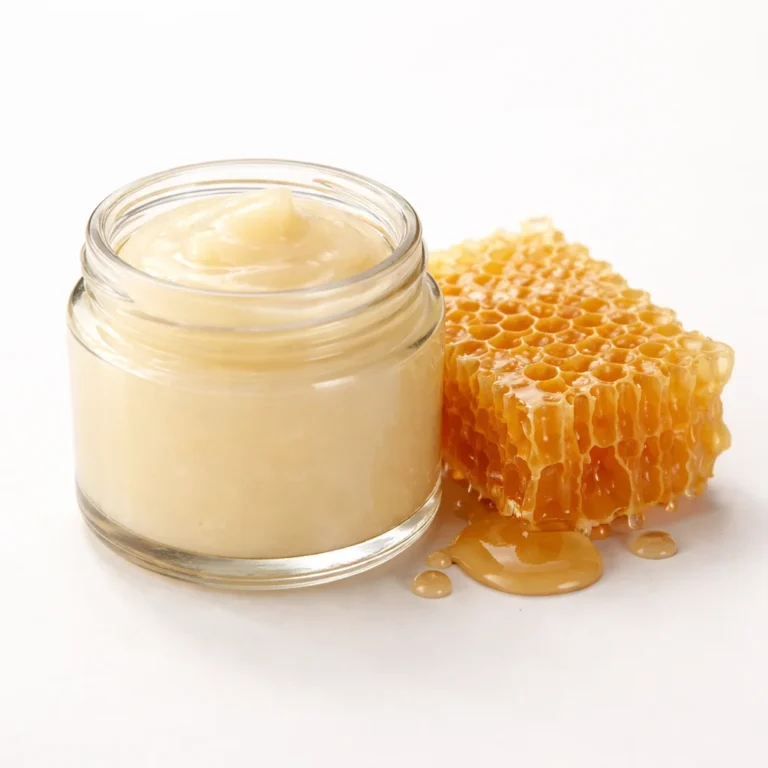
    Royal jelly is a concentrated bee secretion prized for its unique nutrient profile and historical use as a restorative tonic. Rich in the fatty acid 10-HDA and vitamin B5, it is commonly used as an energy-supporting supplement. Individual responses and quality vary.

  • Rosewood

    Rosewood produces a fragrant essential oil distilled from heartwood and is widely used in perfumery, aromatherapy and topical skincare. Its floral-woody oil is valued for skin-soothing and calming aromatic qualities. Wild stocks have been overexploited, so sustainable sourcing and conservation are increasingly emphasized.

  • Propolis

    Propolis is a resinous bee product valued for its antimicrobial and wound-supporting properties and is sold as tinctures, lozenges and supplements. It is rich in flavonoids and phenolic compounds and is commonly used for minor oral and skin concerns. Use may vary by individual.