Skin & Beauty

  • Pomegranate

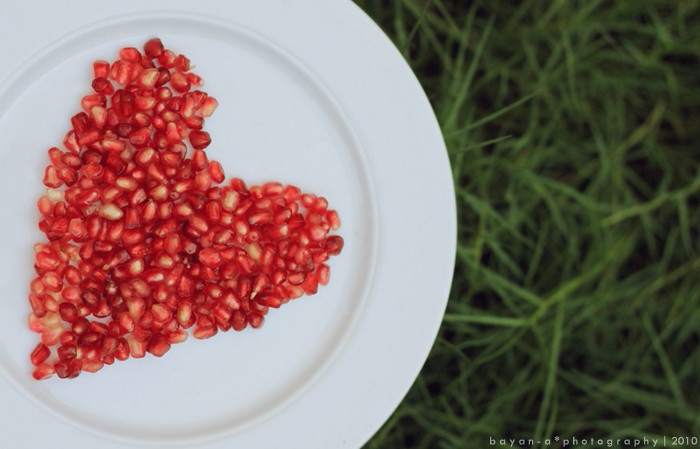
    Juicy arils and the peel of Pomegranate are rich in polyphenols and vitamin C, and the fruit is used fresh, as juice, and in supplements. It is most noted for antioxidant and anti-inflammatory properties supported by research, though individual responses vary. Consult a professional for personalized advice.
  • Niaouli

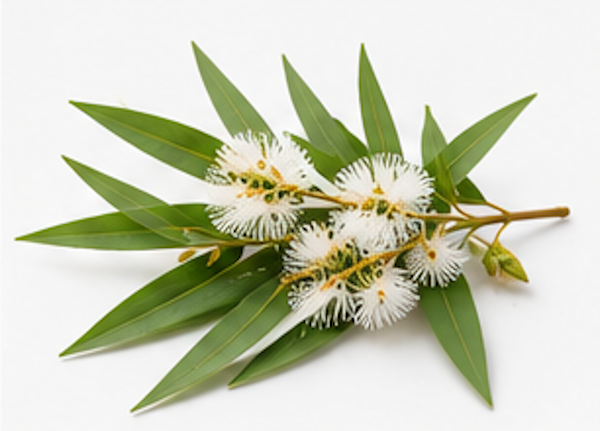
    Niaouli oil, distilled from the glossy five‑nerved leaves of Melaleuca quinquenervia, is valued in aromatherapy and topical preparations for its antiseptic and expectorant reputation. Traditional use includes skin support and respiratory applications, though individual responses and safety vary. Precautions apply for several at‑risk groups.

  • Nettle

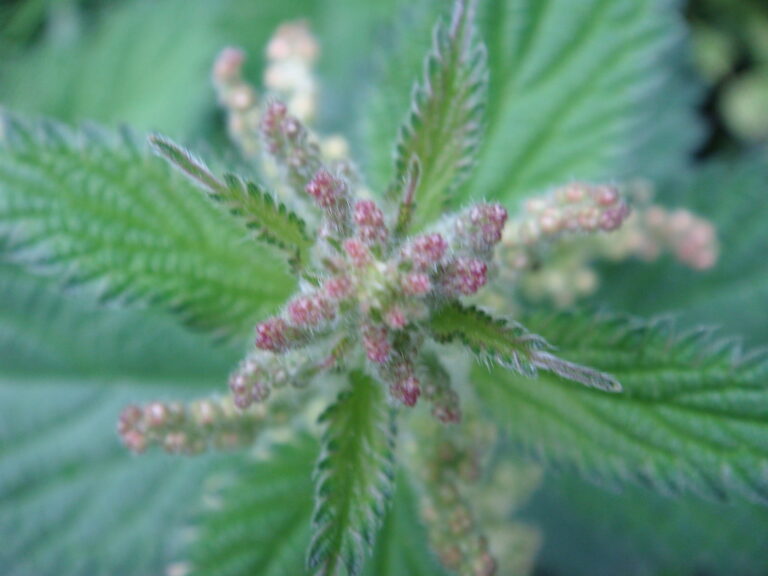
    Nettle is a nutrient-rich herb used for centuries for its remineralising, diuretic and depurative qualities. Leaves and roots supply minerals, vitamins and flavonoids in tinctures, infusions and powders. Effects vary by individual, and it may support general vitality when taken appropriately; consult a healthcare professional for personalised advice.

  • Melanin

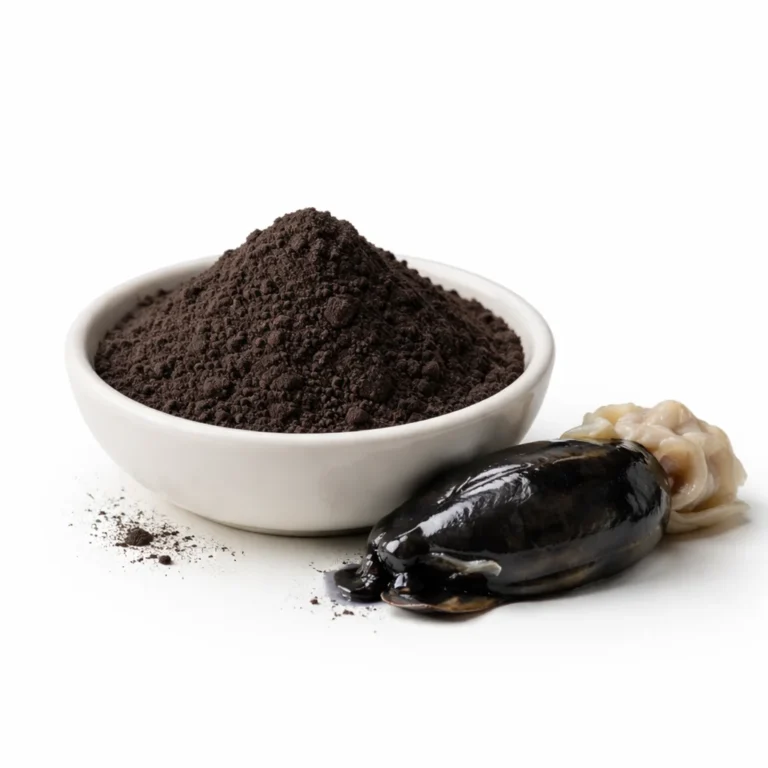
    Melanin is a natural pigment that contributes to skin, hair and eye colour and is used in supplements to increase pigment availability. Supplement formulations containing Mélaline® have been studied at 500 mg daily for 30 days to support pigmenting responses with UV exposure. Individual results may vary.

  • Lutein

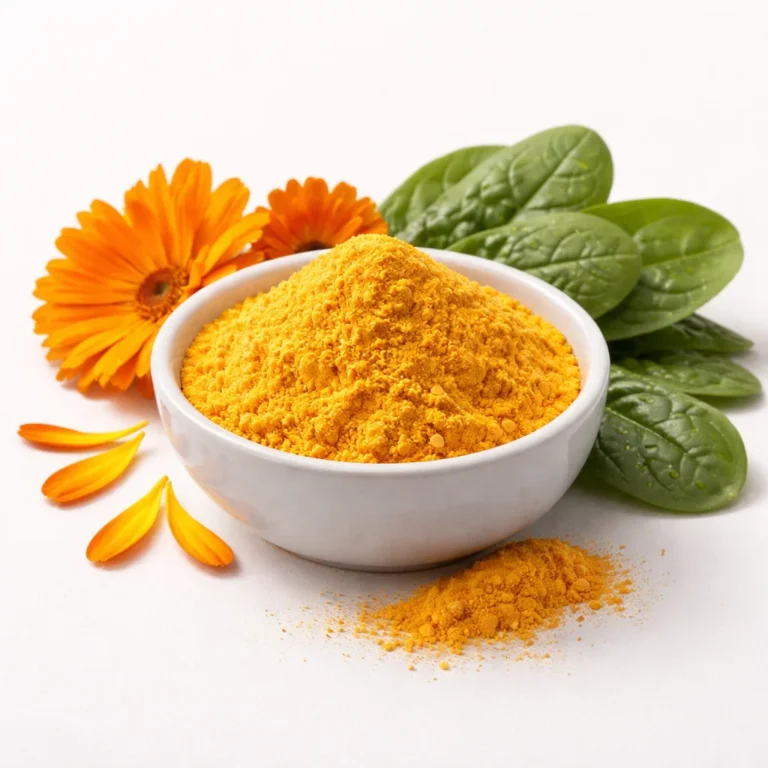
    Lutein is a yellow-orange carotenoid concentrated in the macula, obtained from dark leafy greens, corn and eggs. Supplemental lutein is associated with macular pigment support, blue-light filtering and antioxidant protection for the retina. Individual responses vary; consult a professional for personal advice.

  • Lemon Eucalyptus

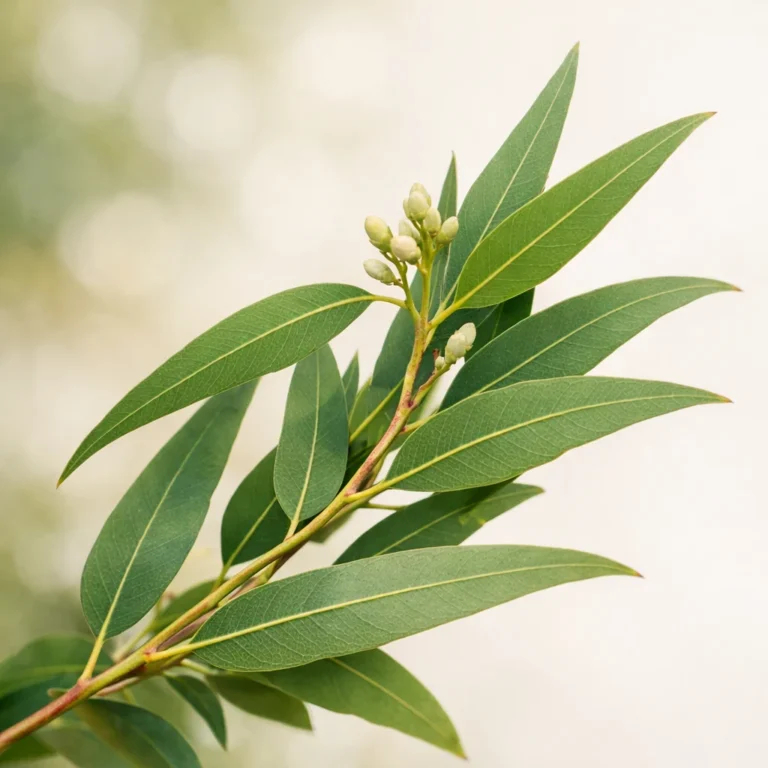
    Lemon Eucalyptus yields a lemon-scented essential oil from its leaves, widely prized for its insect-repellent properties and topical uses in aromatic and massage preparations. Research highlights its effectiveness as a natural mosquito repellent, while individual responses and safety considerations vary.

  • L-Cystine

    L-Cystine is a sulfur-containing amino acid dimer commonly included in nutricosmetic supplements to support hair and nail appearance. It is valued for contributing sulfur used in keratin formation and is often paired with vitamins and minerals. Individual responses and safety considerations may vary.

  • L-Methionine

    L-Methionine is an essential sulfur-containing amino acid commonly included in nutricosmetic supplements to support hair and nail appearance. Dietary intake matters, especially for people limiting animal proteins, and individual needs vary. Consult a healthcare professional before supplementing, as safety considerations and contraindications apply.

  • Keratin

    Keratin is a structural protein central to hair, nails and skin, commonly sourced from wool and formulated for oral or topical use. Clinical reports at about 500 mg daily suggest improvements in hair strength, shine and nail hardness for some individuals. Results and tolerability vary between people.

  • Hyaluronic Acid

    An abundant extracellular polysaccharide, hyaluronic acid is prized for exceptional water‑binding that supports skin moisture and joint cushioning. It is produced by bacterial fermentation and supplied as injectables, topical gels and oral capsules, with common supplement doses between 120 and 240 mg per day.

  • Glutathione

    Glutathione is a naturally occurring tripeptide found in cells and in foods such as citrus, brassica vegetables and mushrooms; it is widely referenced for antioxidant and detoxification roles. Typical adult supplemental ranges are often cited at 100–300 mg daily with a common upper limit of 600 mg.

  • Grape Skin

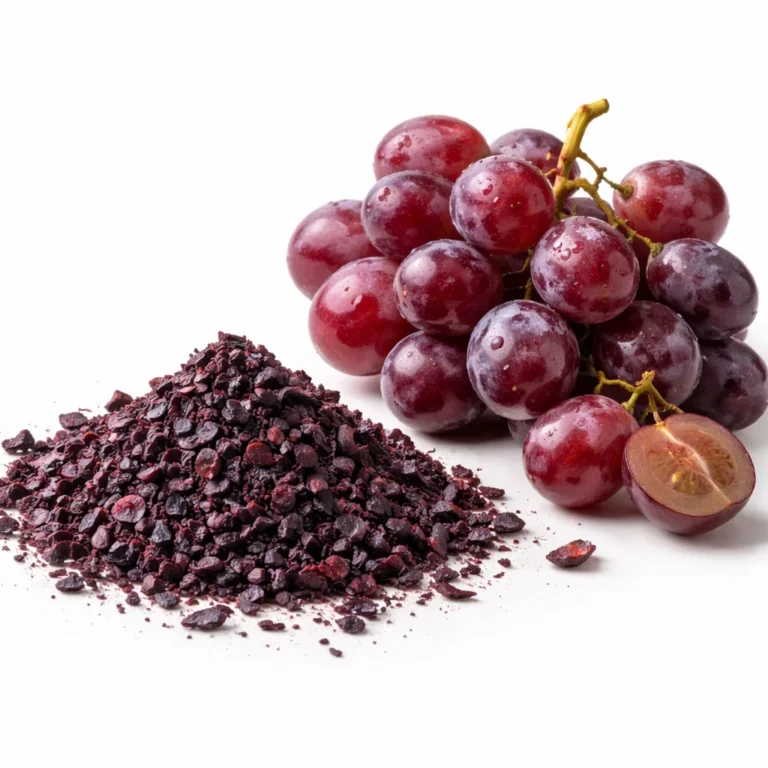
    Grape skin is the dried residue from pressing Vitis vinifera and concentrates polyphenols used in topical and supplement products for antioxidant and cosmetic applications. Its extracts are commonly formulated into creams, gels and capsules for skin-focused and circulation support uses.