Skin & Beauty

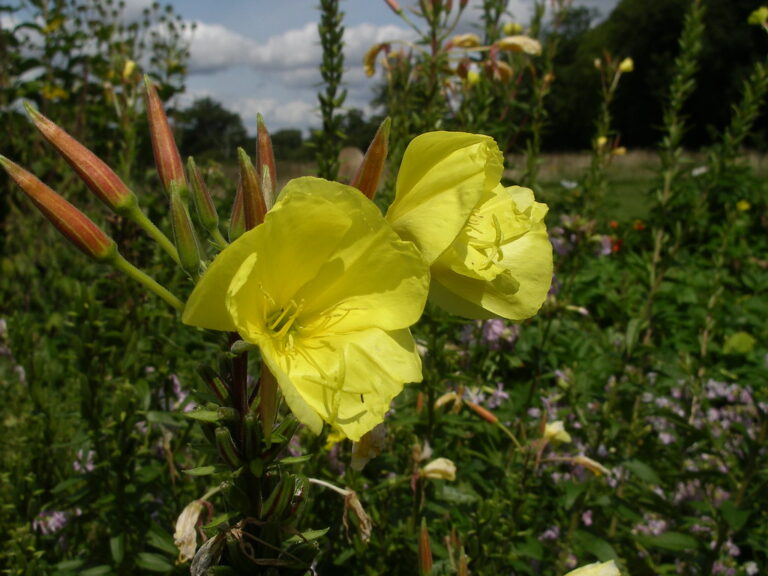
  • Evening Primrose

    Evening Primrose oil is pressed from the seeds of Oenothera biennis and is prized for its omega-6 fatty acids, notably gamma-linolenic acid, used in dietary and topical preparations for women’s comfort and skin support. Research suggests evening primrose oil may support relief of menstrual and menopausal symptoms for some individuals, though responses vary.

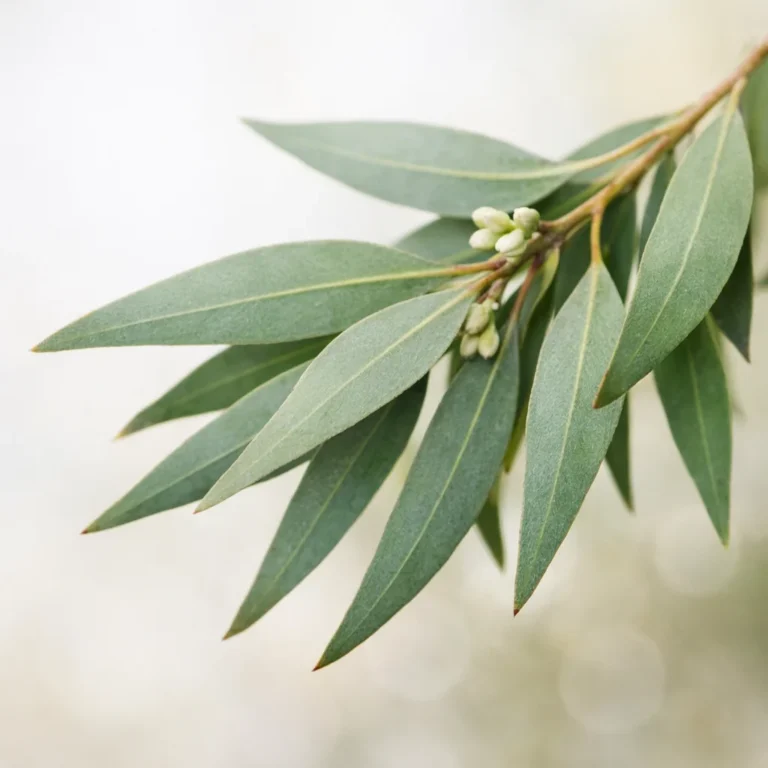
  • Eucalyptus Radiata

    Eucalyptus Radiata yields a clear, slightly sweet essential oil distilled from leaves and used in aromatic and topical preparations for respiratory and skin concerns. Its leaf-derived oil is prized for a high 1,8‑cineole profile and versatile aromatic uses. Uses and effects vary by individual; follow safety guidance.
  • Cornflower

    Cornflower hydrosol, distilled from vivid blue Centaurea cyanus petals, is prized in gentle eye and skincare routines for its cooling, mildly astringent character and historical use. Traditionally applied with cotton pads or mists to soothe tired or irritated eyes and refresh skin. Individual responses vary.

  • Cod Liver Oil

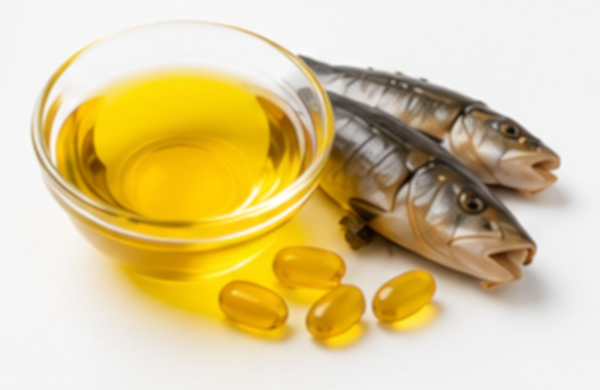
    Cod Liver Oil is a traditional marine supplement high in vitamins A, D and E and long‑chain omega‑3s, used to support bone, immune and cardiovascular health. Concentrations vary by product, so dosing should be adjusted for age, diet and other supplements.

  • Clay

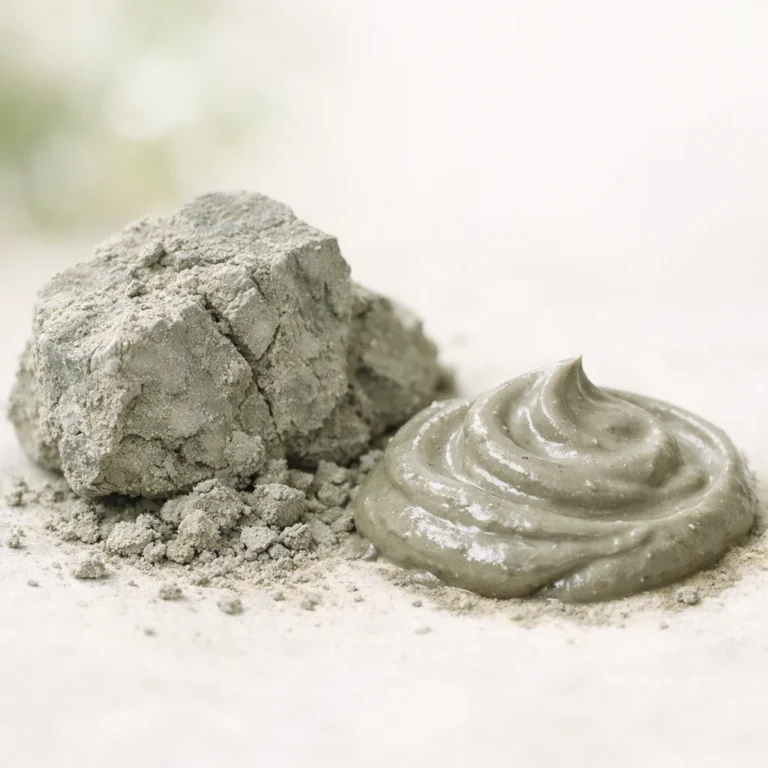
    Clay is a mineral-rich natural material used externally for skin and hair care and sometimes taken internally for digestive comfort. Different types like green clay and kaolin act as absorbent, adsorbent and remineralizing materials used in masks, poultices and supplements. Uses and effects vary by individual.

  • Citronella

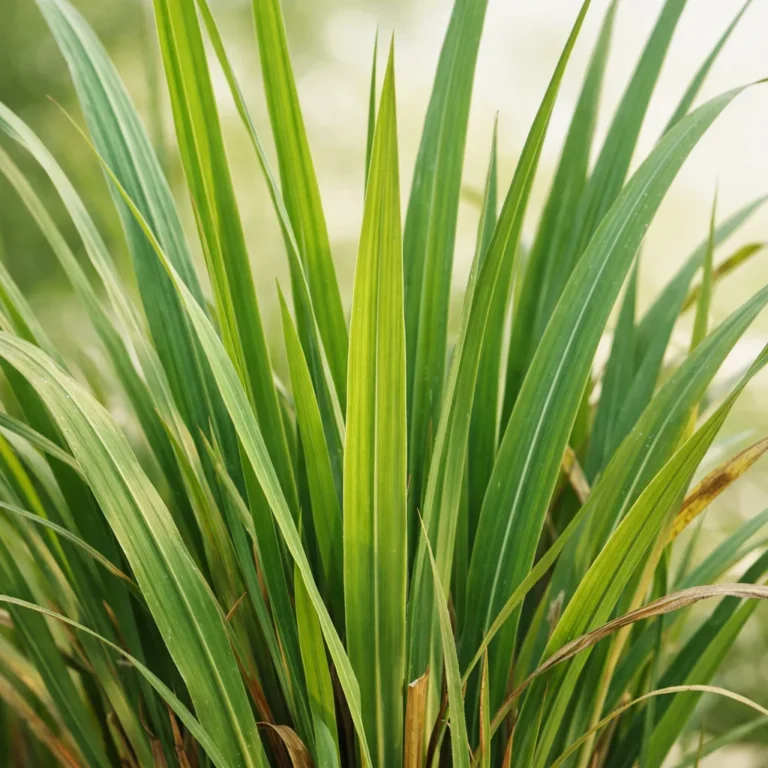
    Citronella is a lemon‑scented tropical grass whose steam‑distilled leaf oil is widely used for mosquito repellent and as an air deodorizer. Traditional topical use also cites antiseptic and mild anti‑inflammatory effects. Always dilute the essential oil and avoid use in children and pregnancy.

  • Carrot

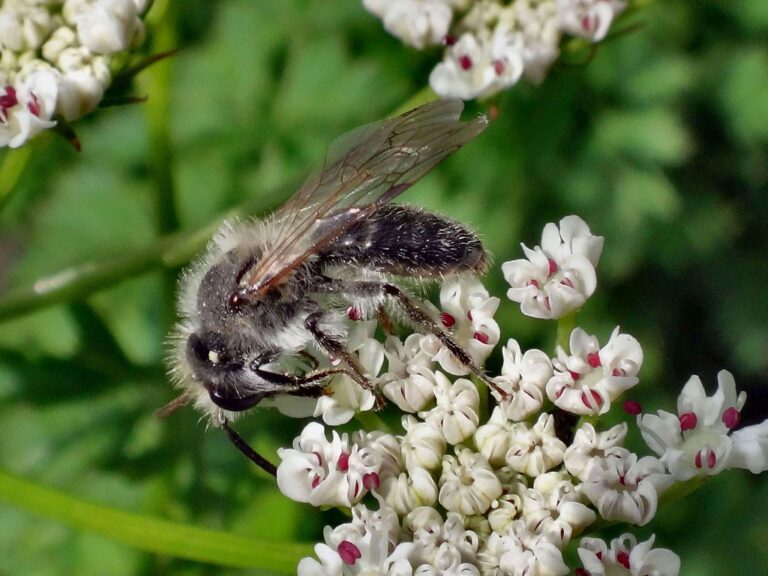
    Root vegetable prized for beta‑carotene and carotenoids, commonly eaten raw, cooked or juiced, and used in topical preparations from its seed oil. Its carotenoids are associated with antioxidant activity and skin‑care uses, though effects vary by individual. Consult product directions and a professional before concentrated use.

  • Calendula

    Calendula flowers are used widely in topical preparations for skin care and mucosal washes, prized for soothing and wound-supporting properties. Its bright petals are rich in flavonoids and carotenoids and are commonly processed into oils, creams and tinctures. Individual responses may vary.

  • Burdock

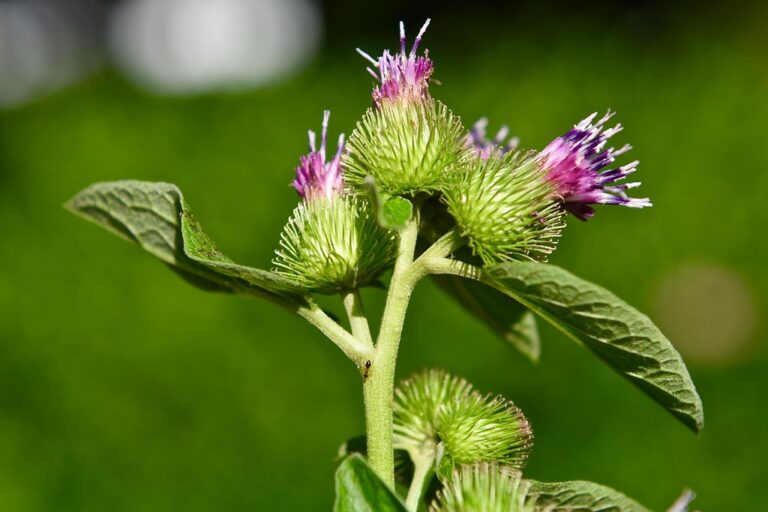
    Root and leaves of burdock have long been used to support the body’s cleansing processes and to address oily, inflamed or troubled skin across traditional systems. Traditional preparations and modern supplements commonly use the inulin-rich root for intestinal and dermatological support.

  • Brewer’s Yeast

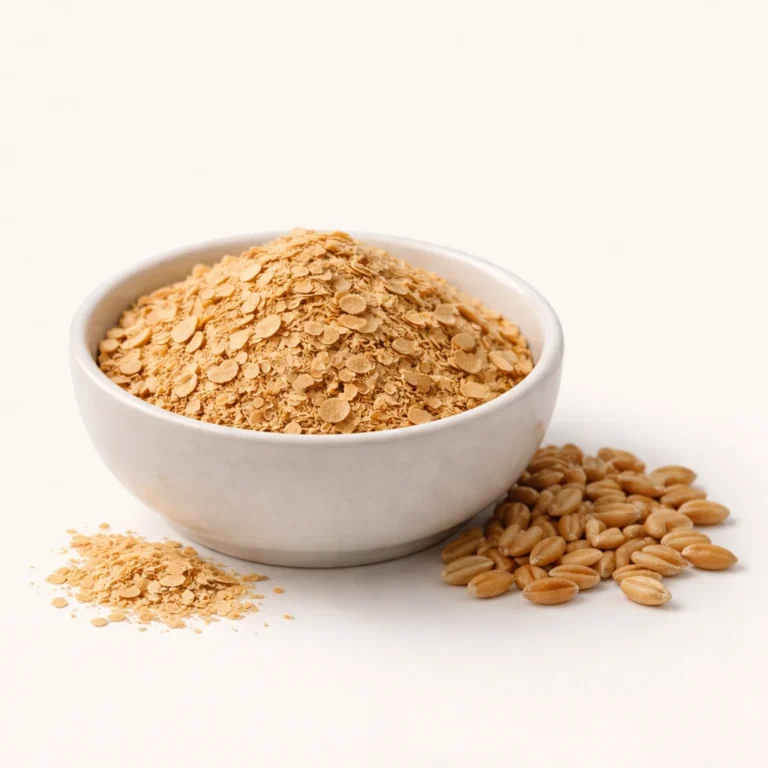
    Brewer’s yeast is a nutrient-dense single-celled fungus rich in B-complex vitamins, minerals and essential amino acids, commonly used as a supplement to support hair, nail and skin condition. Inactive preparations are often chosen to avoid digestive effects associated with live yeast.

  • Borage

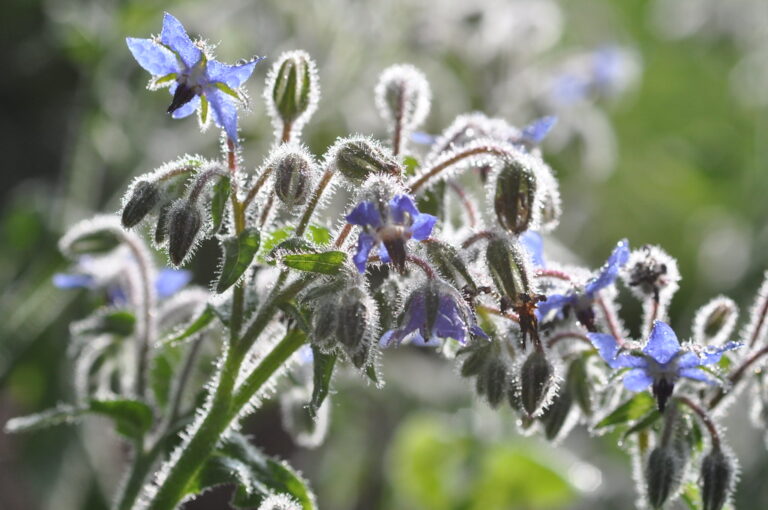
    Borage is an annual Mediterranean herb prized for edible leaves and a seed oil high in gamma-linolenic acid, used in topical and oral preparations. Clinical research has explored seed oil for reducing symptoms in rheumatoid arthritis. Safety varies by preparation; aerial parts can contain hepatotoxic pyrrolizidine alkaloids.

  • Bitter Orange Blossom

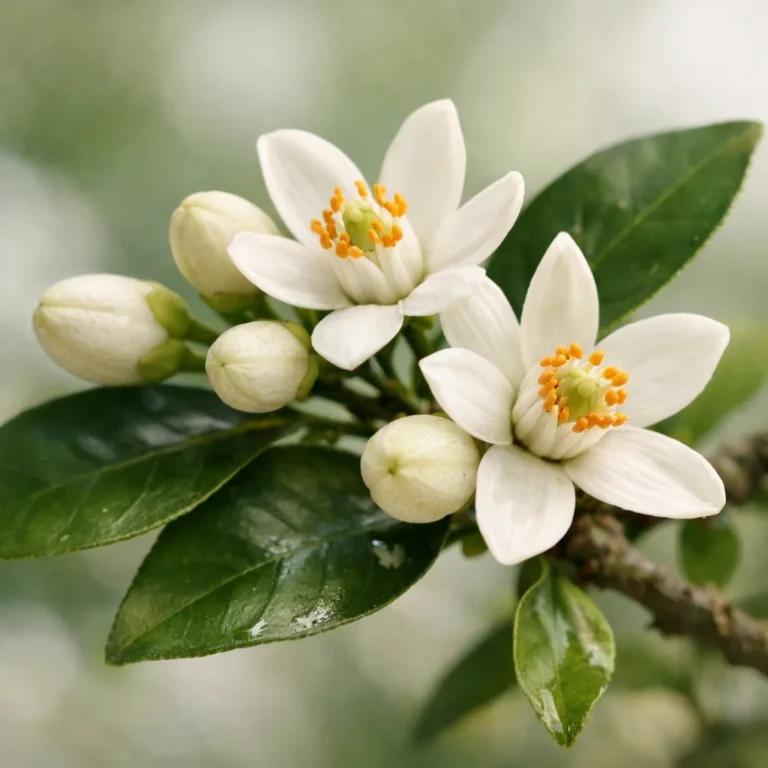
    Bitter Orange Blossom offers fragrant floral extracts—neroli, petitgrain and orange peel oil—used in perfumery, skincare and traditional recipes for mild calming and digestive support. Its distilled hydrosol and essential oils are prized for soothing aroma and gentle skin toning, though individual responses vary.