
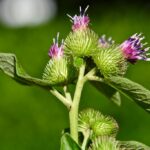
Burdock
A cleansing root traditionally used to support skin health and digestion.
Burdock (Arctium lappa) is a biennial herb in the Asteraceae family whose fleshy roots and leaves have a long history of use for internal cleansing and skin care. The root is notable for its inulin content and phenolic acids (caffeic and chlorogenic acids), along with polyacetylenes and lignans; these constituents have informed traditional applications aimed at supporting hepatobiliary and renal elimination and addressing dermatological complaints such as oily skin, acne and eczema. The plant is used both as a food in parts of Asia and as a medicinal plant prepared as infusions, tinctures, powders and topical preparations.
Available preparations include dried root powder, capsules, infusions, mother tinctures and topical extracts; traditional dosing examples are about 350 mg/day in capsule form, 2–6 g infusion three times daily, or 8–12 ml of tincture three times daily. Burdock is generally considered low in toxicity though allergic reactions have been reported; it is not recommended during pregnancy or lactation, and consultation with a healthcare professional is advised for people taking diuretics or hypoglycemic medications due to possible additive effects. Research findings vary by indication, and uses and effects may differ between individuals.
At a Glance
Burdock is a biennial Asteraceae plant valued for its fleshy root and large leaves, traditionally used for internal cleansing and to address dermatological concerns such as oily skin and acne.
Its root contains inulin, caffeic and chlorogenic acids, polyacetylenes and lignans, and preparations are available as powders, infusions, tinctures and topical extracts.
| Common name |
|
|---|---|
| Scientific name | Arctium lappa |
| Plant family | Asteraceae |
| Origin | Asia and Europe |
| Parts used |
|
| Active compounds |
|
| Main benefits |
|
| Available forms |
|
Origin & History
Burdock (Arctium lappa) originates from temperate regions of Asia and Europe and commonly grows in waste places, fields and along roadsides where soils are rich in organic matter. The biennial herb forms a large basal rosette the first year and tall flowering stems the second; it is found both wild and under cultivation, and in some Asian regions the root is used as a vegetable.
In medieval Europe burdock was widely used as a blood purifier and diuretic and was applied externally as poultices for various skin disorders. Traditional Chinese and Indian practitioners used the root for respiratory and febrile complaints, indigenous North American peoples valued its purifying properties and use during difficult labors, and continued cultivation and medicinal use persist across cultures today.
Composition & Active Compounds
Burdock is a biennial herb with a large basal rosette and a long, fleshy taproot that is dark outside and white inside; the root and leaves are the parts used medicinally. The plant’s chemical profile includes soluble carbohydrates and several classes of phenolic and polyenic compounds — notably inulin, caffeic and chlorogenic acids, polyacetylenes, lignans and tannins — which underpin its traditional uses for internal cleansing, skin conditions and intestinal support. The fleshy root, rich in inulin, is the primary part used in supplements and traditional preparations.
- Inulin: a fermentable fructan that serves as a prebiotic and helps support intestinal flora.
- Caffeic acid: a phenolic acid with antioxidant activity, cited in traditional accounts for diuretic and choleretic associations.
- Chlorogenic acid: a common phenolic compound with antioxidant properties found alongside caffeic acid.
- Polyacetylenes: bioactive compounds reported to have antifungal and antimicrobial effects.
- Lignans: such as arctigenin and related lignans, noted in some studies for antiviral activities.
- Tannins: astringent polyphenols that can contribute to topical effects on the skin.
Related Herbs
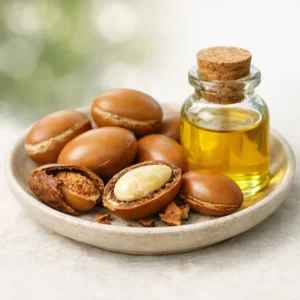
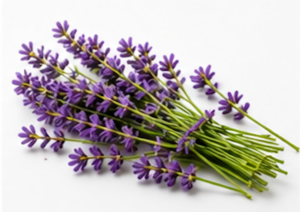
Properties & Effects
Burdock is traditionally regarded as a cleansing herb used to support skin health and digestive balance through preparations made from the root and leaves. Its historical and experimental profile links it to actions on the skin, elimination pathways and the intestinal environment.
Its traditional and researched use for supporting skin health is among the most widely cited uses.
- Skin-supporting: Traditionally used to help improve conditions such as oily skin, acne and eczema, and research suggests it may support skin health for some people.
- Drainage and detoxifying: May support the body’s natural cleansing and elimination processes.
- Diuretic: Traditionally associated with increased urine output in some users and may have mild diuretic effects.
- Prebiotic / Intestinal support: May help support intestinal flora and digestive balance through fermentable fibers present in the root.
- Antibacterial and antifungal: Research indicates potential antimicrobial and antifungal activity, which may help control certain microbes.
- Antioxidant / Liver support: Research suggests it may help reduce oxidative stress and support liver function in some contexts.
Dosage & How to Use
Dosing varies by preparation; examples from traditional sources are provided below.
| Dried powder (capsules) |
|
|---|---|
| Infusion |
|
| Mother tincture |
|
Safety, Side Effects & Contraindications
Burdock is generally regarded as low in toxicity, but some individuals have experienced allergic reactions and certain groups are advised to avoid its use. Use should be paused and medical advice sought if signs of hypersensitivity occur.
It is not recommended during pregnancy or lactation. People taking diuretics or hypoglycaemic medications should consult a healthcare professional before using burdock because of possible additive effects, and anyone with existing health concerns should seek personalised guidance.
- Pregnancy and breastfeeding: Not recommended during pregnancy or lactation.
- Allergy: Cases of allergic reactions have been reported; discontinue use if hypersensitivity occurs.
- Drug interactions: Consult a healthcare professional if taking diuretics or hypoglycaemic drugs due to possible additive effects.
Not recommended during pregnancy or breastfeeding; allergic reactions have been reported. Consult a healthcare professional before use if taking diuretics or blood‑sugar lowering medications or if you have existing health conditions.