
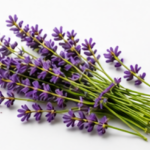
Spike Lavender
A camphoraceous essential oil traditionally used for topical skin healing and soothing.
Spike Lavender (Lavandula latifolia, also listed as Lavandula spica) is a Mediterranean perennial in the Lamiaceae family, cultivated for its camphoraceous, rosemary‑like essential oil. The steam‑distilled oil is typically rich in 1,8‑cineole (eucalyptol), monoterpenols such as linalool, and camphor ketones; its aroma and composition have led to traditional topical uses for skin issues such as minor burns, insect bites and wound care, and it has a history as a summer first‑aid remedy.
Uses and effects vary by individual and are not guaranteed. Spike lavender essential oil is highly concentrated and can be irritating; because of its camphor content it is contraindicated in people with epilepsy, not recommended for young children, and generally avoided during pregnancy and breastfeeding unless under professional guidance. For topical application, the oil should be diluted in a neutral carrier and patch‑tested before wider use, and contact with eyes should be strictly avoided.
At a Glance
Spike lavender is a Mediterranean perennial in the Lamiaceae family valued for a camphoraceous, rosemary‑like essential oil obtained from its flowering tops. The steam‑distilled oil is typically rich in 1,8‑cineole, linalool and camphor‑type ketones and has a history of traditional topical use for minor skin injuries, burns and insect stings.
| Common name |
|
|---|---|
| Scientific name |
|
| Plant family | Lamiaceae |
| Origin | France (Mediterranean) |
| Parts used | Flowering tops |
| Active compounds |
|
| Main benefits |
|
| Available forms |
|
Origin & History
Spike lavender is native to the Mediterranean region, with strong historical ties to southern France and other areas around the Mediterranean basin. It thrives on sunny, well‑drained slopes and rocky, calcareous soils—typical of garrigue habitats—at elevations roughly between 200 and 700 meters; the plant grows as a woody perennial shrub with aromatic, broad leaves and bluish‑violet flowers harvested for steam distillation.
Ancient cultures including the Egyptians, Greeks and Romans used spike lavender in perfumery, baths and embalming preparations, and it was traditionally applied for wounds, burns and insect bites. The plant’s common name reflects a long folk history—its association with the aspic viper led hunters to use it as a field remedy after snakebites—and later agricultural and perfumery practices led to hybridization with true lavender to produce lavandin. Historical uses emphasize aromatic and topical applications rather than internal consumption, and local traditions and preparations vary across regions.
Composition & Active Compounds
Spike lavender is a woody perennial shrub 30–80 cm tall with aromatic, broad leaves and bluish‑violet flowers; the flowering tops are steam‑distilled to yield a pale yellow essential oil with a distinctive camphoraceous, rosemary‑like aroma. Chemically, the oil is typically rich in monoterpenols, oxides and ketones—most notably linalool, 1,8‑cineole and camphor—which shape the scent profile and underlie the oil’s traditional topical uses.
The steam‑distilled flowering tops are the primary source of spike lavender essential oil used in preparations.
- Linalool: a monoterpenol that contributes floral, sweet notes and is a major component among the monoterpenols in the oil.
- 1,8‑Cineole: an oxide with a fresh, eucalyptus‑like scent that accounts for a large share of the oil’s volatile profile.
- Camphor: a ketone responsible for the camphoraceous aroma characteristic of spike lavender oils.
Related Herbs
Properties & Effects
Spike lavender is traditionally known for topical applications on skin, where it has been used for minor wounds, burns and insect stings in Mediterranean folk practice.
Traditionally, spike lavender is most noted for supporting wound healing and skin regeneration when applied topically.
- Wound healing: Spike lavender may support skin repair and assist healing of minor cuts, burns and abrasions when used topically.
- Topical analgesic: It may help reduce local pain and discomfort on the skin when applied in a diluted form.
- Anti-inflammatory: It may help reduce swelling and redness associated with skin irritation.
- Antiseptic: It may help disinfect affected skin surfaces and limit the risk of superficial infection when used appropriately.
Dosage & How to Use
For topical use, follow dilution and safety guidance carefully.
| Topical application |
|
|---|---|
| Children |
|
| Daily and prolonged use |
|
| Short-term rapid action |
|
| Therapeutic pause |
|
Safety, Side Effects & Contraindications
Spike lavender essential oil is a concentrated botanical product and can cause skin irritation, allergic reactions or other adverse effects in sensitive individuals; a patch test is recommended before broader topical use. People with certain medical conditions or life stages should avoid the oil or seek professional advice, and the oil should not be applied undiluted or allowed to contact the eyes.
Because of the camphor content there is a risk of neurotoxicity, so spike lavender should not be used by people with epilepsy or a history of seizures. Consult a healthcare professional before use if undergoing prolonged medical treatment, and keep the oil out of reach of children; follow age, pregnancy and breastfeeding precautions and avoid inhalation in cases of asthma or ocular dryness.
- Epilepsy and seizure disorders: do not use if there is a history of epilepsy or convulsions.
- Young children: not recommended before 6 years of age.
- Pregnancy and breastfeeding: avoid use during pregnancy and lactation unless advised by a professional.
- Asthma and dry eye: avoid use as an inhalant in cases of asthma or ocular dryness.
- Eye contact: avoid contact with the eyes.
- Medication interactions: seek medical advice if on long‑term medical treatment.
Contains camphor; avoid use in people with epilepsy, young children, during pregnancy or breastfeeding, and in inhalant use for asthma — consult a healthcare professional before use.