Mineral

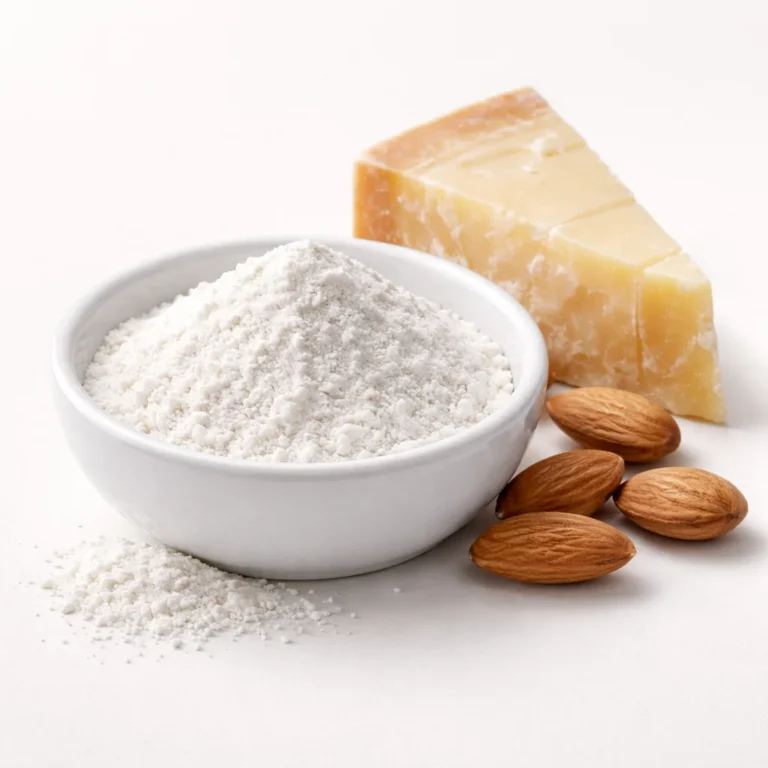
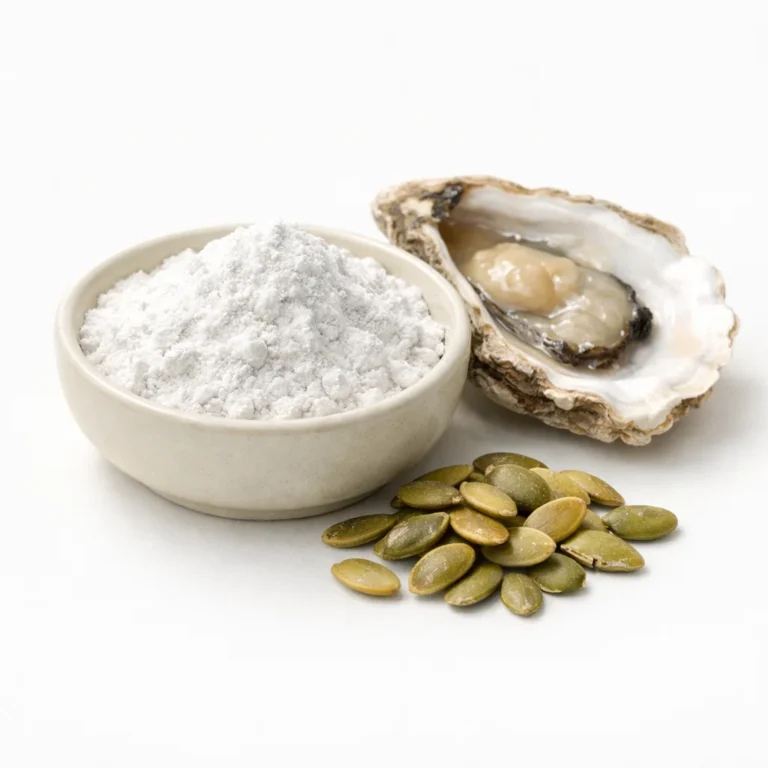
  • Zinc

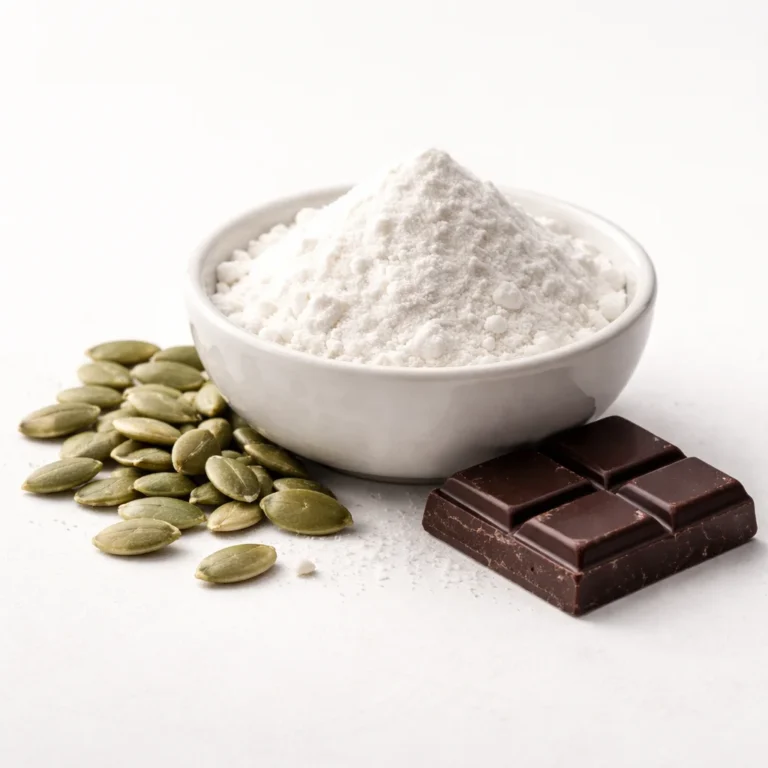
    Zinc is an essential trace element involved in DNA and protein synthesis, immune function, tissue renewal and vision support. Regular dietary intake or targeted supplementation can correct deficiency and help maintain normal skin, hair and reproductive health. Individual needs and responses vary, so dosing should be personalized.
  • Silicon

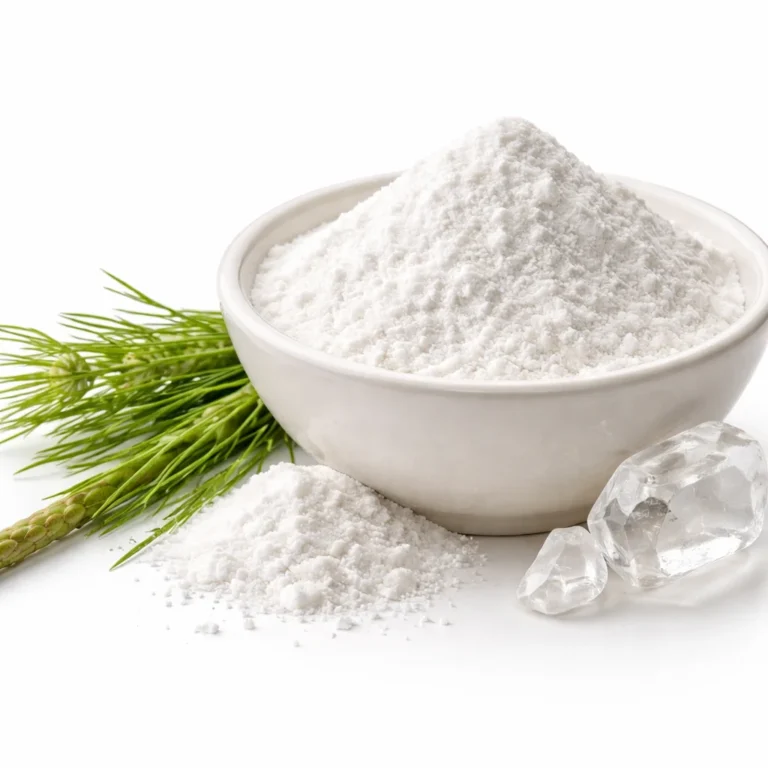
    Silicon is a ubiquitous mineral linked to connective tissue health, bone mineralization, vascular elasticity and the condition of skin, hair and nails. It is present in many plants and foods and appears in topical and oral supplement formats. Individual responses vary and medical advice is recommended before use.

  • Selenium

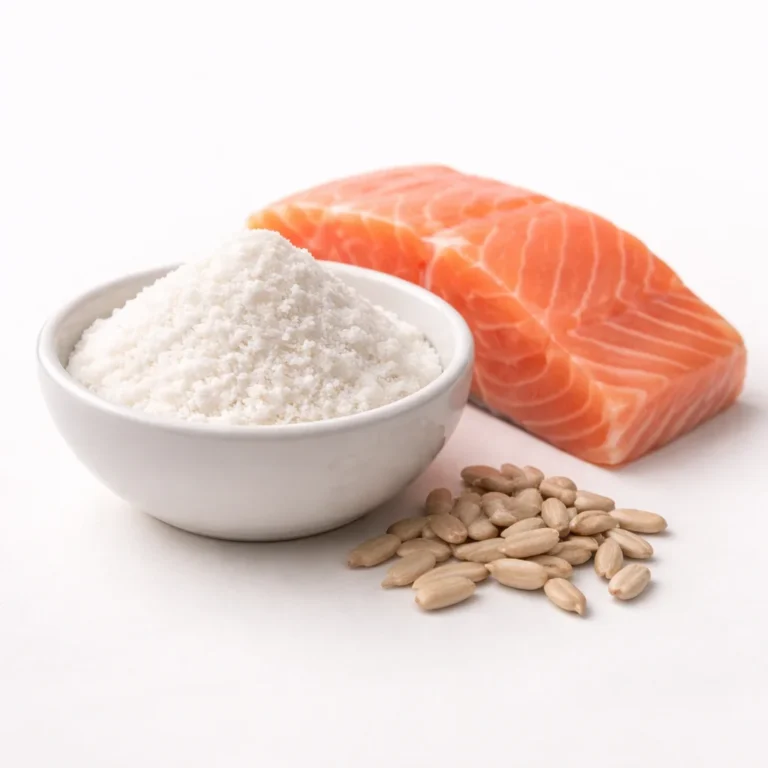
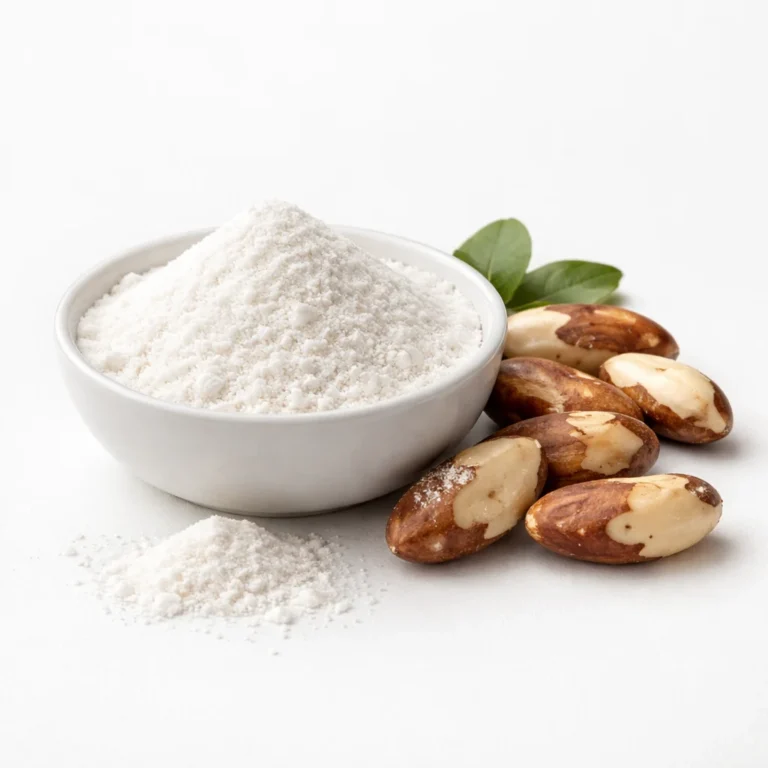
    An essential trace element, selenium supports antioxidant defenses and contributes to immune and thyroid function; dietary levels depend on soil content and common sources include Brazil nuts, seafood and organ meats. Supplements are available but excess intake can cause adverse effects.

  • Phosphorus

    Phosphorus is a ubiquitous mineral present as phosphate in foods and the body, essential for bone and tooth structure and for cellular energy processes. It supports mineralization of bones and contributes to normal energy metabolism. Intake varies and requires caution in kidney disease.

  • Magnesium

    An essential mineral involved in over 300 biochemical reactions, magnesium supports energy metabolism, nerve and muscle function and contributes to bone and dental health. Supplemental magnesium is available in several salt forms and may help reduce fatigue while individual needs and safety considerations vary.

  • Lithothamnium

    Lithothamnium is a calcified red alga prized for its mineral-rich, coral-like nodules and use in supplements to supply calcium and magnesium. It is commonly processed into a white powder used for remineralizing and antacid purposes. Individual responses vary; consult a professional when needed.

  • Iron

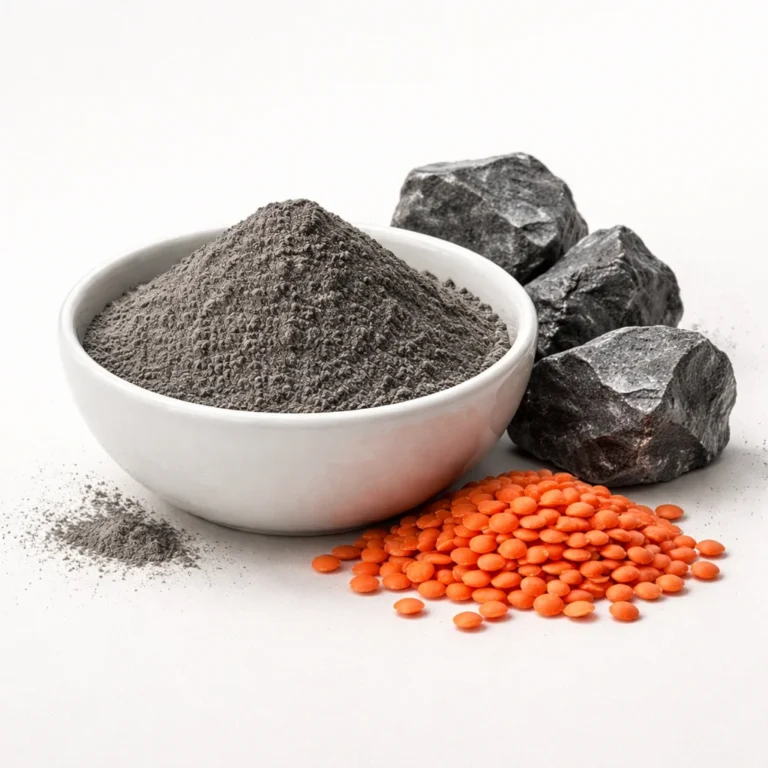
    Essential for oxygen transport and cellular function, iron supports hemoglobin formation and normal energy metabolism. Supplementation is used when intake or stores are insufficient, but effects vary by individual and excess can be harmful. Common side effects include gastrointestinal upset; consult healthcare guidance.

  • Iodine

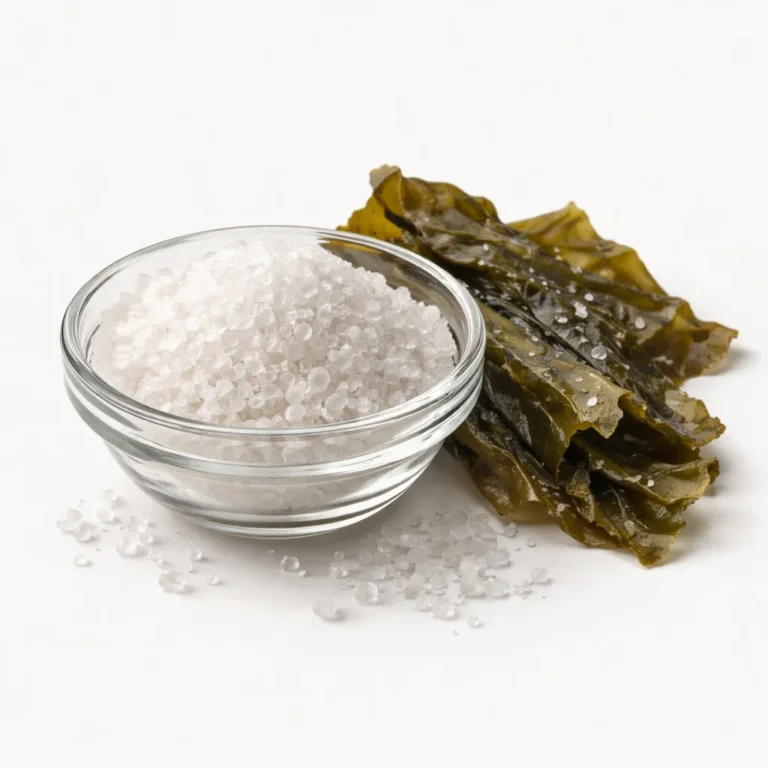
    Iodine is an essential trace element concentrated in marine foods and iodized salt that plays a key role in thyroid-related physiology, growth and neurological development. Dietary sources and supplements such as potassium iodide help maintain adequate intake, but needs vary by life stage and geography.

  • Dolomite

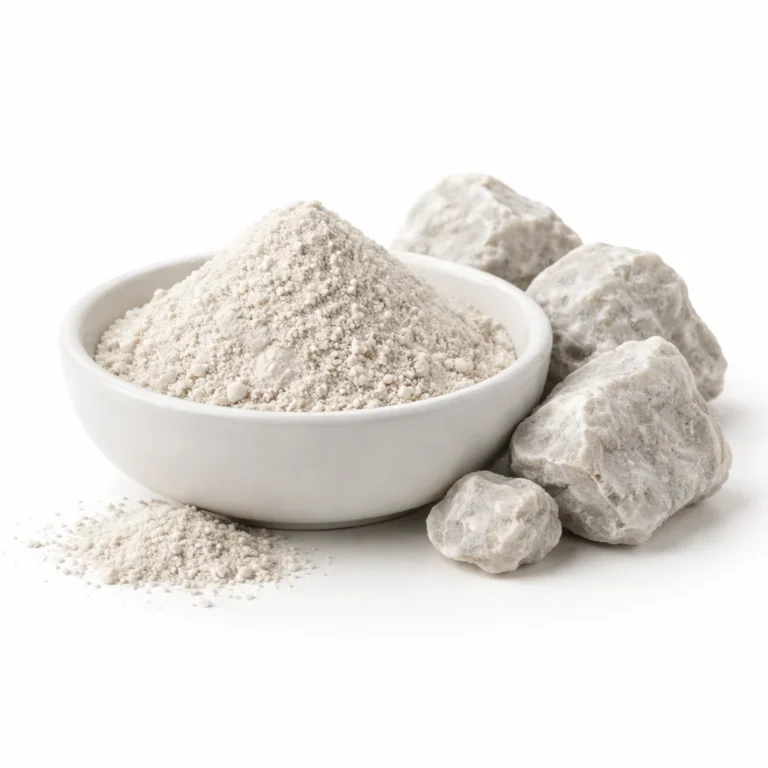
    Micronized dolomite powder supplies calcium and magnesium as dietary minerals and is promoted as a remineralizer for people with low mineral intake. Some users report reduced fatigue and improved sleep, but effects vary and tolerability depends on product purity and dose.

  • Clay

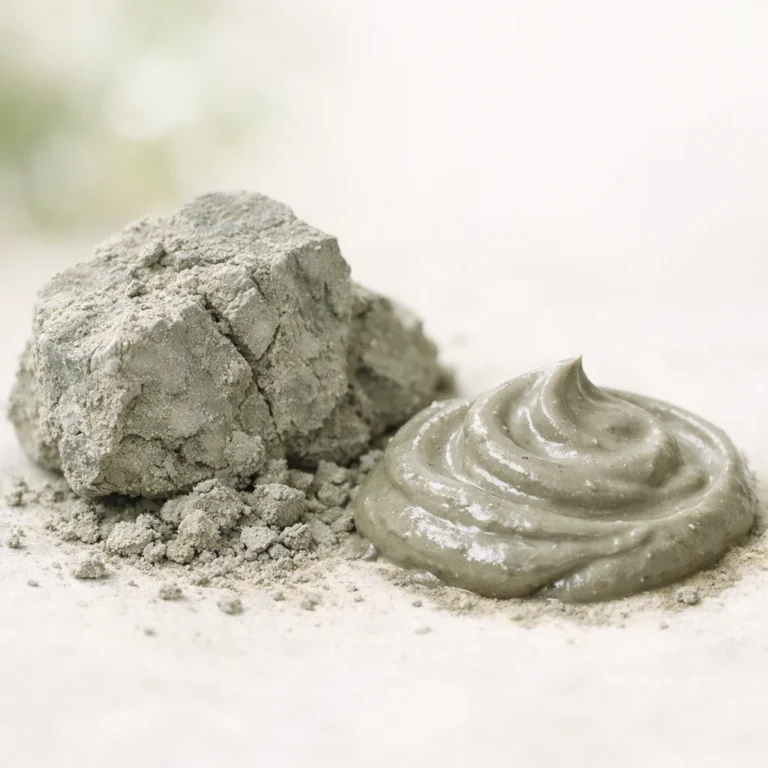
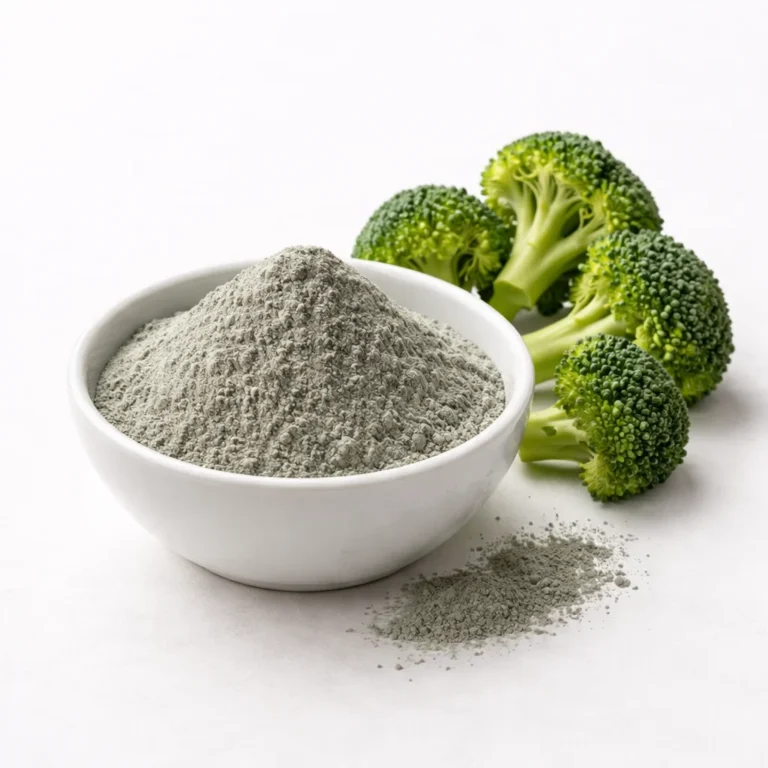
    Clay is a mineral-rich natural material used externally for skin and hair care and sometimes taken internally for digestive comfort. Different types like green clay and kaolin act as absorbent, adsorbent and remineralizing materials used in masks, poultices and supplements. Uses and effects vary by individual.

  • Chromium

    Chromium is a trace mineral found in foods and supplements, mainly as trivalent chromium associated with insulin activity and glycemic balance. Trivalent chromium (Cr3+), often supplied as chromium picolinate, is the nutritional form used in supplements. Industrial hexavalent chromium is toxic and not used nutritionally.

  • Calcium

    Essential mineral for bone and dental strength, calcium supports coagulation, muscle and nerve function, and daily intake is important to prevent deficiency. Supplements are available in carbonate, citrate and hydroxyapatite forms and are often paired with vitamin D to aid absorption.