
Dolomite
A mineral remineralizer supplying calcium and magnesium.
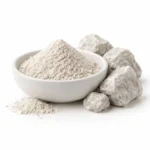
Dolomite is a micronized sedimentary mineral composed primarily of calcium and magnesium carbonates (CaMg(CO3)2). Processed to a fine powder for dietary use, it is presented as a remineralizer and is commonly available in capsule or powdered supplement formats.
Used to help address dietary shortfalls in calcium and magnesium, dolomite may reduce fatigue, modulate stress-related mineral loss, and support sleep quality in some individuals, though effects vary and are not guaranteed. Dosage is adjusted according to the product’s mineral content—often aiming to provide roughly half of recommended daily intakes—and it should not be combined with other calcium or magnesium treatments. Gastrointestinal symptoms such as abdominal pain or diarrhea have been reported in some people, and pairing with vitamin B6 is sometimes recommended to improve tolerance.
At a Glance
Dolomite is a sedimentary mineral made primarily of calcium and magnesium carbonates that is commonly processed to a fine, micronized powder for supplemental use.
Used as a remineralizer, it is intended to supply calcium and magnesium and is typically marketed in capsule or powdered formats.
Effects and tolerability vary by individual and depend on product purity and dosage.
| Common name |
|
|---|---|
| Scientific name | Powdered dolomite rock |
| Origin | Worldwide sedimentary deposits (France, Spain, Italy, Austria, Germany, China, United States, Mexico) |
| Parts used | Micronized powdered rock |
| Active compounds |
|
| Main benefits |
|
| Available forms |
|
Origin & History
Dolomite is a sedimentary carbonate rock composed of the double carbonate CaMg(CO3)2, formed by chemical and biochemical processes in marine environments. Large deposits occur worldwide, notably in parts of Europe (France, Spain, Italy, Austria, Germany), as well as China, the United States and Mexico; the mineral is commonly quarried and micronized for industrial and supplemental uses.
Historically, dolomite has been widely used in construction, agriculture and industry as a durable mineral filler and as a soil treatment to adjust acidity. The name “dolomite” was coined in the late 18th century by Théodore de Saussure in reference to Déodat de Dolomieu, who described the rock in the Alps; over time the mineral has also found roles as a pharmaceutical excipient, an ingredient in toothpaste, and a powdered source of calcium and magnesium in some dietary products.
Composition & Active Compounds
Dolomite is a crystalline sedimentary mineral with a characteristic rhombohedral structure; pure deposits and micronized powders are typically white. Its principal chemical form is the double carbonate CaMg(CO3)2, containing roughly equal amounts of calcium and magnesium and often small traces of iron, manganese and zinc. Calcium and magnesium are the principal active compounds supplied by dolomite powder and are the main reason it is used in supplements. Uses and effects vary by product purity and by individual response.
- Calcium: present as calcium carbonate, primary mineral component
- Magnesium: present as magnesium carbonate, key mineral component
- Iron: trace element present in some deposits
- Manganese: trace element present in some deposits
- Zinc: trace element present in some deposits


Properties & Effects
Dolomite is traditionally known as a mineral-derived supplement used to replenish dietary minerals and support overall mineral balance. It is commonly promoted for general remineralizing purposes and related wellness outcomes.
Remineralizing uses are the most widely documented traditional application of dolomite.
- Remineralizing: may support replenishing dietary mineral levels and addressing mineral shortfalls.
- Anti-fatigue: may support reduced tiredness and improved energy or vitality in some people.
- Anti-stress: may support resilience to stress-related effects and help limit stress-associated depletion.
- Sleep support: may support improved sleep quality and more restorative rest for some individuals.
- Muscle cramp relief: may support a reduction in the frequency or intensity of muscle cramps.
Dosage & How to Use
Dosage should be adjusted according to the product’s calcium and magnesium content.
| Remineralizing |
|
|---|---|
| Anti-fatigue |
|
| Anti-stress |
|
| Sleep support |
|
| Muscle cramp relief |
|
Safety, Side Effects & Contraindications
People taking other calcium or magnesium supplements, or receiving medical treatments that provide these minerals, should avoid using dolomite at the same time unless directed by a healthcare professional; the facts explicitly advise not to combine dolomite with other calcium or magnesium treatments. Individual tolerance and product purity can affect safety and suitability.
Reported side effects include abdominal pain and diarrhea in some users; in those cases the facts note that pairing dolomite with vitamin B6 is sometimes recommended to improve tolerance. Effects and interactions vary by individual, so stop use if adverse symptoms occur and seek professional advice before adding dolomite to any existing mineral or medication regimen.
- Do not combine with other calcium or magnesium treatments: Avoid concurrent use with other supplements or medical therapies that supplement calcium or magnesium.
Do not combine with other calcium or magnesium treatments; consult a healthcare professional before use, especially if taking mineral supplements or medical therapies.