Fruit

  • Pomegranate

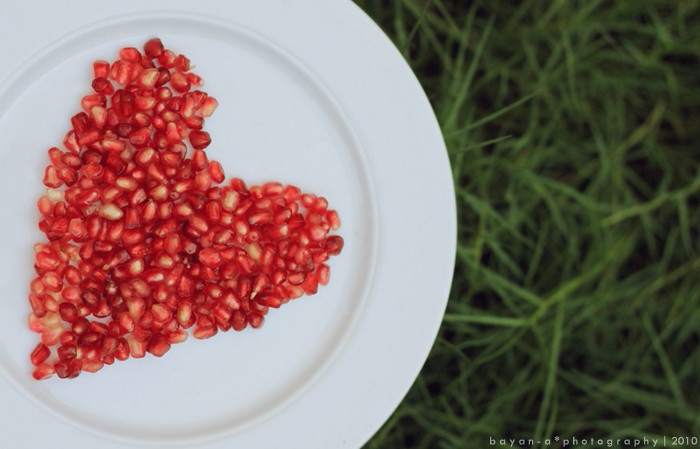
    Juicy arils and the peel of Pomegranate are rich in polyphenols and vitamin C, and the fruit is used fresh, as juice, and in supplements. It is most noted for antioxidant and anti-inflammatory properties supported by research, though individual responses vary. Consult a professional for personalized advice.
  • Prickly Pear

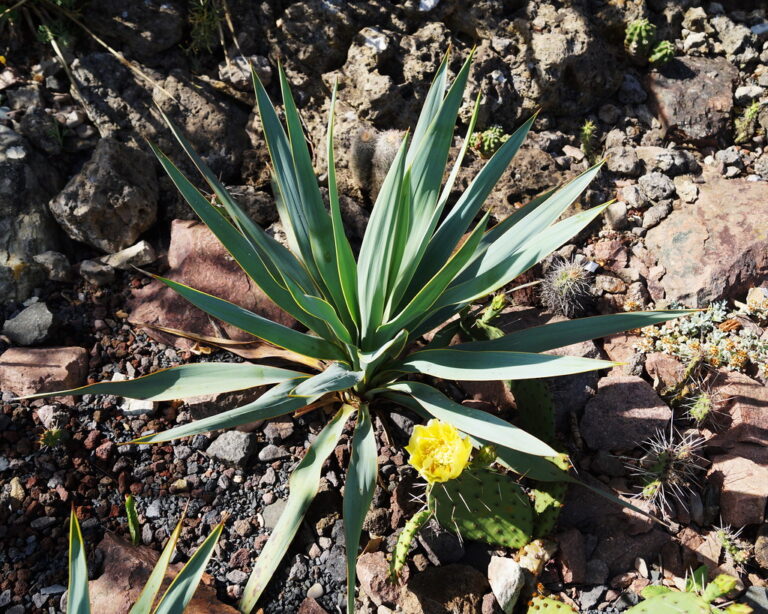
    Prickly Pear is a cactus used as food and in supplements for pads and fruits valued for soluble fibers and antioxidant pigments. The pads are commonly used in powdered or extract forms to help reduce fat and sugar absorption and to increase meal satiety. Effects vary by individual.

  • Pineapple

    Pineapple is a tropical fruit valued for its enzyme-rich stem and immature fruit, traditionally used in digestion and post‑traumatic swelling care. Bromelain-based preparations are researched for digestive support and reducing edema, though individual responses vary. Allergic reactions and gastrointestinal upset have been reported.

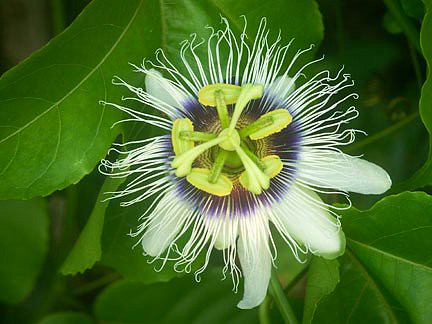
  • Passion Fruit

    Passion Fruit is a tropical vine valued for its aromatic pulp and traditionally used leaves. Extracts are noted for flavonoids, glycosides and harmane alkaloids that relate to relaxation and antioxidant activity. Traditional use and some research suggest it may support mild anxiety relief and sleep quality.

  • Papaya

    Papaya is a tropical fruit high in fiber, vitamin C and provitamin A, used both as food and in traditional remedies. Fermented papaya preparations are noted for increased antioxidant content and interest for immune support. Individual responses vary and known allergies warrant caution.

  • Cranberry

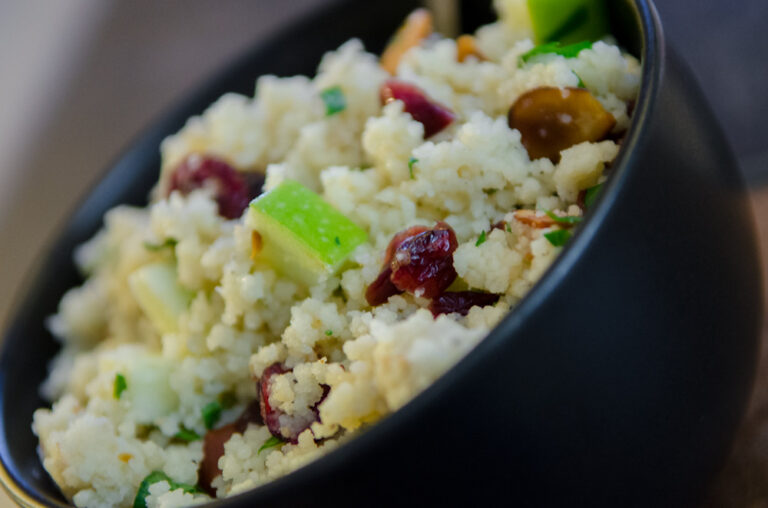
    Cranberry is a small North American berry rich in polyphenols and vitamin C, traditionally used for urinary and digestive concerns and valued for antioxidant activity. Proanthocyanidins are studied for their potential to reduce bacterial adhesion in the urinary tract. Individual responses vary.

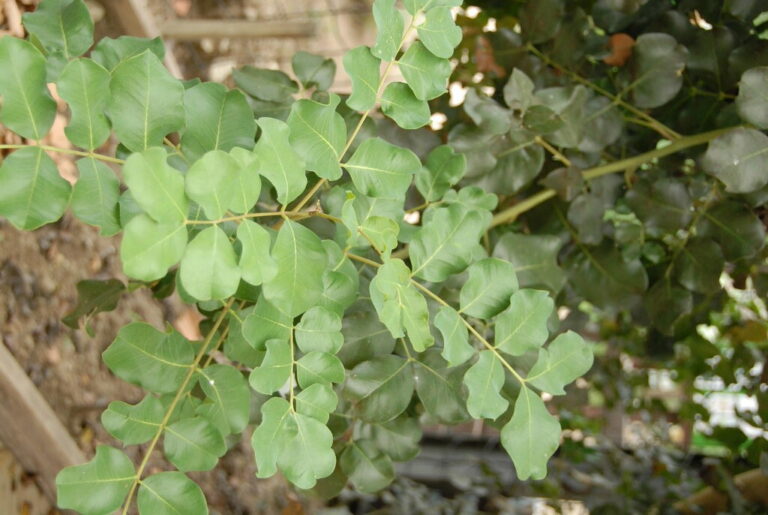
  • Carob

    Carob powder and seed gum come from a Mediterranean evergreen and are used in food, cosmetic and traditional remedy contexts for digestion and metabolic support. Research suggests carob powder may lower LDL cholesterol and carob gum can reduce infant regurgitation in some cases.

  • Camu Camu

    Camu Camu is a tart Amazonian berry prized for its exceptionally high vitamin C content and rich polyphenol profile, traditionally consumed as a diluted juice, powder or in capsules to support energy and seasonal resilience. Its antioxidant-rich fruit is commonly marketed as powder, capsule or juice.

  • Black Currant

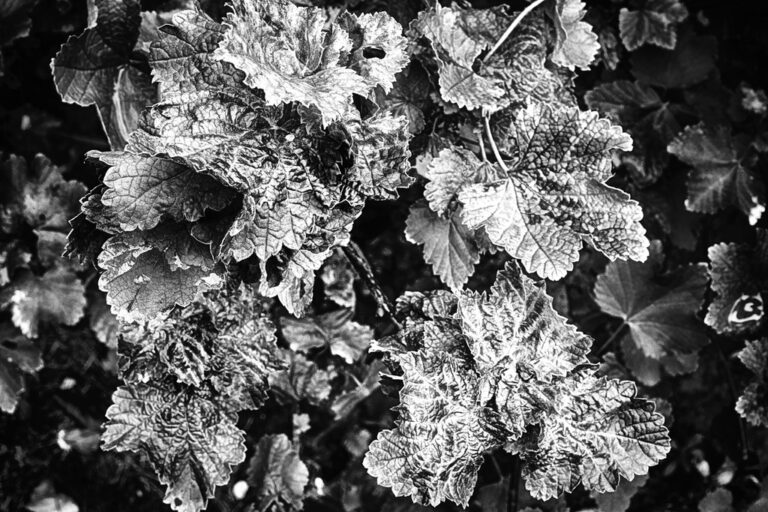
    A compact Eurasian shrub, Black Currant (Ribes nigrum) produces glossy black berries and aromatic leaves used in traditional preparations for urinary elimination and joint discomfort worldwide. Leaf extracts are studied for anti-inflammatory and cartilage-supporting effects while individual responses may vary.

  • Almond

    Almond is a nutrient-dense tree seed used as a snack and a source of pale yellow oil for skin and hair care. Almond oil is prized for its softening and nourishing properties while the seed provides healthy fats, protein, fiber and micronutrients. Individual responses may vary.

  • Acai

    Acai is an Amazonian palm berry valued for its dense nutrient profile and rich polyphenol content, often sold as juice, puree or concentrated extracts. The berry is most noted for its antioxidant and anti-inflammatory properties. Individual effects may vary and product concentrations differ.

  • Acerola

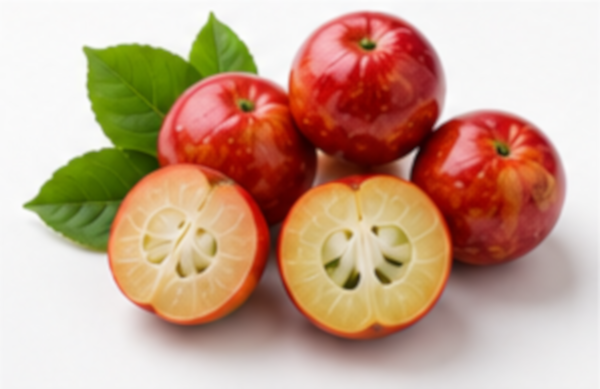
    Acerola is a small tropical cherry prized for its exceptionally high natural vitamin C content and complementary flavonoids and anthocyanins. The fruit is commonly eaten fresh, juiced, or processed into powders and supplements to support energy and antioxidant intake. Its bright red berries spoil quickly after harvest.