
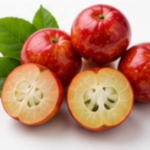
Camu Camu
An Amazonian berry high in vitamin C and antioxidants.
Camu Camu is a small, tart berry native to the Amazon basin—notably Peru and Brazil—valued for its exceptionally high vitamin C content and broad antioxidant profile. The shrub belongs to the myrtle family and produces red to purple berries that are commonly processed into juice, powder, or supplements.
Traditionally consumed as a diluted beverage to support energy and immune resilience, Camu Camu is associated with antioxidant and anti-fatigue uses and is available as fresh fruit, powder, capsules, or tablets. Effects and tolerability vary between individuals and depend on dose, preparation, and underlying health conditions.
At a Glance
A wetland shrub from the Amazon, Camu Camu yields small red to purple berries that are commonly processed into juice, powder, or supplements.
Its fruits are exceptionally rich in vitamin C and a range of polyphenols, which underlie reported antioxidant and anti-fatigue uses.
| Common name | Camu Camu |
|---|---|
| Scientific name | Mirciaria dubia |
| Plant family | Myrtaceae |
| Origin |
|
| Parts used | Fruits (berries) |
| Active compounds |
|
| Main benefits |
|
| Available forms |
|
Origin & History
Camu Camu is native to the Amazon basin, with wild and cultivated populations in Peru, Brazil, Colombia and Venezuela. The shrub thrives in humid, waterlogged habitats such as riverbanks, flooded forests and swampy areas and is now cultivated commercially in parts of Peru and Brazil.
Traditionally, Amazonian communities crushed the berries, strained them and diluted the juice to create a tart beverage used to boost energy and seasonal resilience. The fruit’s pronounced acidity led to common preparation as a diluted juice or powder, and it has long been incorporated into local culinary and folk practices; contemporary use includes powdered, juiced or encapsulated forms. Uses and responses vary between individuals and preparations.
Composition & Active Compounds
Camu Camu produces small red to purple berries about two to three centimetres in diameter; the fruits are the primary material used in supplements and are notable for very high vitamin C levels alongside a mix of vitamins, minerals, amino acids and polyphenolic antioxidants. The fruit’s chemical profile includes vitamins C, D and several B vitamins, minerals such as potassium and calcium, amino acids and a range of polyphenols and flavonoids that contribute to its antioxidant character.
The berry’s high vitamin C content is the primary reason it is used in powdered and capsule supplements.
- Vitamin C: abundant antioxidant compound present in the fruit; involved in collagen formation and redox balance.
- Vitamin D: fat‑soluble vitamin listed among the fruit’s constituents.
- Vitamin B1 (thiamine): B vitamin involved in cellular energy processes.
- Vitamin B2 (riboflavin): B vitamin associated with metabolic reactions.
- Vitamin B3 (niacin): B vitamin that contributes to energy metabolism pathways.
- Potassium: mineral and electrolyte present in the berries; linked in traditional references to cardiovascular and rhythm-related effects.
- Calcium: mineral constituent of the fruit.
- Sodium: mineral constituent of the fruit.
- Iron: trace mineral present in the berries.
- Serine: amino acid detected in the fruit’s composition.
- Leucine: branched‑chain amino acid present in the berries.
- Ellagic acid: polyphenolic compound with antioxidant activity.
- Gallic acid: polyphenolic antioxidant found in the fruit.
- Flavonoids: a class of antioxidant phytochemicals present in the berries.
- Carotenoids: pigment antioxidants occurring in the fruit.
- Tannins: polyphenolic compounds with astringent and antioxidant properties.
Properties & Effects
Camu Camu is traditionally regarded as a tart Amazonian berry used to support energy and resilience; it is commonly consumed as a diluted juice, powder or in supplement form. Its use in local practices emphasizes seasonal support and recovery rather than targeted treatment of specific diseases.
Antioxidant effects are the most frequently reported attribute of Camu Camu.
- Anti‑fatigue: may help reduce feelings of tiredness and support maintenance of daily energy levels.
- Antioxidant: may support protection of cells from oxidative stress and limit damage from reactive molecules.
- Anti‑inflammatory: may support a reduction in inflammatory responses associated with stressors.
- Immune support: may support overall immune function and help the body respond to common seasonal infections.
- Anti‑ageing: may help maintain skin and mucosal elasticity and slow some signs of cellular ageing.
- Wound healing: may support tissue repair and the normal process of skin healing.
- Cardiovascular support: may support heart rhythm regulation and general cardiovascular wellbeing.
Dosage & How to Use
Reported oral dosing options from reference sources are given below.
| Capsule or tablet |
|
|---|---|
| Powder |
|
Safety, Side Effects & Contraindications
Camu Camu should be used with caution by people who have known allergies to the plant or to related species, and by those with certain medical conditions. High supplemental intakes (generally cited as more than three grams per day) and concurrent large doses of vitamin C are discouraged because they increase the risk of adverse effects.
Reported side effects include gastrointestinal disturbances such as intestinal upset or diarrhea; individual tolerance varies with dose, preparation and health status. Consult a qualified healthcare professional before using Camu Camu if taking prescription medicines or managing chronic medical conditions, and discontinue use if unexpected adverse reactions occur.
- Allergy or hypersensitivity: avoid use if there is a known allergy to Camu Camu or related Myrtaceae species.
- High‑dose supplementation: avoid doses above about three grams per day or combining with high amounts of ascorbic acid.
- Renal problems: use is not recommended in cases of kidney disease.
- Hemochromatosis: not recommended for people with genetic iron‑overload conditions.
May cause gastrointestinal upset and is not recommended for people with kidney disease, hemochromatosis, or allergy to Myrtaceae; avoid high supplemental doses. Consult a healthcare professional before use.