Joints & Bone Health

  • Wintergreen

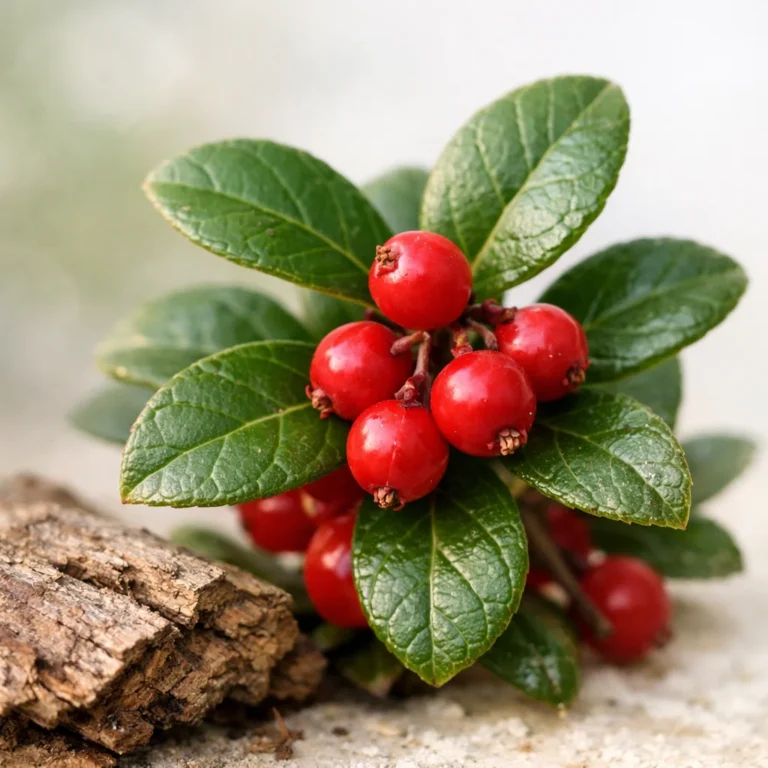
    Wintergreen’s aromatic leaves produce an essential oil rich in methyl salicylate, traditionally used in topical preparations for muscle and joint discomfort. Apply diluted for external use only and avoid use during pregnancy, breastfeeding and in young children; consult a healthcare professional if taking blood-thinning medications.

  • Wild Pansy

    Wild Pansy offers dried tricolour flowers used in herbal infusions and supplements for traditional detoxifying and anti‑inflammatory uses. Notable constituents include salicylic acid, flavonoids and tannins linked to these traditional effects. Ask a healthcare provider before use, especially if taking blood‑pressure medication.

  • Vitamin D

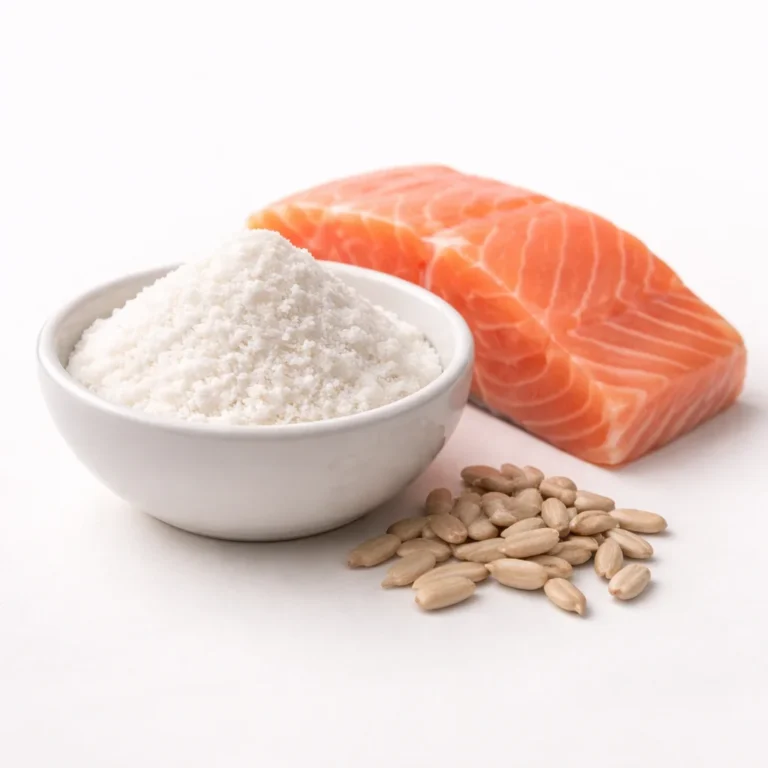
    Vitamin D supports calcium and phosphorus balance and is essential for bone mineralization, muscle function and immune activity. Deficiency is common and may be addressed by dietary sources, sunlight exposure or supplements under guidance. Intake needs vary with age, sun exposure and health status.

  • Vitamin K2

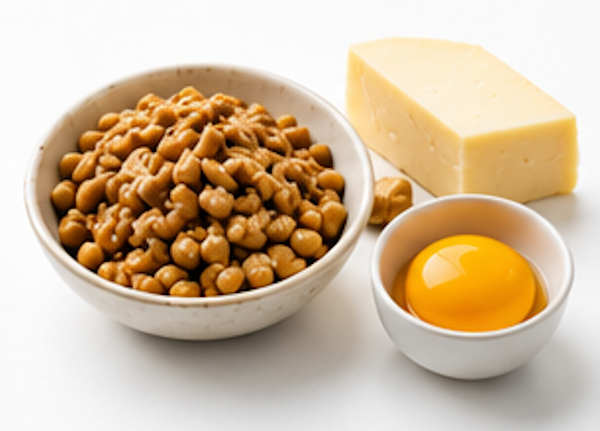
    Vitamin K2 is a family of menaquinones made by gut bacteria and found in animal and fermented foods, involved in calcium handling and normal clotting processes. It supports functions related to bone mineralization and proper calcium distribution. Individual needs and interactions with medications can vary.

  • Silicon

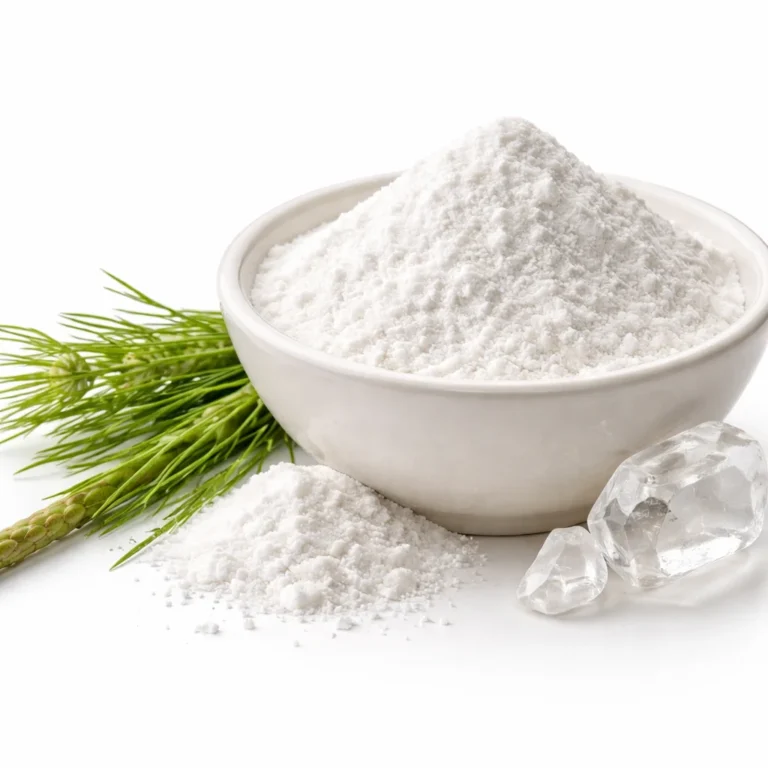
    Silicon is a ubiquitous mineral linked to connective tissue health, bone mineralization, vascular elasticity and the condition of skin, hair and nails. It is present in many plants and foods and appears in topical and oral supplement formats. Individual responses vary and medical advice is recommended before use.

  • Pomegranate

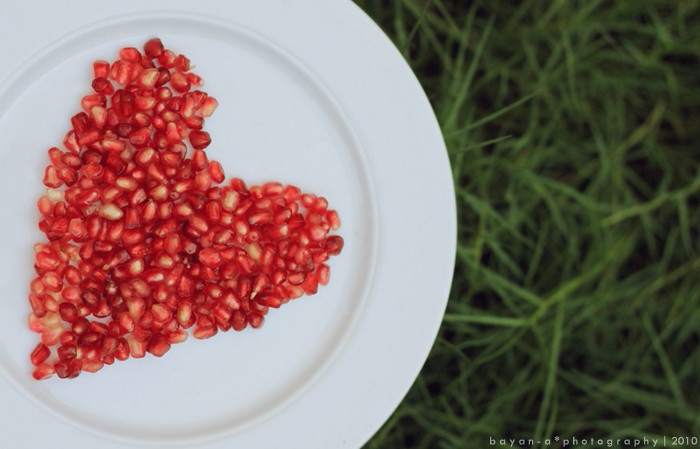
    Juicy arils and the peel of Pomegranate are rich in polyphenols and vitamin C, and the fruit is used fresh, as juice, and in supplements. It is most noted for antioxidant and anti-inflammatory properties supported by research, though individual responses vary. Consult a professional for personalized advice.

  • Phosphorus

    Phosphorus is a ubiquitous mineral present as phosphate in foods and the body, essential for bone and tooth structure and for cellular energy processes. It supports mineralization of bones and contributes to normal energy metabolism. Intake varies and requires caution in kidney disease.

  • Nettle

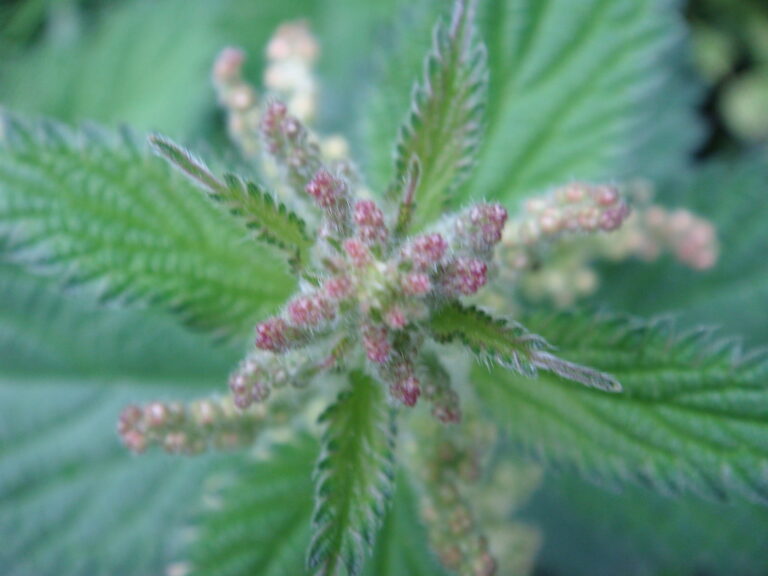
    Nettle is a nutrient-rich herb used for centuries for its remineralising, diuretic and depurative qualities. Leaves and roots supply minerals, vitamins and flavonoids in tinctures, infusions and powders. Effects vary by individual, and it may support general vitality when taken appropriately; consult a healthcare professional for personalised advice.

  • MSM

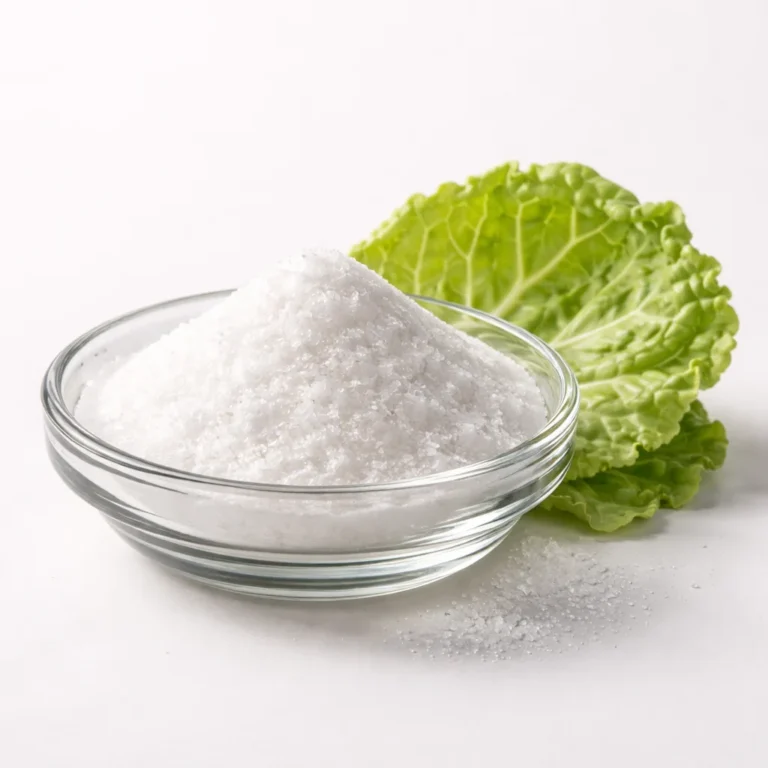
    MSM is a sulfur-containing supplement commonly used to support joint comfort and to address inflammatory symptoms. It is supplied as a white crystalline powder in capsules, tablets and topical creams and is generally well tolerated, though individual responses vary. Consult a healthcare professional for personalized advice.

  • Meadowsweet

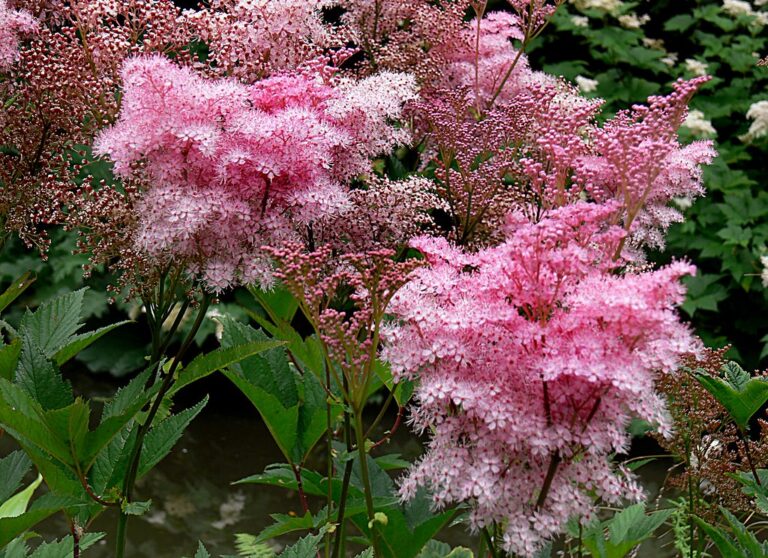
    Meadowsweet is a fragrant wetland herb traditionally used for inflammatory discomfort, fluid retention and gastric protection. Its flowers contain salicylate derivatives, tannins and flavonoids and are commonly used in infusions, extracts and tinctures. Effects vary by individual and interactions are possible with blood‑thinning medications.

  • Magnesium

    An essential mineral involved in over 300 biochemical reactions, magnesium supports energy metabolism, nerve and muscle function and contributes to bone and dental health. Supplemental magnesium is available in several salt forms and may help reduce fatigue while individual needs and safety considerations vary.

  • Lithothamnium

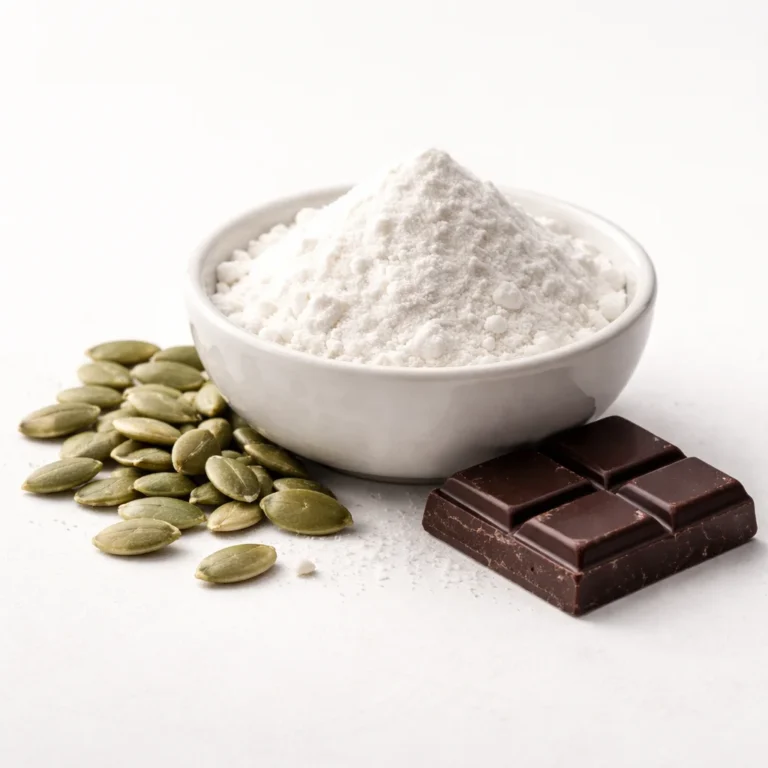
    Lithothamnium is a calcified red alga prized for its mineral-rich, coral-like nodules and use in supplements to supply calcium and magnesium. It is commonly processed into a white powder used for remineralizing and antacid purposes. Individual responses vary; consult a professional when needed.