
MSM
Sulfur-rich supplement commonly used to support joint comfort.
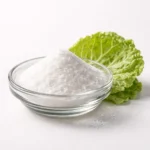
MSM (methylsulfonylmethane) is a naturally occurring organosulfur compound present in some foods and produced in small amounts by the body. Commonly supplied as a white crystalline powder in capsules, tablets or topical creams, it is used as a dietary supplement for its sulfur content and for its reported anti-inflammatory and antioxidant properties.
Often employed in complementary support for joint conditions such as osteoarthritis and arthritis, MSM has been studied for its potential to reduce pain, stiffness and inflammation in some individuals, though responses vary. Typical supplemental doses reported in studies are about 1–3 grams per day; contraindications and safety considerations include avoidance in children, pregnant or breastfeeding people, those with kidney disorders, and individuals undergoing chemotherapy, and occasional mild side effects such as nausea, diarrhea or headache have been reported.
At a Glance
MSM is a naturally occurring organosulfur compound present in the body and at low levels in certain plants and foods. It is commonly supplied as a white crystalline powder and formulated into capsules, tablets and topical creams for supplemental use. Research interest focuses on its reported anti-inflammatory and antioxidant activities, with individual responses varying.
| Common name |
|
|---|---|
| Scientific name | Methylsulfonylmethane |
| Origin |
|
| Active compounds |
|
| Main benefits |
|
| Available forms |
|
Origin & History
MSM (methylsulfonylmethane) is an organosulfur compound produced in small amounts by the body and distributed through the bloodstream. It occurs at low concentrations in certain plants such as horsetail and in foodstuffs including milk, beet, cabbage, tomatoes, coffee, tea and beer, and supplemental preparations were developed because dietary levels are generally modest.
MSM became a preferred alternative to DMSO because it did not produce the garlic-like taste and odor associated with that older compound. As a derivative of DMSO, MSM was adopted into complementary supplementation and topical formulas and has been used in practice to address joint-related inflammation and to increase sulfur intake, with cultural and commercial use focused on easing inflammatory discomfort rather than as a primary pharmaceutical therapy.
Composition & Active Compounds
MSM typically appears as a white crystalline powder used in supplements and topical products; chemically it is an organosulfur compound whose composition includes the MSM molecule itself and a high proportion of elemental sulfur. The primary constituent in supplements is methylsulfonylmethane, which supplies bioavailable sulfur and is the focus of reported anti-inflammatory and antioxidant activity.
- Methylsulfonylmethane: organosulfur compound present as the MSM molecule used in supplements
- Elemental sulfur: inorganic sulfur fraction (approximately 34% of MSM by mass) providing a bioavailable source of sulfur


Properties & Effects
MSM is traditionally known as a sulfur-containing supplement used to support joint comfort and to address inflammatory discomfort. It is most often discussed for reducing symptoms related to inflammation and for potential antioxidant support, with effects that can vary between individuals.
- Anti-inflammatory: MSM may support reduction of inflammation-related pain and swelling in some people.
- Antirheumatic: MSM may support relief of pain and stiffness associated with rheumatic conditions such as osteoarthritis and arthritis.
- Antioxidant: Research suggests MSM may support antioxidant enzyme activity and help manage oxidative stress.
- Cartilage support: MSM may help preserve cartilage and support joint structure in some cases.
- Muscle recovery: MSM may reduce muscle soreness after exercise for some individuals.
- Skin quality: MSM may support improvements in skin condition and appearance for some users.
Dosage & How to Use
Supplemental dosing for MSM varies and is often tailored to individual needs.
| Inflammatory pain |
|
|---|
Safety, Side Effects & Contraindications
Certain populations are advised to avoid MSM or use it only under medical supervision. The facts list children, pregnant or breastfeeding people, individuals with kidney disorders, and patients undergoing anticancer chemotherapy as groups for whom MSM is contraindicated or should be avoided as a precaution.
MSM is generally reported to be well tolerated, but some individuals may experience minor and transient side effects such as nausea, diarrhea and headache. Responses vary between people, so it is prudent to consult a healthcare professional before starting MSM, especially when other health conditions or treatments are present.
- Children: Not recommended as a precaution.
- Pregnancy and breastfeeding: Use is contraindicated during pregnancy and lactation.
- Kidney disorders: People with renal conditions should avoid MSM or seek medical advice before use.
- Chemotherapy: Patients receiving anticancer chemotherapy should avoid MSM due to potential risks and interactions.
Avoid use in children, during pregnancy or breastfeeding, with kidney disorders, or while receiving chemotherapy; consult a healthcare professional before use.