Joints & Bone Health

  • Lemon Eucalyptus

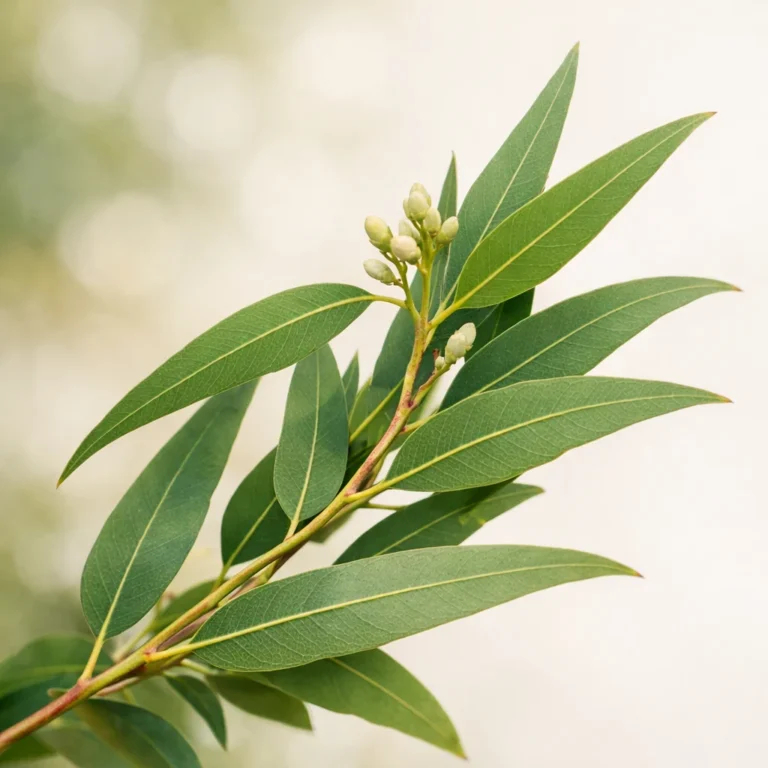
    Lemon Eucalyptus yields a lemon-scented essential oil from its leaves, widely prized for its insect-repellent properties and topical uses in aromatic and massage preparations. Research highlights its effectiveness as a natural mosquito repellent, while individual responses and safety considerations vary.
  • Java Tea

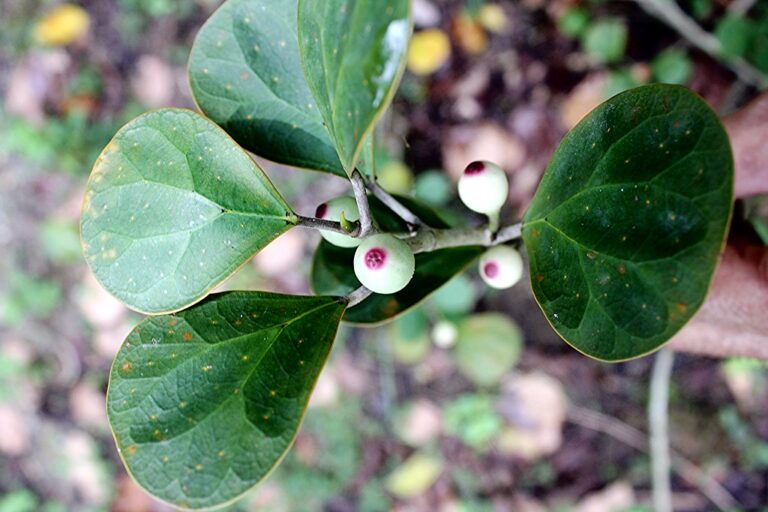
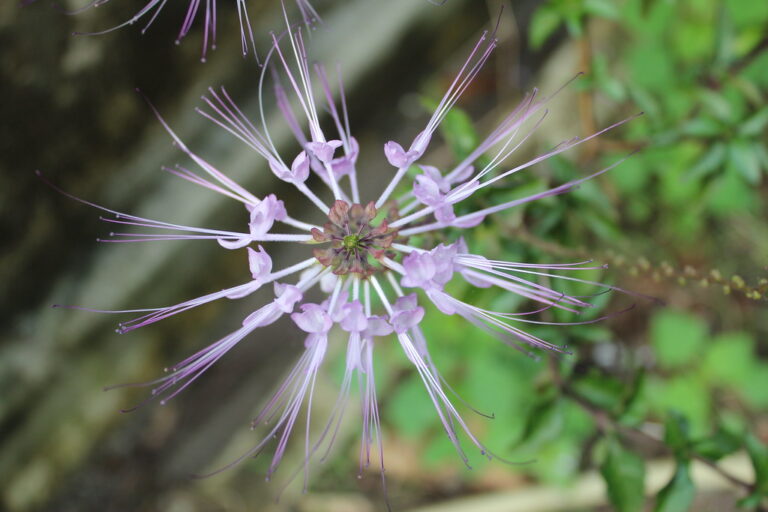
    Java Tea is a Southeast Asian herb traditionally brewed as an infusion to support urinary elimination and fluid drainage. Research highlights its diuretic and antioxidant properties while effects vary by individual. Consult a healthcare professional before use if you have kidney, heart or blood pressure concerns.

  • Hyaluronic Acid

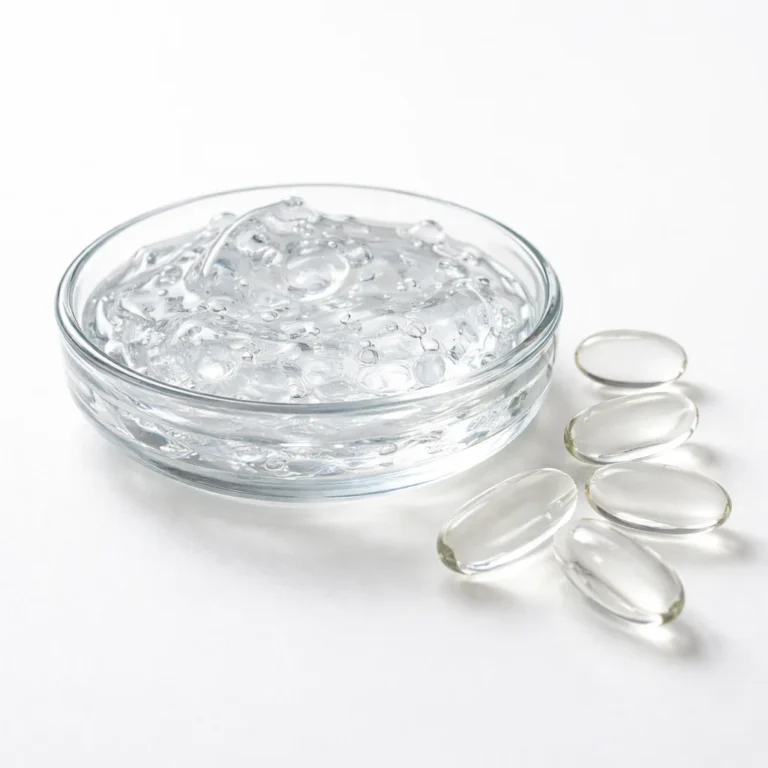
    An abundant extracellular polysaccharide, hyaluronic acid is prized for exceptional water‑binding that supports skin moisture and joint cushioning. It is produced by bacterial fermentation and supplied as injectables, topical gels and oral capsules, with common supplement doses between 120 and 240 mg per day.

  • Horsetail

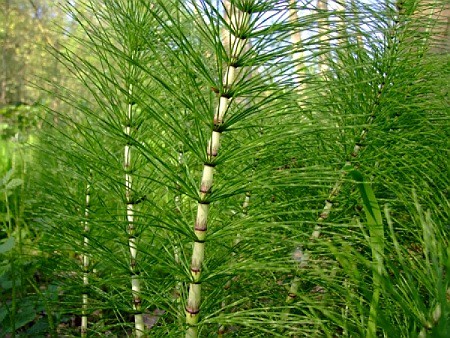
    Horsetail is a silica-rich perennial used traditionally for mineral support, urinary function and minor wound care. Its sterile aerial stems are valued for high silica content and appear in short-term powdered and extract supplements. Individual responses vary; consult a healthcare professional for guidance.

  • Glucosamine

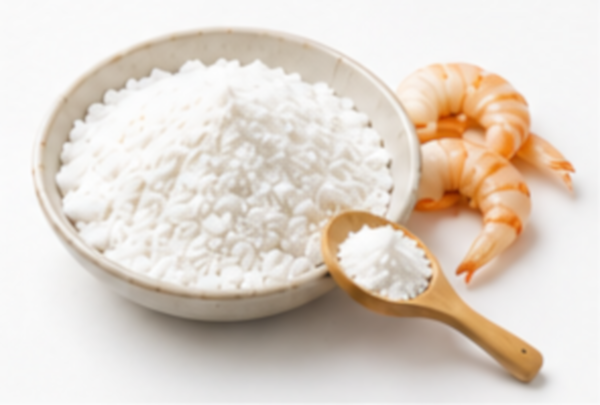
    Glucosamine supports cartilage structure and is commonly used in dietary supplements to help maintain joint comfort and mobility, often combined with chondroitin for cartilage support. Clinical studies frequently use a 1,500 mg daily dose for joint-related outcomes, but responses vary between individuals.

  • Devil’s Claw

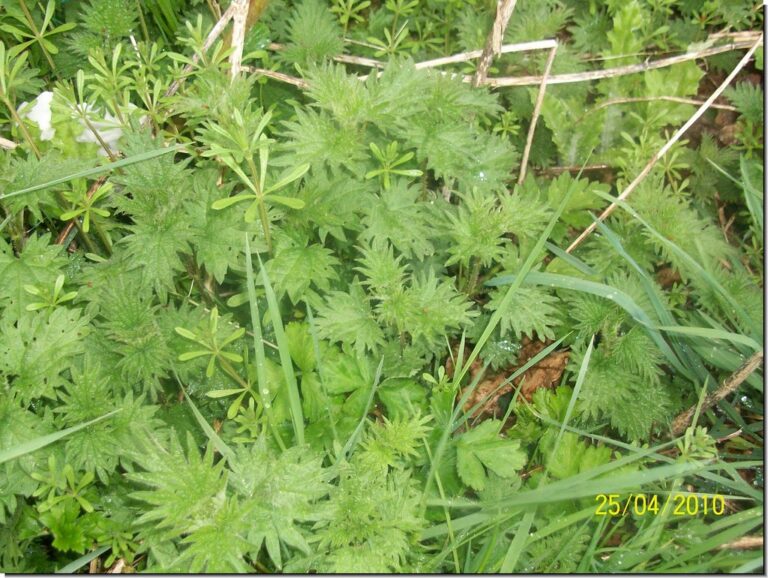
    Rooted in the semidesert landscapes of southern Africa, Devil’s Claw is a tuberous plant used traditionally for joint discomfort and digestive issues. Harpagophytum extracts are commonly standardized for harpagosides. Individual responses vary; follow dosing guidance and consult a professional for safety.

  • Dolomite

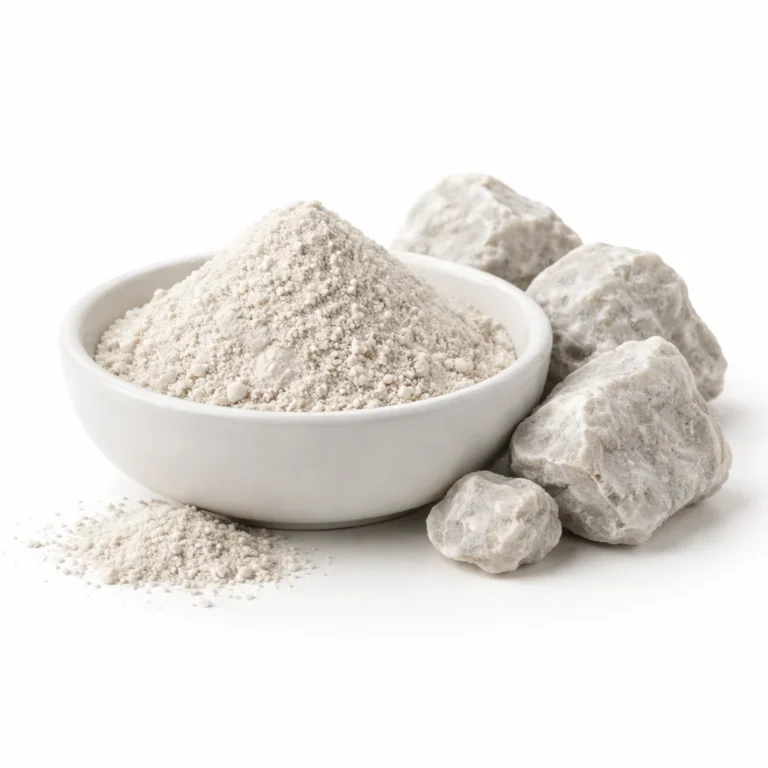
    Micronized dolomite powder supplies calcium and magnesium as dietary minerals and is promoted as a remineralizer for people with low mineral intake. Some users report reduced fatigue and improved sleep, but effects vary and tolerability depends on product purity and dose.

  • Cod Liver Oil

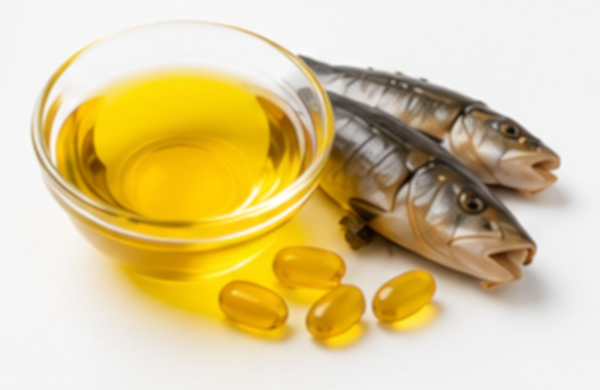
    Cod Liver Oil is a traditional marine supplement high in vitamins A, D and E and long‑chain omega‑3s, used to support bone, immune and cardiovascular health. Concentrations vary by product, so dosing should be adjusted for age, diet and other supplements.

  • Chondroitin

    Chondroitin is a cartilage-derived glycosaminoglycan commonly used in supplements to support joint comfort, cartilage hydration, and flexibility in aging or active individuals. Research has explored its chondroprotective and anti-inflammatory effects, with many studies using a daily dose near 1200 mg over weeks to months.

  • Cherry Stems

    Cherry stems are dried peduncles of sour cherry prized in traditional herbalism for their draining and detoxifying reputation, rich in potassium salts and polyphenols. They are commonly used in infusions or powdered supplements to support fluid balance and urinary tract health.

  • Calcium

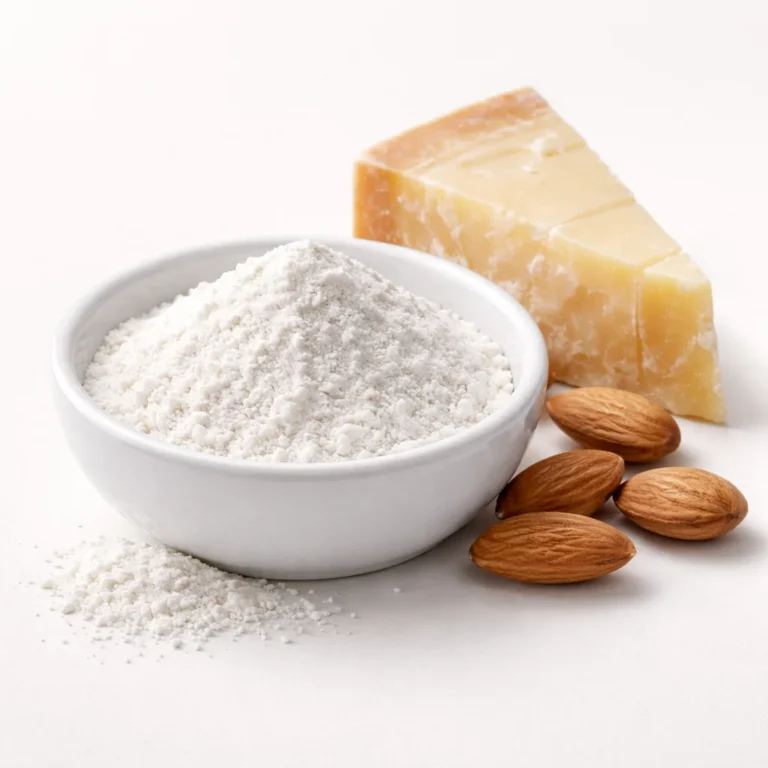
    Essential mineral for bone and dental strength, calcium supports coagulation, muscle and nerve function, and daily intake is important to prevent deficiency. Supplements are available in carbonate, citrate and hydroxyapatite forms and are often paired with vitamin D to aid absorption.

  • Borage

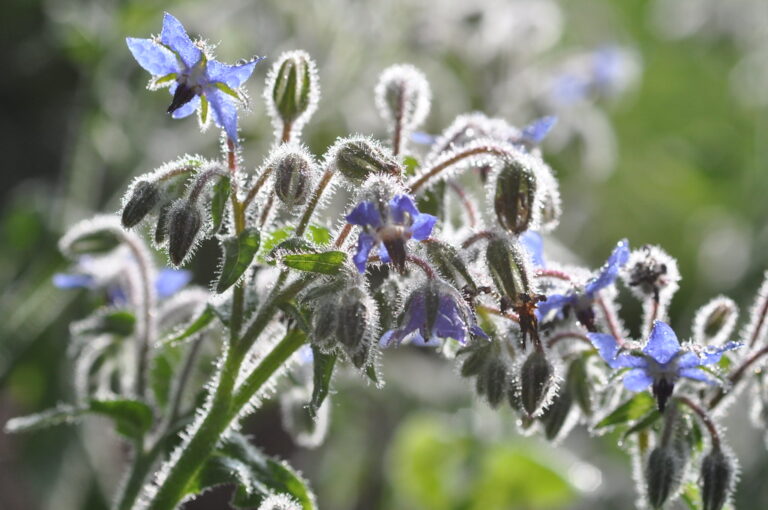
    Borage is an annual Mediterranean herb prized for edible leaves and a seed oil high in gamma-linolenic acid, used in topical and oral preparations. Clinical research has explored seed oil for reducing symptoms in rheumatoid arthritis. Safety varies by preparation; aerial parts can contain hepatotoxic pyrrolizidine alkaloids.