
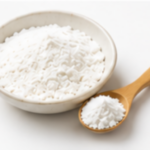
Chondroitin
A cartilage-supporting supplement for joint comfort.
Chondroitin is a glycosaminoglycan commonly present in the extracellular matrix of articular cartilage, typically supplied as chondroitin sulfate extracted from animal cartilage such as shark, bovine, porcine, or fish. As a structural component of cartilage, it contributes to tissue hydration and elasticity and is used in oral supplement formulations intended to support joint comfort and cartilage integrity.
Clinical research has examined chondroitin for chondroprotective and anti-inflammatory activity, with many studies evaluating its use in joint conditions; typical study dosing is around 1200 mg daily, though formulations and combinations (for example with glucosamine) vary. Individual responses can differ, and chondroitin is not recommended during pregnancy or lactation and may be contraindicated in people with bleeding disorders; occasional mild gastrointestinal effects have been reported, so medical advice is advised before starting supplementation.
At a Glance
Chondroitin is a naturally occurring glycosaminoglycan found predominantly in the extracellular matrix of articular cartilage and commonly supplied as chondroitin sulfate extracted from animal cartilage such as shark, bovine, porcine, or fish.
It is offered in oral supplement formulations to support cartilage hydration and elasticity and to promote joint comfort, although individual responses may vary. Typical research dosing is around 1200 mg daily, and products are often combined with glucosamine.
| Common name |
|
|---|---|
| Scientific name | Chondroitin sulfate |
| Origin |
|
| Parts used | Cartilage |
| Active compounds |
|
| Main benefits |
|
| Available forms |
|
Origin & History
Chondroitin is a naturally occurring glycosaminoglycan found throughout the bodies of humans and other animals, particularly concentrated in the extracellular matrix of articular cartilage; it is also present in skin, the cornea, arteries and tendons. In commercial production, chondroitin sulfate is typically extracted from the cartilage of animals such as sharks, fish, cattle and pigs and is formulated into oral supplement products.
Cartilage-rich broths and animal cartilage preparations have long appeared in traditional diets and folk remedies in various cultures. The use of cartilage-derived materials in traditional practices predates modern extraction techniques, and the development of standardized chondroitin supplements is a more recent, industrial practice; individual responses to these products vary, and historical use does not constitute a guarantee of effect.
Composition & Active Compounds
Chondroitin is a carbohydrate macromolecule typically supplied as chondroitin sulfate and, when isolated for supplements, is a high-molecular-weight material composed of repeating disaccharide units. Its main chemical constituents are glucuronic acid and N-acetyl-galactosamine arranged into sulfated chains that define the compound’s biological properties.
Chondroitin-4-sulfate and chondroitin-6-sulfate are the principal forms used in supplements and represent the most important active constituents.
- Chondroitin-4-sulfate: sulfation at the 4 position of the N-acetyl-galactosamine unit
- Chondroitin-6-sulfate: sulfation at the 6 position of the N-acetyl-galactosamine unit
- Glucuronic acid: uronic acid unit in the disaccharide backbone
- N-acetyl-galactosamine: amino sugar unit in the disaccharide backbone
Related Herbs



Properties & Effects
Chondroitin is principally known as a structural glycosaminoglycan in articular cartilage and is commonly used in supplement form to address joint-related concerns. It is frequently studied for effects on cartilage health and symptoms associated with degenerative joint conditions.
The most well-documented property is its chondroprotective activity, with research suggesting it may help protect cartilage and support joint comfort.
- Chondroprotective: Research suggests it may support protection, repair and maintenance of joint cartilage.
- Anti-inflammatory: Studies indicate it may help reduce inflammation associated with joint disorders.
- Supports joint comfort: Clinical evidence suggests it may help reduce joint pain and improve comfort in affected joints such as knees, hips and fingers.
Dosage & How to Use
Clinical studies commonly used a daily dose of 1200 mg for joint-related benefits.
| Joint well-being | 1200 mg daily |
|---|---|
| Combination with glucosamine |
|
Safety, Side Effects & Contraindications
Chondroitin is not recommended for people who are pregnant or breastfeeding and is contraindicated for individuals with coagulation or bleeding disorders; some studies indicate it may have anticoagulant activity and could therefore interact with blood-thinning medications. Reported side effects are generally mild and infrequent, with occasional gastrointestinal disturbances being the most common.
Individual responses vary, and safety depends on dose, formulation, and concurrent medications or conditions. Seek medical advice before starting chondroitin if taking anticoagulant or antiplatelet drugs, if there is any history of bleeding problems, or if other medical concerns exist, and adhere to recommended dosing to help minimize the risk of adverse effects.
- Pregnancy and lactation: Not recommended for use during pregnancy or breastfeeding.
- Bleeding disorders: Contraindicated in people with coagulation or bleeding disorders; may have anticoagulant activity.
Not recommended during pregnancy or breastfeeding; may affect blood clotting and interact with anticoagulant medications—consult a healthcare professional before use.