
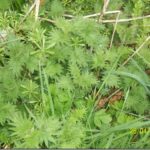
Devil’s Claw
A traditional anti-inflammatory root used for joint discomfort and digestive support.
Devil’s Claw (Harpagophytum procumbens) is a perennial in the Pedaliaceae family native to the semidesert regions of southern Africa, including Namibia and the Kalahari. Recognizable by its hooked fruits, the plant’s secondary roots (tubers) are traditionally harvested and processed into powdered root and extracts; it has been used historically for joint discomfort, low back pain, appetite stimulation and mild digestive complaints and has been the subject of clinical research into anti-inflammatory and analgesic effects.
Preparations are typically standardized for iridoid glycosides such as harpagosides and are available as capsules, tinctures and teas. Individual responses and appropriate dosing vary; safety considerations include avoiding use in children, pregnancy and lactation, monitoring blood glucose in people with diabetes, and potential interactions with anticoagulants, antiplatelet agents and certain gastric acid regulators—seek guidance from a qualified healthcare professional before use.
At a Glance
A tuberous perennial from the Pedaliaceae family native to the semidesert regions of southern Africa, Devil’s Claw is harvested for its secondary roots and processed into powders and extracts. Preparations are typically standardized for iridoid glycosides such as harpagosides and used traditionally for joint discomfort and digestive complaints.
| Common name |
|
|---|---|
| Scientific name | Harpagophytum procumbens |
| Plant family | Pedaliaceae |
| Origin | Southern Africa (Namibia, Kalahari) |
| Parts used | Secondary roots (tubers) |
| Active compounds |
|
| Main benefits |
|
| Available forms |
|
Origin & History
Devil’s Claw (Harpagophytum procumbens) originates in the semidesert regions of southern Africa, including the Kalahari and areas of Namibia. It thrives in sandy and loamy soils as a tuberous perennial; the secondary roots or tubers are the parts traditionally harvested for use.
For many southern African communities, Devil’s Claw has been a traditional remedy for joint discomfort, digestive complaints and as a topical treatment for wounds, burns and sprains. Indigenous groups such as Khoisan, San and Bantu peoples used powdered root, infusions and poultices for a range of conditions; a European settler later documented the plant and sent specimens abroad, which helped introduce Devil’s Claw into wider herbal practice.
Composition & Active Compounds
Devil’s Claw is a tuberous perennial with sprawling stems and distinctive hooked fruits; the therapeutic material is derived from the swollen secondary roots or tubers. Chemically, the root contains iridoid glycosides (notably harpagosides and harpagid), procumbine, polysaccharides, phenolic acids and flavonoids, which together define the extract profile and are the focus of phytochemical and pharmacological study. Harpagosides are the principal iridoid glycosides most commonly standardized in supplements and are widely regarded as a key active marker.
- harpagosides: iridoid glycosides commonly standardized in extracts and associated with anti-inflammatory and analgesic activity
- harpagid: an iridoid glycoside present in the root
- procumbine: an iridoid constituent occurring alongside other glycosides
- polysaccharides: carbohydrate components that contribute to overall extract composition
- phenolic acids: antioxidant components found in the root
- flavonoids: polyphenolic compounds with antioxidant and modulatory potential
Properties & Effects
Devil’s Claw is traditionally known for use in southern African folk medicine to address joint discomfort, low back pain and mild digestive problems. It has also been used to stimulate appetite and as a topical remedy for sprains and wounds.
The anti-inflammatory and analgesic effects are the most extensively studied and commonly cited uses.
- Anti-inflammatory: may support management of joint inflammation and related discomfort.
- Analgesic: may support relief from musculoskeletal pain, including low back discomfort.
- Digestive support: may support digestion and ease mild digestive complaints such as bloating and flatulence.
- Appetite stimulation: may support increased appetite when intake is reduced.
- Antioxidant: may have activity against free radicals that could help protect tissues from oxidative damage.
Dosage & How to Use
Use established dosing ranges as a starting point; individual responses and product concentrations can vary.
| Joint pain, low back pain and osteoarthritis |
|
|---|---|
| Digestive problems |
|
| Appetite stimulation |
|
Safety, Side Effects & Contraindications
Certain groups should avoid or use Devil’s Claw with caution. Use is not recommended for children under 18, or for women who are pregnant or breastfeeding; people with heart conditions or unstable blood pressure should also take care. Reported adverse effects are generally mild at recommended doses and can include gastrointestinal symptoms such as diarrhea and abdominal pain, occasional allergic skin reactions and headache.
Devil’s Claw can affect blood glucose and gastric secretions and may interact with several prescription medicines; people with diabetes, those taking anticoagulant or antiplatelet drugs, or those using proton pump inhibitors should monitor effects closely and seek professional advice before combining treatments. In some cases combinations are advised against due to increased bleeding risk or altered drug effectiveness.
- Pregnancy and breastfeeding: not recommended for use
- Children: not recommended under 18 years
- Gastric or duodenal ulcers: contraindicated
- Gallstones (cholelithiasis): use only after medical advice due to increased bile production
- Diabetes: may lower blood glucose; avoid if diabetes is poorly controlled and monitor if combined with antidiabetic drugs
- Anticoagulants (warfarin): increased anticoagulant activity and bleeding risk; combination should be avoided or closely monitored
- Antiplatelet agents: may increase antiplatelet effect; combination should be avoided
- Proton pump inhibitors: may reduce PPI effectiveness by increasing gastric acid production; monitor clinical signs of reduced efficacy
- Cardiovascular conditions and blood pressure: use with caution in people with heart problems or unstable blood pressure
May interact with anticoagulant, antiplatelet and antidiabetic medications and is not recommended in pregnancy, breastfeeding or for children; consult a healthcare professional before use.