
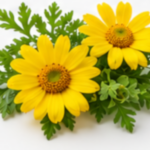
Chrysanthellum
A traditional liver‑support herb used in infusions and extracts.
Chrysanthellum (Chrysanthellum indicum), a small herb in the Asteraceae family native to mountainous regions of South America and widely naturalized in parts of Africa, produces bright yellow flower heads and finely divided leaves. Traditionally used for digestive and circulatory support, it is noted for hepatoprotective and choleretic activity and has been associated with lipid‑lowering, venotonic, antioxidant and anti‑inflammatory effects; these properties are attributed to flavonoids, saponosides and phenolic acids present in the plant.
Flowers, leaves and fruits are used in infusions, extracts and standardized supplements, with traditional dosing often cited in the 1,000–1,500 mg per day range for short courses. Chrysanthellum is contraindicated in children, during pregnancy and breastfeeding, in people with biliary dyspepsia or allergy to Asteraceae; mild transient adverse effects such as headache, abdominal discomfort, nausea or vomiting have been reported. Uses and effects may vary by individual, and consultation with a qualified healthcare professional is recommended before use.
At a Glance
A low-growing herb in the Asteraceae family, Chrysanthellum has bright yellow flower heads and a history of traditional use in South America and parts of Africa for liver and circulatory support.
It is noted for hepatoprotective and choleretic activity and contains flavonoids, saponosides and phenolic acids.
| Common name |
|
|---|---|
| Scientific name | Chrysanthellum indicum |
| Plant family | Asteraceae |
| Origin | South America (Peru, Bolivia) |
| Parts used |
|
| Active compounds |
|
| Main benefits |
|
| Available forms |
|
Origin & History
Chrysanthellum is native to the mountainous regions of Peru and Bolivia and is commonly found in savannas and high plateaus; it has become established in parts of Africa where similar open, well‑drained habitats occur. The plant is a low herb with bright yellow flower heads and dry achenes, historically collected both wild and in small‑scale cultivation for local medicinal use.
In African folk medicine Chrysanthellum has been used traditionally to treat jaundice and hepatitis. Comparable therapeutic uses appear in South American traditions, and the plant has been adopted in some Chinese herbal practices for anti‑inflammatory purposes and protection against UV‑related skin concerns; these historical uses reflect cultural experience rather than a guarantee of effects, and individual responses may vary.
Composition & Active Compounds
Chrysanthellum is a low herb 10–30 cm tall with slender round stems, finely divided leaves and bright yellow flower heads; flowers, leaves and fruits are used in preparations. Its chemistry is dominated by flavonoids, saponosides, tannins and phenolic acids such as caffeic acid, compounds that help explain the plant’s traditional antioxidant, liver‑supportive and circulatory uses. Extracts of flowers, leaves and fruits standardized for flavonoid content are the forms most commonly used in supplements.
- Flavonoids (glucosyl-eriodictiol, glucosyl-iso-okanina, maritimeina, maréina): polyphenolic compounds linked to antioxidant and liver-supporting activity
- Saponosides (crisantelinas A and B): glycosides that may influence lipid metabolism and vascular function
- Tannins: astringent polyphenols present in aerial parts
- Caffeic acid: a phenolic acid with antioxidant properties
Related Herbs

Properties & Effects
Chrysanthellum is traditionally used for liver support, circulation and digestive complaints, and individual responses to the herb may vary. Hepatoprotective effects are the most widely reported traditional use of Chrysanthellum.
- Hepatoprotective: may support liver health and is traditionally used after overindulgence or in cases of liver stress.
- Digestive support: may help with digestion and reduce post-meal bloating.
- Lipid‑lowering: research suggests it may help reduce circulating blood lipid levels.
- Venotonic and antiedematous: may support healthy circulation, relieve sensations of heavy legs and reduce fluid retention.
- Antioxidant: may provide antioxidant activity that helps protect cells from oxidative damage.
- Anti‑inflammatory: may help limit inflammatory processes and related discomfort.
Dosage & How to Use
Traditional dosing guidance and common supplement regimens are outlined below.
| Traditional short-course |
|
|---|
Safety, Side Effects & Contraindications
Chrysanthellum is not recommended for certain groups and should be used with caution: people with biliary disorders, those with known allergy to Asteraceae plants, and those who are pregnant, breastfeeding or children are advised to avoid use. Information on interactions with specific medications is limited, so anyone taking prescription drugs or with chronic health conditions should consult a qualified healthcare professional before using the herb.
Mild, transient adverse effects have been reported, including headache, abdominal pain, nausea and vomiting; symptoms usually resolve on stopping the herb. If signs of an allergic reaction or worsening symptoms occur, discontinue use and seek medical advice.
- Children: use is not recommended.
- Pregnancy and breastfeeding: contraindicated during pregnancy and lactation.
- Biliary dyspepsia: should be avoided in people with biliary dyspepsia.
- Asteraceae allergy: avoid if allergic to plants in the Asteraceae family.
Avoid use in pregnancy, breastfeeding, children, biliary dyspepsia or if allergic to Asteraceae; consult a healthcare professional before use, especially if taking medications or managing chronic conditions.