
Milk Thistle
A medieval Asteraceae herb traditionally used for liver complaints, with seeds containing silymarin studied for antioxidant and hepatoprotective activity.
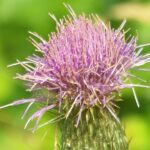
Milk Thistle (Silybum marianum) is a biennial herb in the Asteraceae family, native to southern Europe, North Africa and western Asia. The plant is recognizable by purple flower heads and white-veined leaves; its seeds contain silymarin, a complex of flavonolignans that has been studied for antioxidant and hepatoprotective properties.
Traditionally used to support the liver and biliary system, milk thistle is available as whole seeds, standardized extracts, capsules and tinctures. Research has examined its potential effects in alcoholic and non-alcoholic liver conditions, but findings vary and uses and effects may differ by individual. Common supplement guidance equates to roughly 50–200 mg of silymarin up to three times daily (not exceeding 600 mg/day); adverse effects are uncommon but allergic reactions have been reported, and people taking blood sugar–lowering medications should monitor glucose. Consult a qualified healthcare professional before beginning supplementation.
At a Glance
A biennial member of the Asteraceae, milk thistle produces purple flower heads and seeds that concentrate silymarin, a complex of flavonolignans researched for antioxidant and liver-supporting properties. Traditionally used for liver and biliary complaints, it is commonly found as seeds, standardized extracts and various supplement formats, and effects may vary by individual.
| Common name |
|
|---|---|
| Scientific name | Silybum marianum |
| Plant family | Asteraceae |
| Origin |
|
| Parts used | Seeds |
| Active compounds |
|
| Main benefits |
|
| Available forms |
|
Origin & History
Milk thistle (Silybum marianum) is native to southern Europe, North Africa and western Asia and typically grows as a biennial in dry, uncultivated, sunny sites. The plant is notable for its spiny purple flower heads and distinctive white‑veined leaves, with seeds concentrated in oily, silymarin‑rich kernels.
Known since antiquity, milk thistle features in Mediterranean herbal literature and in various folk traditions across regions where it naturalized. According to legend, drops of the Virgin Mary’s milk fell on the leaves, producing the characteristic white markings and inspiring the common name and associations with nursing and protection. Classical herbalists recommended preparations for biliary and liver complaints, while traditional systems in India and China recorded uses for digestive concerns, spleen and liver conditions, menstrual irregularities and to support lactation; it was also cited as a remedy against certain plant and fungal poisons. Historical uses reflect cultural practice rather than modern clinical proof, and effects may vary by individual.
Composition & Active Compounds
Milk thistle is a biennial herb with spiny, white‑veined leaves and purple flower heads; seeds are black, oily and rich in concentrated phytochemicals. The seed fraction contains roughly 4–6% silymarin (a group of flavonolignans), a substantial lipid fraction and a range of flavonoids and vitamins that define the plant’s chemical profile.
The seeds are the primary part used in supplements and are the main source of silymarin.
- Silymarin: mixture of flavonolignans concentrated in seeds, standard marker for extracts
- Silibinin: the principal flavonolignan component of silymarin
- Silidianin: one of the flavonolignans in the silymarin complex
- Silicristin: another flavonolignan component of silymarin
- Quercetin: flavonoid present among seed constituents
- Taxifolin: flavonoid (dihydroquercetin) listed among active flavonoids
- Kaempferol: flavonoid present in the plant’s profile
- Linoleic acid: major unsaturated fatty acid in seed oil
- Oleic acid: monounsaturated fatty acid in seed oil
- Palmitic acid: saturated fatty acid found in seed oil
- Vitamin E: oil‑soluble antioxidant present in seed oil
Related Herbs
Properties & Effects
Milk thistle is traditionally known as a liver‑supporting herb used for biliary and hepatic complaints across multiple folk and medical traditions. Modern research has focused on several of its effects related to liver health and cellular protection.
Research has most consistently examined its hepatoprotective effects.
- Hepatoprotective: Research suggests it may support overall liver function and has a long history of use for liver and biliary complaints.
- Antioxidant: It may support the reduction of oxidative stress and help protect cells from free radical damage.
- Detoxification support: It may help protect the liver against certain chemical and environmental toxins.
- Support for liver regeneration: It may support regenerative processes in liver tissue after injury.
- Anti‑fibrotic potential: Some studies suggest it may help slow the progression of liver fibrosis.
Dosage & How to Use
Follow established dosing guidance and consult a qualified healthcare professional before use.
| Plant (dried) |
|
|---|---|
| Silymarin (active) |
|
Safety, Side Effects & Contraindications
Most people tolerate milk thistle well, and reported adverse effects are uncommon and primarily consist of rare allergic reactions. Individuals who experience signs of an allergic response should stop use and seek medical advice.
Milk thistle can reduce blood sugar, so people taking blood sugar–lowering medications should monitor glucose regularly and consult a healthcare professional before starting supplementation; medication adjustments may be necessary under medical supervision.
- Allergy: Rare allergic reactions have been reported; avoid if known allergy
- Blood sugar lowering: May decrease blood glucose; people on blood sugar–lowering treatment should monitor levels and seek medical advice
May cause rare allergic reactions and can lower blood sugar; consult a healthcare professional before use, especially if taking hypoglycemic medications or if allergic.