
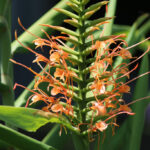
Ginger
Originating from Southeast Asia, the ginger rhizome is rich in gingerols and shogaols and has long culinary and traditional use beyond its reputation as an aphrodisiac.
Ginger (Zingiber officinale) is a tropical perennial native to Southeast Asia whose aromatic rhizome is used fresh or dried as both a culinary spice and a traditional herbal remedy. The rhizome contains phenolic compounds such as gingerols and shogaols that are associated with antioxidant and anti-inflammatory activity; historically it has been used as a warming tonic and to support digestion and relief from nausea.
Ginger is available as fresh or dried rhizome, powdered spice, teas, and concentrated extracts or supplements. Published studies report beneficial effects with powdered-rhizome doses commonly between 1 and 5 grams per day (not exceeding about 10 grams daily); individual responses vary, and certain groups — for example people with high fever, ulcers, biliary obstruction, young children, or pregnant and breastfeeding women — should exercise caution and seek professional advice before use.
At a Glance
Ginger is a tropical perennial whose aromatic underground rhizome is used both as a culinary spice and in traditional herbal practice. Its rhizome contains phenolic constituents such as gingerols and shogaols associated with antioxidant and anti-inflammatory activity. Available fresh, dried, powdered or as extracts, ginger is commonly used for digestive support and to relieve nausea, though individual responses vary.
| Common name |
|
|---|---|
| Scientific name | Zingiber officinale |
| Plant family | Zingiberaceae |
| Origin | Southeast Asia |
| Parts used | Rhizome |
| Active compounds |
|
| Main benefits |
|
| Available forms |
|
Origin & History
Ginger is native to Southeast Asia and thrives in warm, humid tropical habitats where it is cultivated from pieces of the underground rhizome. The plant’s name traces to an old Sanskrit term alluding to the horn-like shape of the rhizome; these underground stems are the primary harvested part and have been selected and propagated by humans since early domestication.
Ginger travelled widely along historic trade routes and became a prized spice and ingredient in traditional pharmacopeias across Asia, the Mediterranean and beyond. Its rhizome entered ancient culinary and medicinal practice in many cultures, appearing in historical records from Egypt and Greece and later spreading to Europe, Africa and the Americas via trade; today major production centers include India and China, with cultivation also established in several tropical regions worldwide.
Composition & Active Compounds
The ginger plant produces a knobbly underground rhizome with light beige skin and yellow flesh; young rhizomes are juicy while mature pieces tend to be more fibrous and strongly flavored. The rhizome contains a range of phenolic constituents—most notably gingerols and shogaols—along with paradols and zingerone; these compounds contribute to ginger’s pungent aroma and are the primary active phytochemicals of interest.
The rhizome is the part most used in supplements and typically contains the highest concentrations of gingerols.
- Gingerol: primary pungent phenolic in fresh rhizome, contributes to aroma and biological activity
- Shogaol: dehydration product of gingerol formed during drying or heating, often more pungent
- Paradol: related phenolic compound present in the rhizome
- Zingerone: formed during cooking or drying, less pungent with a sweeter aroma
Related Herbs

Properties & Effects
Ginger is traditionally regarded as a warming herbal tonic used to support digestion, reduce feelings of nausea, and promote general vigor. Individual responses vary and effects reported in historical use and research are not guaranteed for every person.
Ginger’s anti-nausea effects are among the most consistently documented uses; organizations such as the World Health Organization and ESCOP recognize its use for preventing nausea and vomiting related to motion sickness.
- Tonifying: Traditionally used as a warming tonic that may support energy and general vigor.
- Digestive support: Traditionally used for stomach upset and diarrhea and may support digestive comfort.
- Antiemetic: May help prevent or reduce nausea and vomiting in some situations.
- Antioxidant: May help counteract oxidative stress affecting cells.
- Anti-inflammatory: May support relief from inflammatory muscle and joint discomfort.
- Immunostimulant: May support the immune system and has been studied for activity against certain infections, including some viral illnesses.
Dosage & How to Use
Below are typical dosing ranges and practical timing guidance derived from published studies and traditional use.
| Powdered rhizome dose |
|
|---|---|
| Prevention of motion sickness | Consume at least 30 minutes before travel |
| Treatment duration | From a few days to a few weeks |
Safety, Side Effects & Contraindications
Certain groups are advised to avoid ginger or to seek professional advice before use, based on traditional guidance and safety summaries. People with a high fever, gastric ulcers, inflammatory skin conditions, or biliary obstruction are specifically advised to avoid ginger; as a precaution, use is also discouraged in children under 6 years, pregnant women, and breastfeeding women, and pregnant users are recommended to consult a healthcare professional because evidence is debated.
Ginger is generally well tolerated at customary doses and no major adverse effects are reported in the provided facts, but individual responses vary. Excessive intake may cause heartburn and intestinal cramps, and use should be stopped if intolerable effects occur and medical advice sought.
- High fever: use is contraindicated during high fever.
- Gastric ulcers: avoid use with active stomach ulcers.
- Inflammation of the skin: avoid use if significant skin inflammation is present.
- Biliary obstruction: avoid use with gallstone-related blockage of bile ducts.
- Children under 6 years: consumption is discouraged for young children.
- Pregnancy: use is discouraged as a precaution and medical advice is recommended due to mixed evidence.
- Breastfeeding: use is discouraged for nursing women as a precaution.
Ginger may be contraindicated for people with high fever, gastric ulcers or biliary obstruction and is discouraged for young children, pregnant or breastfeeding women without medical advice; consult a healthcare professional before use.