

Kudzu
Flavonoid-rich vine traditionally used to support reduction of alcohol and tobacco cravings.
Kudzu (Pueraria montana) is a fast‑growing climbing legume native to Japan, China and Korea, recognizable by large fleshy leaves and clusters of purple flowers. The starchy root is used in cooking and the leaves and flowers are employed in traditional remedies; in East Asian herbal practice kudzu has a long history of use for digestive support and for addressing symptoms associated with alcohol and tobacco use.
Rich in flavonoids and isoflavones such as puerarin, daidzein and genistein, kudzu has been investigated for antioxidant and antiglycation activity and for potential cardioprotective, hepatoprotective and calming effects on the nervous system. Extracts have been studied for reducing alcohol craving and aiding smoking cessation in some trials, but effects vary by individual; kudzu is generally not recommended for people with a personal or family history of breast cancer, and pregnant or breastfeeding persons should consult a healthcare professional before using it.
At a Glance
Kudzu is a fast‑growing climbing legume native to Japan, China and Korea, known for large fleshy leaves, purple flower clusters and a starchy beige root used in cooking. Roots, leaves and flowers are used in culinary and traditional preparations and contain flavonoids and isoflavones such as puerarin, daidzein and genistein.
| Common name |
|
|---|---|
| Scientific name | Pueraria montana |
| Plant family | Fabaceae |
| Origin |
|
| Parts used |
|
| Active compounds |
|
| Main benefits |
|
| Available forms |
|
Origin & History
Kudzu is a climbing legume native to East Asia, with its natural range centered on Japan, China and Korea. It prefers warm, semitropical climates and is notable for rapid growth that allows it to climb walls, trees and other structures, often forming dense mats over large areas; the plant is now present in many regions worldwide after being moved beyond its native range.
In East Asian traditions, kudzu root starch and leaf infusions have long been valued as both a food ingredient and a remedy used to counteract the effects of alcohol. Historically, the starchy root has been used in Japanese cuisine for puddings, sauces and noodles, while Chinese herbal practices have applied leaves and extracts in traditional preparations; gardeners and land managers elsewhere sometimes regard kudzu as aggressive due to its vigorous growth.
Composition & Active Compounds
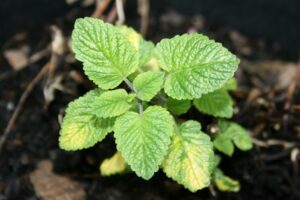
Kudzu is a climbing plant with large fleshy green leaves, clusters of small purple flowers and a beige, starchy root that is commonly used in food and supplements. Its chemical profile is rich in flavonoids and isoflavones, with additional constituents such as coumarin, phytosterols, saponins, proteins and minerals; these constituents are the basis for the plant’s nutritional and bioactive interest.
The root is the most commonly used part in supplements and is valued for its high content of puerarin and other isoflavones.
- Puerarin: an isoflavone flavonoid found in high concentration and often considered a key marker compound.
- Daidzein: an isoflavone associated with antioxidant and anti‑inflammatory activity in research contexts.
- Genistein: an isoflavone present alongside other flavonoids with similar bioactive interest.
- Curmarina: a coumarin‑type constituent reported in the plant’s profile.
- Beta‑sitosterol: a phytosterol present in the plant.
- Saponins: glycosides reported particularly in the root and noted in some studies for liver‑protective activity.
- Proteins: nutritional constituents of the plant material.
- Minerals: inorganic nutrients present in leaves and roots.
Properties & Effects
Kudzu is traditionally known for culinary uses and for supporting wellbeing in contexts related to alcohol and tobacco use; it has also been used in herbal practice for calming and digestive purposes. Research has examined a range of effects linked to its flavonoid-rich profile, though individual responses vary.
Research suggests kudzu extracts may help reduce alcohol craving and support efforts to decrease tobacco use in some people.
- Antioxidant: may support protection against oxidative damage in cells.
- Antiglycation: may support reduction of glycation‑related damage associated with aging.
- Cardioprotective: may support cardiovascular health and help maintain heart function.
- Hepatoprotective: may support liver resilience and protection of liver cells.
- Calming/Relaxing: traditionally used to promote relaxation and ease temporary stress or nervous tension.
- Addiction support: research suggests it may help reduce alcohol craving and limit withdrawal‑related symptoms in some users.
- Anti‑inflammatory: may support reduction of inflammatory responses in certain contexts.
Dosage & How to Use
Dosage and administration depend on the product form and the reason for use.
Follow the manufacturer’s label for specific product dosing and consult a healthcare professional before beginning kudzu, especially for pregnant or breastfeeding persons or anyone with a personal or family history of breast cancer; respect recommended doses and stop use if unexpected effects occur, since preparations and individual responses vary.
Safety, Side Effects & Contraindications
People with certain medical histories should take extra care before using kudzu. Use is not recommended for women with a personal or family history of breast cancer, and pregnant or breastfeeding persons should consult a healthcare professional before use. Reported side effects are rare in the available sources, but individuals can react differently; follow product dosing instructions and stop use if unexpected symptoms occur.
Specific interactions with medications are not detailed in the provided information; therefore consult a healthcare professional when combining kudzu with prescription medicines or when managing chronic health conditions. Cautious use is advised because preparations differ in concentration and individual responses vary.
- Breast cancer history: not recommended for women with a personal or family history of breast cancer.
- Pregnancy and breastfeeding: consult a healthcare professional before use.
Not recommended for women with a personal or family history of breast cancer; pregnant or breastfeeding persons should consult a healthcare professional before use. Consult a healthcare professional before combining kudzu with medications or managing chronic conditions.