
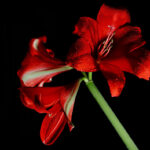
Red Vine
A grapevine used to support venous tone and leg circulation.
Red Vine (Vitis vinifera var. tinctoria) is a grapevine variety distinguished by its red autumn foliage and a high content of polyphenolic compounds. The leaves—sometimes together with grape skins and seeds—contain anthocyanins, flavonoids and tannins; in herbal literature the plant is associated with venotonic, angioprotective and anti-edematous properties and is often cited in relation to peripheral circulation concerns such as heavy or swollen legs and varicose symptoms, while acknowledging that individual responses may vary.
This herb is available as infusion, dried leaf powder, tincture or standardized extract. Typical infusion doses range from about 2–10 g per cup (commonly 1–3 cups per day), and supplement doses are often in the range of 200–400 mg extract or 1–2 g powdered herb per day, depending on formulation. Red Vine is generally well tolerated but can cause mild reactions in some people (hypersensitivity, skin irritation, digestive upset or headache) and is typically contraindicated in pregnancy, lactation, children and in those with a personal or family history of breast cancer; effects and safe dosing vary, so professional advice is recommended.
At a Glance
A grapevine variety notable for its red autumn foliage, Red Vine is used in herbal practice for its polyphenol-rich leaves and grape-derived components.
Leaves are the primary medicinal part and contain anthocyanins, flavonoids and tannins that are associated with venotonic and antioxidant effects, and individual responses may vary.
| Common name | Red Vine, vine, common grapevine |
|---|---|
| Scientific name | Vitis vinifera var. tinctoria |
| Plant family | Vitaceae |
| Origin | Europe |
| Parts used |
|
| Active compounds |
|
| Main benefits |
|
| Available forms |
|
Origin & History
Red Vine is native to Europe and grows widely in Mediterranean climates where wild and cultivated grapevines thrive. As a climbing shrub with palmate, toothed leaves that turn red in autumn, the plant has been managed for both its fruit and its foliage; leaves are often harvested from late summer into autumn when pigmentation and associated compounds are most pronounced.
Red Vine has a long cultural record: it was cultivated in antiquity and features in classical botanical and medical texts where both grapes and vine leaves were used for food, trade and medicinal preparations. In European herbal traditions the leaves, grape skins and seeds have been used in various preparations associated with circulation and protective properties attributed to polyphenol-rich components. Use and preparation differ across regions, and individual responses to the herb may vary.
Composition & Active Compounds
Red Vine is a climbing grapevine with palmate, toothed leaves that turn red in autumn and bear clusters of grapes; the leaves, grape skins and seeds are the main plant parts used in herbal preparations and supplements. The principal chemical constituents are polyphenols: anthocyanins, flavonoids (including rutin and quercetin), tannins, phenolic acids such as chlorogenic acid, oligomeric proanthocyanidins (OPC) in seeds and resveratrol in skins, which together define the plant’s pigment profile and polyphenolic character. Leaves are the primary medicinal part and are commonly used in supplements for their high content of anthocyanins and flavonoids.
- Anthocyanins: pigmented polyphenols responsible for red coloration and contributing antioxidant properties.
- Flavonoids (rutin, quercetin): a family of compounds including rutin and quercetin, associated with antioxidant and anti-inflammatory activity.
- Tannins: astringent polyphenols found in leaves and seeds, part of the plant’s phenolic profile.
- Chlorogenic acid: a phenolic acid present in leaves, contributing to the overall polyphenol content.
- Oligomeric proanthocyanidins (OPC): condensed tannins concentrated in seeds, known as potent polyphenolic constituents.
- Resveratrol: a stilbene polyphenol found in grape skins, noted as part of grape-derived phytochemistry.
Related Herbs
Properties & Effects
Red Vine is traditionally used in herbal medicine for vascular and circulation-related support, with attention focused on the leaves and grape-derived components. Its most consistently reported use is for supporting venous tone and the integrity of small blood vessels, which is linked to reduced sensations of heavy or swollen legs.
- Venotonic / Angioprotective: may support venous tone and help maintain capillary resistance, potentially easing sensations of heaviness in the legs.
- Anti-edematous: may help reduce localized fluid accumulation and swelling.
- Antioxidant: may provide antioxidant support that helps protect cells from oxidative stress.
- Anti-inflammatory: may help lessen mild inflammatory reactions and related discomfort.
Dosage & How to Use
Typical dosing varies by preparation; follow product instructions and professional advice when needed.
| Infusion |
|
|---|---|
| Dietary supplements |
|
Safety, Side Effects & Contraindications
Red Vine is generally well tolerated in most adults but may cause mild adverse effects in some users; reported reactions include hypersensitivity or allergic responses, skin irritation or redness, digestive upset such as nausea or stomach discomfort, and headaches. People with ongoing medical conditions or those taking prescription medicines should consult a healthcare professional before using Red Vine to check for possible interactions or individual risks.
If mild side effects occur, reduce the dose or discontinue use and seek advice if symptoms persist or worsen; stop use immediately and obtain medical attention for signs of a severe allergic reaction. Follow product labeling and professional guidance, and remember that responses can vary between individuals.
- Pregnancy and lactation: Avoid use during pregnancy and while breastfeeding.
- Children and adolescents: Not recommended for use in persons under 18 years of age.
- Breast cancer (personal or family history): Avoid use if there is a personal history of breast cancer or a relevant family history.
Avoid use during pregnancy or breastfeeding, in children under 18, or with a personal or family history of breast cancer; consult a healthcare professional before use, especially if taking medications or having health concerns.