
Ginkgo Biloba
An antioxidant leaf extract traditionally used to support circulation and cognitive function.
Ginkgo Biloba is an ancient living-fossil tree native to Asia whose leaves and seeds contain flavonoids and terpenoid lactones. Leaf extracts are rich in antioxidants and have been examined for potential roles in supporting circulation, cognitive function and neuroprotective effects; these extracts are commonly formulated into standardized supplements and herbal preparations.
Available formats include capsules, tinctures and tablets, with commonly reported extract doses ranging from 120 to 240 mg per day depending on preparation. Ginkgo can interact with anticoagulant medications and is generally not recommended without medical advice for people with bleeding disorders, epilepsy, or for pregnant and breastfeeding individuals; mild side effects such as gastrointestinal discomfort, headache, dizziness or skin reactions have been reported. Uses and effects may vary by individual, and professional guidance is advisable before beginning supplementation.
At a Glance
A member of the family Ginkgoaceae, Ginkgo biloba is a long-lived tree with distinctive fan-shaped leaves; leaf extracts are the primary source of standardized herbal preparations. Leaf extracts contain flavonoids and terpenoid lactones that have been studied for antioxidant activity and for effects on circulation and cognitive function.
| Common name |
|
|---|---|
| Scientific name | Ginkgo biloba |
| Plant family | Ginkgoaceae |
| Origin | Asia (native to southeast China) |
| Parts used |
|
| Active compounds |
|
| Main benefits |
|
| Available forms |
|
Origin & History
Ginkgo biloba is native to southeast China and is the sole surviving member of an ancient botanical lineage often called a living fossil. The species is long-lived and adaptable, with distinctive fan-shaped leaves that make it a common ornamental in urban and cultivated landscapes.
Ginkgo has long held cultural significance in Asia and has been included in traditional Chinese materia medica and ceremonial plantings. Historically, leaves and seeds were collected for use in a range of herbal preparations, and the tree was gradually introduced beyond its native region where it became valued for both cultural and practical uses.
Composition & Active Compounds
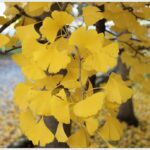
Ginkgo biloba is a tall, long-lived tree with distinctive fan-shaped leaves that turn yellow in autumn; the leaves are the primary herbal material harvested for preparations. Its main chemical constituents include flavonoids, terpenoid lactones (notably ginkgolides and bilobalide) and proanthocyanidins, compounds often associated with antioxidant activity and effects on circulation and neurological tissues.
Leaf extracts, rich in flavonoids, are the part most used in supplements.
- Flavonoids: plant pigments including flavone glycosides that contribute antioxidant activity.
- Terpenoid lactones (ginkgolides, bilobalide): diterpene lactones found in leaves linked to distinctive biological activity.
- Proanthocyanidins: polyphenolic compounds that act as antioxidants.
Related Herbs
Properties & Effects
Ginkgo biloba is traditionally valued for supporting cognitive function and circulation and is widely noted for its antioxidant properties. This description reflects common traditional uses and research observations rather than definitive clinical outcomes.
Antioxidant activity is the most consistently reported property associated with Ginkgo biloba.
- Antioxidant: may support protection against oxidative stress and help protect cells from damage linked to aging.
- Cognitive support: may support memory, concentration and help counter age-related cognitive decline in some people.
- Circulation support: may support healthy blood flow and vascular function, including cerebral circulation.
- Anti-inflammatory: research suggests it may have anti-inflammatory and cell-protective effects in some contexts.
Dosage & How to Use
Typical dosing guidance for Ginkgo biloba extracts is based on standardized preparations and may vary by product.
| Typical dose |
|
|---|
Safety, Side Effects & Contraindications
Ginkgo biloba supplements may affect blood clotting and have been associated with seizure-related concerns in some contexts, so they are not recommended without professional advice for certain groups. People taking anticoagulant or antiplatelet medications, those with bleeding disorders, and anyone preparing for surgery should discuss use with a healthcare provider before starting Ginkgo.
Reported side effects are generally mild when recommended doses are followed and can include gastrointestinal discomfort, headache, dizziness and skin reactions. Because individual responses vary, it is advisable to follow product dosing instructions and seek medical guidance if there are existing health conditions, concurrent medications or any unexpected symptoms.
- Pregnancy and breastfeeding: use is not recommended without medical advice.
- Bleeding disorders: contraindicated in people with hemophilia or similar bleeding conditions.
- Epilepsy: use is not recommended in people with epilepsy.
- Planned surgery: avoid use before surgery unless directed by a clinician.
- Concurrent anticoagulants: do not combine with other anticoagulant or antiplatelet agents without medical supervision.
May interact with anticoagulant medications and is not recommended for people with bleeding disorders, epilepsy, or for pregnant or breastfeeding individuals; consult a healthcare professional before use.