
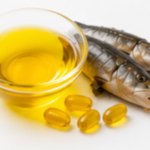
Cod Liver Oil
A nutrient‑dense marine oil traditionally used to support bone and immune health.
Cod Liver Oil is a traditional marine supplement obtained from the liver of Atlantic cod (Gadus morhua). Naturally rich in vitamins A, D and E and long‑chain omega‑3 fatty acids (EPA and DHA), it is supplied as a pale yellow liquid or in capsules and is commonly used to support bone health, immune function, skin condition and cardiovascular wellness.
Recommended amounts vary according to age, nutritional status and product formulation, since vitamin A and D content can differ markedly between brands. Not suitable for people with severe fish allergy, hypercalcemia, those on anticoagulant therapy, or pregnant and breastfeeding women without medical advice; uses and effects may vary by individual.
At a Glance
Extracted from the livers of Atlantic cod, this marine-derived oil provides fat-soluble vitamins and long-chain omega-3 fatty acids.
It is naturally rich in vitamins A, D and E and is supplied as a pale yellow liquid or in capsules. Concentration of vitamins and omega-3s varies by product, so recommended amounts depend on age and formulation.
| Common name |
|
|---|---|
| Scientific name | Gadus morhua |
| Classification | Gadidae |
| Origin |
|
| Parts used | Liver (oil) |
| Active compounds |
|
| Main benefits |
|
| Available forms |
|
Origin & History
Cod liver oil is obtained from the livers of Atlantic cod (Gadus morhua), a cold‑water fish found across the North Atlantic, the North Sea and the Baltic Sea. Traditional and modern extraction methods produce a pale yellow oil that has been traded and consumed in coastal communities for centuries.
Viking sailors and coastal populations historically used cod liver oil as a food source, tonic and remedy during long voyages and harsh winters. Over the 19th and 20th centuries it became widely used in northern Europe and beyond, supplied to children and adults alike and promoted for its high levels of fat‑soluble vitamins and long‑chain omega‑3 fatty acids.
Composition & Active Compounds
The oil is a thick, pale yellow, translucent liquid with a characteristic fishy odor; it is also supplied in purified, odor-reduced liquids and capsules. Its main chemical constituents are fat‑soluble vitamins (A, D and E) and long‑chain omega‑3 polyunsaturated fatty acids, especially EPA and DHA, with smaller amounts of ALA.
Vitamin D is a prominent component of cod liver oil and is commonly highlighted for its role in calcium and phosphorus metabolism relevant to bone health.
- Vitamin D: fat‑soluble vitamin involved in calcium and phosphorus metabolism and bone maintenance.
- Vitamin A: fat‑soluble retinol important for cell renewal and visual function.
- Vitamin E: fat‑soluble antioxidant that helps protect lipids from oxidative damage.
- Omega‑3 (EPA, DHA, ALA): long‑chain polyunsaturated fatty acids; EPA and DHA are the main marine omega‑3s, with ALA present in smaller amounts.
Related Herbs



Properties & Effects
Cod liver oil has long been used as a traditional marine supplement and fortifying food, valued in many cultures for supporting growth, skeletal health and general resilience. Its historical and contemporary uses focus on maintenance of bones, support for daily wellbeing and symptom relief across age groups.
Bone health and normal growth are the most well‑documented traditional uses of cod liver oil.
- Growth and development: may support normal growth in children and adolescents.
- Bone health: may support maintenance of healthy bones across the lifespan.
- Joint comfort: may help reduce discomfort in joints for some people.
- Dental health: may support healthy teeth and mineralization.
- Eye health: may contribute to maintenance of normal visual function with age.
- Skin protection: may help maintain skin condition and protect against signs of premature aging.
- Cardiovascular protection: research suggests it may support heart and circulatory health.
- Cognitive support: research suggests it may help reduce age‑related cognitive decline in some contexts.
- Immune support: may support immune function during seasonal changes.
- Emotional wellbeing: research suggests it may help support mood in people with low omega‑3 intake.
Dosage & How to Use
Dosage varies by age, nutritional status and product formulation.
| Vitamin D (healthy from 1 year) | 15 µg |
|---|---|
| Vitamin A — men | 750 µg |
| Vitamin A — women | 650 µg |
| Vitamin A — babies and children | 250–750 µg |
| General guidance |
|
Safety, Side Effects & Contraindications
Cod liver oil is contraindicated for people with severe fish allergy, individuals with hypercalcemia, those receiving anticoagulant therapy, and women who are pregnant or breastfeeding; these groups should not use it without medical supervision. Children, particularly very young children, and people taking other supplements or medications that contain vitamin A or vitamin D should seek healthcare advice before use because product vitamin content varies.
When taken as directed, cod liver oil is generally well tolerated but can occasionally cause mild digestive upset, and liquid forms may produce unpleasant breath. Products should be stored refrigerated, treatments are commonly advised not to exceed one month, and the oil should not replace a varied diet; consult a healthcare professional for guidance on interactions and appropriate dosing.
- Severe fish allergy: contraindicated for people with a known serious allergy to fish.
- Hypercalcemia: contraindicated for people with elevated blood calcium levels.
- Anticoagulant therapy: contraindicated for people on blood‑thinning medication without medical advice.
- Pregnancy and breastfeeding: contraindicated unless advised by a healthcare professional.
- Children and concurrent vitamin supplements: medical advice recommended for young children and for users taking other supplements or medicines containing vitamins A or D.
- Storage and duration: keep refrigerated and generally avoid treatments longer than one month unless directed by a professional.
Contains high levels of vitamins A and D and is not suitable for people with severe fish allergy, hypercalcemia, or those on anticoagulant therapy; pregnant or breastfeeding people should seek medical advice before use. Consult a healthcare professional before starting supplementation.