Annatto
Seed pigment extract used as a natural colorant and skin‑preparation for tanning.
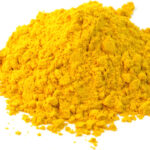
Annatto (Bixa orellana) is a tropical shrub native to South America whose seeds produce distinctive red‑orange pigments used as a natural colorant and in cosmetic preparations. The seed pigments — chiefly carotenoids such as bixin, norbixin and beta‑carotene, together with vitamin E — have been investigated for antioxidant and anti‑inflammatory activity and are incorporated in formulations intended to prepare skin for tanning as well as in foods and industrial colorings.
The seeds are the primary part used and are processed into oily or aqueous extracts, emulsions and supplement formats for diverse applications. Research on pigment‑based preparations has used concentrations that can vary (reported study ranges are around 1200–1800 mg per day), but commercial products differ in composition; annatto extracts are generally permitted in consumer products with no established contraindications, and individual responses may vary. Topical or oral annatto preparations should be considered complementary to standard sun‑protection measures and not a substitute for them.
At a Glance
A small tropical tree native to the Amazon basin, annatto is valued for the red-orange pigments concentrated in its seeds.
These pigments (notably bixin, norbixin and beta-carotene) are used as natural colorants and have been studied for antioxidant and anti-inflammatory activity.
Seeds are processed into oily and aqueous extracts, emulsions and supplement formats for food, cosmetic and topical applications, and individual effects may vary.
| Common name |
|
|---|---|
| Scientific name | Bixa orellana |
| Plant family | Bixaceae |
| Origin | Tropical Americas (Amazon basin) |
| Parts used | Seeds |
| Active compounds |
|
| Main benefits |
|
| Available forms |
|
Origin & History
Annatto (Bixa orellana) is a small tree native to the tropical Americas, believed to originate in the Amazon basin. It grows in warm, humid climates with high sunlight and is not frost‑tolerant; cultivation has spread across Central America, the Caribbean, parts of Africa and Asia, with Brazil, Peru and Mexico among the main producers.
Indigenous peoples of the region were the first to harvest the seeds for culinary, cosmetic and medicinal uses, using the red‑orange pigments as a spice and natural colorant and applying them to skin. Annatto seeds were traditionally used as body paint and food dye and were incorporated into topical and internal remedies in many native cultures. Over time the pigment became a widely traded colorant (listed as E160b) and remains used today in foods, cosmetics and formulations intended to prepare the skin for tanning, while historical records note a range of traditional medicinal applications.
Composition & Active Compounds
Annatto is a small evergreen tree that produces ovoid seed capsules filled with red‑orange, cone‑shaped seeds; these seeds are the main source of the plant’s pigments. The seed chemistry is dominated by carotenoid pigments (notably bixin and norbixin) alongside beta‑carotene and other carotenoids, with vitamin E also present; these constituents are the basis for annatto’s coloring and its reported antioxidant and anti‑inflammatory activity.
The seeds are the primary part used in supplements and bixin is the principal pigment associated with annatto’s color and activity.
- Bixin: principal oil‑soluble red‑orange pigment in seeds; contributes to color and antioxidant activity.
- Norbixin: water‑soluble carotenoid related to bixin; contributes to coloration and bioactivity.
- Beta‑carotene: provitamin A carotenoid present among the pigment mix; contributes to color and antioxidant potential.
- Lutein: xanthophyll carotenoid present in seed pigment profile.
- Cryptoxanthin: carotenoid found among minor pigment components.
- Zeaxanthin: carotenoid component occurring with other pigments.
- Lycopene derivatives: breakdown or related products of lycopene detected in extracts.
- Vitamin E: tocopherols detected in seeds; contributes to antioxidant properties.
Properties & Effects
Annatto is traditionally known for its vividly colored seeds that have been used as a natural dye and in topical preparations related to skin care and tanning. Its uses include culinary coloring, cosmetic applications and traditional remedies across cultures in its native range.
Annatto is most noted for antioxidant activity that may help limit oxidative damage.
- Antioxidant: Research suggests annatto pigments may support protection against oxidative damage.
- Anti-inflammatory: Studies indicate annatto extracts may help reduce inflammatory responses.
- Tanning preparation: Annatto preparations have been used to prepare skin for sun exposure and may support skin protection during tanning.
Dosage & How to Use
Reported study-based dosing for annatto pigment preparations varies by product and purpose.
| Preparation for tanning |
|
|---|
Safety, Side Effects & Contraindications
Evaluations of annatto pigments have not identified specific contraindications and no adverse effects have been reported in the referenced assessments; nevertheless, individual responses can vary. People who are pregnant or breastfeeding, have chronic health conditions, or take prescription medicines should consult a healthcare professional before using concentrated annatto extracts or dietary supplements.
No interactions with medications are documented in the provided facts, and no routine side effects are reported to date. Annatto supplements and topical preparations are generally presented as complementary measures for skin care and tanning preparation and do not replace standard sun‑protection practices such as sunscreen, limiting sun exposure during peak hours, and wearing protective clothing; seek medical advice if unexpected reactions occur.
Consult a healthcare professional before use, especially if pregnant, breastfeeding, taking medications, or having chronic health conditions.