
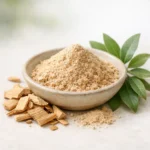
White Sandalwood
A fragrant heartwood prized for antiseptic and skin-supporting uses.
White Sandalwood is an aromatic woody plant in the Santalaceae family, prized for its pale heartwood and aromatic compounds. Its wood and resin are used in multiple forms — powdered material, distilled essential oil, hydrosol and incense — and have a long history of use as a source of fragrance and traditional remedies.
Native to southern India, eastern Indonesia and parts of Australia, the plant yields an oil rich in sesquiterpenols, notably α- and β-santalol, and is associated with researched antimicrobial and anti-inflammatory activities in topical models. The species is highly valued and has faced pressure from overexploitation; available formats include essential oil, powdered extract and resin, and uses and effects may vary by individual, so appropriate safety precautions should be observed for concentrated preparations.
At a Glance
Known for its pale heartwood and sweet woody aroma, White Sandalwood grows as a hemiparasitic tree in dry tropical regions and provides fragrant wood and resin used for distillation and incense.
Wood and resin are processed into essential oil, powder, hydrosol and incense, and the oil is rich in sesquiterpenols including α- and β-santalol.
| Common name |
|
|---|---|
| Scientific name | Santalum album |
| Plant family | Santalaceae |
| Origin |
|
| Parts used |
|
| Active compounds |
|
| Main benefits |
|
| Available forms |
|
Origin & History
White Sandalwood is native to the dry tropical regions of southern India, parts of eastern Indonesia and northern Australia, where it grows as a hemiparasitic woody plant in sandy, rocky soils and dry forests. The species typically reaches 4–9 metres in height and develops the fragrant pale heartwood when mature; trees are often harvested only after many years because oil content and scent increase with age.
It has been used for millennia in South Asian and East Asian ritual and funerary practices, prized for its fragrance and role in incense and embalming. The wood and resin have long been traded as high-value aromatic materials and feature extensively in traditional literature and religious culture; modern demand and historical overharvesting have placed wild populations under pressure in some regions.
Composition & Active Compounds
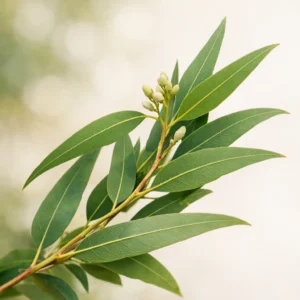
White Sandalwood is a small woody plant reaching about 4–9 metres with smooth dark brown bark and a pale, fragrant heartwood; leaves are thin and flowers are small and red, while the oil is produced from aged duramen and roots. The distilled oil contains over 200 phytochemicals, dominated by sesquiterpenols, sesquiterpenes and various carboxylic acids that together create the characteristic sweet, woody aroma and contribute to the plant’s reported biological activities. α- and β-santalol are the principal sesquiterpenols and the heartwood is the part most used for essential oil and powdered supplements.
- Sesquiterpenols (α- and β-santalol): major fragrant constituents linked to aroma and reported topical bioactivity.
- Sesquiterpenes (santalenes): hydrocarbon sesquiterpenes contributing to overall oil profile and scent complexity.
- Carboxylic acids: non-volatile constituents present in wood and extracts.

Properties & Effects
White Sandalwood is traditionally known for its fragrant heartwood and use in perfumery, incense and topical preparations; it has a long history of ritual and therapeutic use in the regions where it grows. Contemporary research and traditional sources highlight several skin-related and antimicrobial properties associated with preparations from the wood and oil.
Research most consistently highlights urinary antiseptic activity as a notable property.
- Urinary antiseptic: research suggests it may support antiseptic activity against certain microbes in the urinary tract.
- Cutaneous antitumoral: studies suggest it may support antitumoral effects in skin models when applied topically.
- Cutaneous anti-inflammatory: research suggests it may support reduction of skin inflammation with topical use.
Dosage & How to Use
Dosage varies by formulation; the following examples from essential oil preparations illustrate common guidance.
| Inhalation | 2 drops on a handkerchief |
|---|---|
| Diffusion | 4 to 5 drops in a diffuser |
| Topical (skin) | 10% concentration in a suitable carrier (vegetable oil) |
Safety, Side Effects & Contraindications
Certain groups should avoid concentrated White Sandalwood preparations and specific formats; the essential oil is explicitly contraindicated for pregnant and breastfeeding people, young children and some bleeding-risk conditions, while powdered forms may be unsuitable for people with renal disease. Concentrated products can cause adverse effects in sensitive individuals, so formulations and exposures should be selected with caution.
Known side effects include allergic or irritation reactions from topical or aromatic concentrated forms; interactions are possible with medications that affect blood clotting, so concurrent use with anticoagulants is discouraged. Individuals with pre-existing health conditions or who are taking medications should consult a qualified healthcare professional before using concentrated sandalwood preparations, and always follow recommended dilution and dosing guidance.
- Pregnancy and breastfeeding: The essential oil is contraindicated for pregnant and lactating people.
- Children: Essential oil is not recommended for children under 6 years of age.
- Bleeding disorders and anticoagulants: People with hemophilia or taking anticoagulant medication should avoid the essential oil due to bleeding risk.
- Renal disease: Powdered white sandalwood is not recommended for people with kidney disease.
- Allergic sensitivity: People sensitive to allergic reactions should avoid concentrated preparations.
Essential oil is contraindicated in pregnancy, breastfeeding, young children and in people with bleeding disorders or taking anticoagulants; powdered forms may be unsuitable for kidney disease — consult a healthcare professional before using concentrated sandalwood products.