
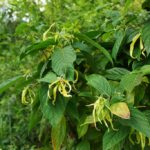
Ylang Ylang
Called "the flower of flowers" in Indonesia, ylang ylang is a tropical tree grown for fragrant flowers whose distilled oil is used in perfumery and aromatherapy.
Ylang Ylang (Cananga odorata) is a tropical tree prized for its highly fragrant flowers, whose steam‑distilled essential oil is a staple of perfumery and aromatherapy. The oil is characterized by a rich, floral, jasmine‑like scent and is traditionally used for its calming and harmonizing aromatic qualities.
Typical applications include inhalation or cold diffusion, topical dilution for massage, and small additions to hair‑care preparations to help balance sebum and support scalp hygiene; principal constituents include linalool, sesquiterpenes and terpene esters. Safety considerations apply—ylang ylang oil is not generally recommended during pregnancy, for young children, or for people with low blood pressure or pronounced fragrance sensitivities—and uses and effects may vary by individual.
At a Glance
A tropical tree native to Southeast Asia, ylang ylang is cultivated for its highly fragrant flowers and the steam‑distilled essential oil used in perfumery and aromatherapy. The oil is noted for a rich floral aroma and contains constituents such as linalool, various sesquiterpenes and terpene esters.
Common uses include inhalation or cold diffusion for aromatic calming, topical dilution for massage and hair‑care additions to help balance scalp sebum; individual responses and safety considerations vary.
| Common name |
|
|---|---|
| Scientific name | Cananga odorata |
| Plant family | Annonaceae |
| Origin | Southeast Asia |
| Parts used | Flowers |
| Active compounds |
|
| Main benefits |
|
| Available forms |
|
Origin & History
Native to Southeast Asia, ylang ylang (Cananga odorata) thrives in warm, sheltered tropical lowlands and is sensitive to strong winds. In natural conditions it can reach up to 30 meters in height, though cultivated trees are commonly pruned to about three meters to maximise accessible flower harvests; the flowers change from white to green to yellow as they mature and are steam‑distilled for their aromatic oil.
In the Philippines the flowers were traditionally macerated in coconut oil to produce boori‑boori, an ointment used for hair and skin care. From the 1960s the species was expanded into international cultivation for perfumery and aromatherapy, with major production in island and tropical regions such as the Comoros, Madagascar, Mayotte, the Philippines, Ivory Coast and parts of Central America; historical and cultural uses emphasize fragrance and cosmetic applications rather than medicinal guarantees.
Composition & Active Compounds
The ylang ylang tree has a single smooth, greyish trunk with large dark green leaves and very fragrant flowers that mature from white to green to yellow; the flowers are steam‑distilled to yield the essential oil. The oil is composed mainly of volatile constituents—notably linalool, a range of sesquiterpenes and several terpene esters plus aromatic phenols—which determine its characteristic floral aroma and functional properties in perfumery and topical products. The flowers are the primary plant part used to produce the essential oil commonly found in supplements and cosmetics.
- Linalool: fragrant monoterpene alcohol prominent in the essential oil
- Caryophyllene: sesquiterpene hydrocarbon contributing warm, woody notes
- Cadinene: sesquiterpene hydrocarbon adding aromatic depth
- Farnesene: sesquiterpene hydrocarbon involved in aroma complexity
- Benzyl benzoate: aromatic ester present in the oil
- Geraniol: monoterpene alcohol with a floral scent
- Farnesol: sesquiterpene alcohol with a floral‑waxy character
- Benzyl acetate: ester contributing sweet floral notes
- Geranyl acetate: ester contributing fruity‑floral notes
- Methyl salicylate: aromatic ester with a characteristic balsamic note
- Aromatic phenols: phenolic compounds that influence scent and oil chemistry
Properties & Effects
Ylang ylang is traditionally valued for its intensely fragrant flowers and the essential oil distilled from them, used in aromatherapy, perfumery and topical cosmetic blends. Research suggests that inhalation of ylang ylang oil may reduce feelings of stress and anxiety.
- Anxiolytic: Research suggests inhalation may reduce feelings of stress or anxiety and promote a sense of calm.
- Muscle relaxant / Antispasmodic: It may support physical relaxation and help relieve mild muscle tension when applied topically in diluted form or used during massage.
- Alertness and cognitive balance: Inhalation may help improve attention and a balanced state of alertness while also promoting calm.
- Scalp purifier and hydrator: Topical use in hair preparations may help balance scalp sebum and support hair hydration and cleanliness.
Dosage & How to Use
Follow recommended small doses and proper dilution when using ylang ylang essential oil.
| Anxiolytic |
|
|---|---|
| Spasmolytic / Muscle relaxation |
|
| Cognitive stimulation |
|
| Hair hydration and purification |
|
Safety, Side Effects & Contraindications
Certain groups are advised to avoid ylang ylang essential oil or to use it only under professional supervision: the facts state it is not recommended during pregnancy, not recommended for children under six years, and should be avoided by people with low blood pressure because the oil can have mild muscle‑relaxing and slightly hypotensive effects. Individuals with strong histories of allergic reactions or sensitive skin should also exercise caution due to the potential for skin irritation with topical use.
No serious systemic side effects are widely reported in the provided facts, but individual responses vary and topical irritation can occur in susceptible people. Because of the oil’s tendency to affect muscle relaxation and blood pressure modestly, avoid use in cases of hypotension; consult a healthcare professional before combining with any treatments that affect blood pressure or if there is uncertainty about suitability.
- Pregnancy: Not recommended for use during pregnancy.
- Children under 6 years: Not recommended for use in young children.
- Hypotension: Avoid use if low blood pressure is present due to mild hypotensive effects.
- Allergy / skin sensitivity: Not recommended for people with strong allergic histories; may cause skin irritation.
Avoid use during pregnancy, in children under six, and in people with low blood pressure or strong fragrance allergies; consult a healthcare professional before use.