
Vitamin E
A lipid‑soluble antioxidant that supports protection of cell membranes.
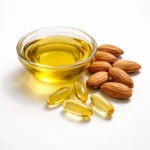
Vitamin E is a family of fat‑soluble compounds called tocopherols, with α‑tocopherol recognized as the biologically most active form. Frequently described as a primary antioxidant in lipid environments, it helps protect polyunsaturated fatty acids in cell membranes from oxidative damage and is absorbed most effectively when taken with dietary fats.
Present in both plant and animal foods — notably wheat germ oil, sunflower seeds, vegetable oils, nuts and leafy greens — vitamin E is also available in oily supplements such as capsules and softgels. Uses and effects vary by individual; absorption, requirements and safety depend on age, nutritional status, digestive function and concurrent medications, so choices about supplementation should be made with those factors in mind.
At a Glance
Vitamin E refers to a group of fat‑soluble tocopherols that act primarily in lipid environments to protect cell membranes and polyunsaturated fatty acids from oxidative damage. Alpha‑tocopherol is the form with the highest biological activity in humans. It occurs naturally in a range of plant and animal foods and is commonly supplied as oily supplements and topical preparations.
| Common name |
|
|---|---|
| Scientific name | Tocopherol |
| Origin | Plants and animals |
| Parts used |
|
| Active compounds |
|
| Main benefits |
|
| Available forms |
|
Origin & History
Vitamin E occurs widely in plant and animal sources and concentrates in oil‑rich seeds, cereal germ, vegetable oils, nuts, leafy greens and certain animal fats. It is present in diverse habitats where tocopherol‑rich tissues develop and is therefore a common dietary component across many food traditions.
Its recognition emerged from experiments that linked specific dietary lipids to healthy fetal development and from the isolation of a fat‑soluble factor from wheat germ oil known as tocoferol. Early findings associating wheat germ and germ oil with reproductive health led to the identification and naming of the compound now called vitamin E. Since then it has been used both as a supplemental nutrient and in topical and industrial applications to protect oils from oxidation and as an ingredient in cosmetic formulations.
Composition & Active Compounds
Vitamin E belongs to the tocopherol family of fat‑soluble compounds and is typically encountered in oily, lipid‑rich extracts such as seed oils and germ oil; pure tocopherols are viscous and soluble only in fats. The group includes several structurally related molecules that differ in methylation patterns on the chromanol ring, and these differences influence biological activity and antioxidant behavior. Alpha‑tocopherol is the form with the highest biological activity in humans.
- Alpha-tocopherol: the most biologically active tocopherol in humans, commonly targeted in supplements.
- Beta-tocopherol: a naturally occurring tocopherol with lower activity than alpha.
- Gamma-tocopherol: a common dietary form found in many plant oils with distinct antioxidant properties.
- Delta-tocopherol: a tocopherol variant with differing potency and distribution in foods.


Properties & Effects
Vitamin E is traditionally recognized as a lipid‑soluble nutrient associated with protection of fats and cell structures from oxidative stress, commonly obtained from oil‑rich foods and used in dietary supplements. Research suggests its most well‑documented role is antioxidant protection in lipid environments.
- Antioxidant: it may support protection of lipids and cellular components from oxidative damage.
- Immune support: it may support immune cell function and aspects of antibody production.
- Membrane and lipid protection: it may help preserve the integrity of cell membranes and long‑chain polyunsaturated fatty acids.
Dosage & How to Use
Daily intake recommendations vary by age, sex and physiological state; the values below are given as daily amounts cited in the source facts.
| Men | 13 mg/day |
|---|---|
| Women | 11 mg/day |
| Pregnant and lactating women | 12 mg/day |
| Children 1 to <3 years | 6 mg/day |
| Children 3 to <10 years | 9 mg/day |
| Children 10 to <18 years |
|
| Infants 7 to 11 months | 5 mg/day |
| Studies (protective level) | 100 IU/day (66.66 mg) |
| Regulatory recommendation | Daily intake ≤150 mg/day |
Safety, Side Effects & Contraindications
People taking anticoagulant medications, those with a history of stroke or digestive ulcers, and individuals who are pregnant or breastfeeding should exercise caution with vitamin E supplements and seek advice from a healthcare professional. Vitamin E can interact with blood‑thinning therapies and may increase bleeding risk, so decisions about supplementation should consider current medications and medical history.
Adverse effects are uncommon at dietary levels but have been reported with high supplemental doses; these can include fatigue, digestive upset and emotional changes. The main safety concern at elevated intake is an increased risk of hemorrhage, and susceptibility varies by age, nutritional status and conditions that impair fat absorption.
- Anticoagulant therapy: use not recommended due to increased bleeding risk with blood‑thinning medications.
- History of stroke: use not recommended for people who have had a stroke.
- Digestive ulcer: use not recommended for those with an active digestive ulcer.
- Pregnancy and breastfeeding: consult a healthcare professional before taking supplements.
May interact with anticoagulant medications and is not recommended for people with a history of stroke or digestive ulcers; consult a healthcare professional before use, especially if pregnant or breastfeeding.