Biotin
A water‑soluble B vitamin that supports healthy hair, skin and nails.
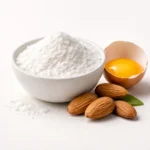
Biotin (vitamin B7) is a water‑soluble B vitamin that acts as a coenzyme in several metabolic pathways, including gluconeogenesis, fatty‑acid synthesis and amino‑acid metabolism. It supports the normal structure and function of skin, hair and nails and is supplied by dietary sources such as liver, eggs, whole grains, nuts and yeast, as well as by synthesis from gut microbiota.
Supplemental biotin is used to prevent or correct deficiency and to support brittle nails, thinning hair and oily or acne‑prone skin, but individual responses vary. Biotin is typically excreted in urine and is considered low risk at usual dietary levels; however, higher doses and use during pregnancy or lactation should be discussed with a healthcare professional, and certain medications or rare genetic conditions can affect biotin status.
At a Glance
A water‑soluble B vitamin that functions as a coenzyme in carboxylation reactions essential to carbohydrate, lipid and amino‑acid metabolism.
It supports normal structure and function of skin, hair and nails and is supplied by dietary sources and by synthesis from gut microbiota. Uses and effects vary by individual and depend on dose, baseline status and possible interactions with medications or genetic conditions.
| Common name |
|
|---|---|
| Scientific name |
|
| Classification | Water‑soluble vitamin, carboxyl‑group carrier coenzyme |
| Origin | Endogenous (microbiota) and dietary sources |
| Parts used | Dietary sources (liver, egg yolk, yeast, whole grains) |
| Active compounds | D‑Biotin |
| Main benefits |
|
| Available forms |
|
Origin & History
Biotin is a water‑soluble B vitamin obtained from dietary sources and produced by certain microbes. It occurs in foods such as liver, egg yolk, yeast, whole grains, nuts and some mushrooms, and certain bacteria, yeasts and algae can synthesise it; the human gut microbiota also contributes to endogenous biotin supply.
The vitamin was identified after a syndrome linked to excessive raw egg‑white consumption was traced to an inhibitor of biotin absorption, and the condition responded to cooking the eggs and providing brewer’s yeast. Fermented foods and organ meats have been traditional sources in many cultures, and the isolated vitamin has since been included in supplements and topical or oral preparations aimed at supporting hair, skin and nail condition; effects and requirements vary by individual.
Composition & Active Compounds
Biotin is a water‑soluble vitamin that exists in multiple chemical forms, with the naturally occurring isomer being responsible for biological activity; it is commonly supplied by foods and by synthesis from gut microbiota. As a coenzyme for several carboxylase enzymes, the active compound(s) are central to gluconeogenesis, fatty‑acid synthesis and certain amino‑acid metabolic pathways, which explains their relevance to cellular and tissue maintenance.
D‑Biotin is the biologically active form of biotin and is the compound found in foods and used in supplements.
- D‑Biotin: naturally occurring active form of biotin, coenzyme for carboxylases involved in macronutrient metabolism
Related Herbs
Properties & Effects
Biotin is traditionally known as a water‑soluble B vitamin associated with cellular metabolism and the maintenance of skin, hair and nails. It is best documented for supporting normal macronutrient metabolism and the body’s ability to obtain energy from food.
- Metabolic support: may support normal carbohydrate, fat and amino‑acid metabolism and energy release from food.
- Skin health: may support normal skin condition and is often used for oily or acne‑prone skin.
- Hair and nail strength: may support the structure and resilience of hair and nails and help with brittleness.
- Nervous, digestive and cardiovascular support: may contribute to the normal functioning of the nervous system, digestive processes and cardiovascular functions.
- Deficiency prevention: traditionally used to prevent or correct biotin deficiency and related signs such as skin and hair changes in susceptible individuals.
Dosage & How to Use
Follow age‑appropriate dietary intake for maintenance and use higher therapeutic doses only under clinical advice.
| Recommended intake |
|
|---|---|
| Deficiency treatment |
|
Safety, Side Effects & Contraindications
Biotin is generally well tolerated at dietary levels and no consistent adverse effects have been reported; however, supplemental use should be considered carefully in some circumstances. People who are pregnant or breastfeeding are typically advised not to take supplemental biotin unless a healthcare professional recommends it, and individuals taking certain medications or with rare metabolic disorders should seek medical advice before using supplements.
No clear side effects have been identified to date and excess biotin is primarily excreted in urine, but interactions and individual responses can vary; certain antiepileptic medications may reduce intestinal biotin absorption, and inherited enzyme deficiencies affecting biotin metabolism require specialized medical management.
- Pregnancy and lactation: preferred to avoid supplemental biotin during pregnancy or breastfeeding unless advised by a healthcare professional.
- Medication interactions: some antiepileptic drugs may reduce intestinal absorption of biotin and could affect biotin status.
Consult a healthcare professional before using biotin supplements; avoid use during pregnancy or breastfeeding unless advised, and discuss potential interactions with antiepileptic medications or rare metabolic conditions affecting biotin metabolism.